


Key Features
-
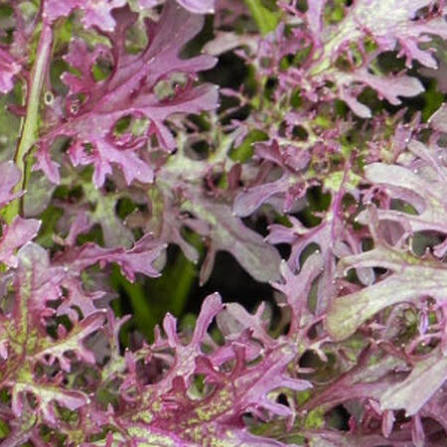
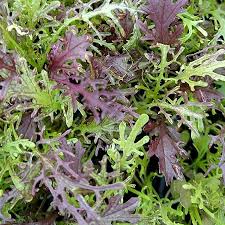
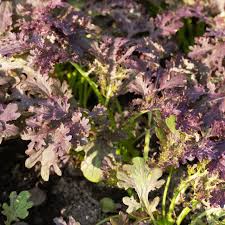
Distinctive Frilly Green Leaves: Frizzy Lizzy Mustard Greens is an attractive leafy mustard variety known for its deeply curled, finely divided, and ruffled green foliage, creating a decorative appearance in vegetable beds and edible gardens.
-
Bold Peppery Mustard Flavor: Produces tender edible leaves with a characteristic mustard flavor. Young leaves offer a lively peppery taste, while mature foliage may develop stronger pungency depending on temperature and growing conditions.
-
Fast-Growing Cool-Season Vegetable: Develops harvestable leafy greens relatively quickly during favorable spring and autumn conditions, making it suitable for gardeners who enjoy growing fresh vegetables throughout cooler periods.
-
Versatile Culinary Greens: The finely curled leaves can be used in fresh salad mixtures, sandwiches, stir-fries, soups, and lightly sautéed vegetable dishes, providing distinctive texture and flavor.
-
Attractive Compact Leafy Growth: Forms a leafy rosette with textured foliage, adding ornamental appeal to raised beds, vegetable borders, containers, and mixed edible landscapes.
Growing Benefits
-
Fresh Homegrown Salad Greens: Harvest young, tender leaves for fresh salads and mixed greens, adding a distinctive peppery flavor and decorative appearance to everyday meals.
-
Quick Harvest Opportunities: Begin harvesting baby leaves within a few weeks under favorable conditions, providing fresh vegetables without waiting for long-season fruiting crops to mature.
-
Cool-Weather Garden Production: Grow Frizzy Lizzy Mustard Greens during spring and fall, when moderate temperatures encourage tender foliage and help reduce premature bolting.
-
Container and Raised Bed Growing: Cultivate plants in containers, raised beds, or compact vegetable plots, making efficient use of smaller gardening spaces while maintaining adequate sunlight and moisture.
-
Succession Planting Potential: Sow small batches every two to three weeks during suitable cool-weather periods to extend harvesting opportunities and maintain a steady supply of fresh mustard greens.
Seed Specifications
-
Common Name: Frizzy Lizzy Mustard Greens, Frizzy Lizzy Leaf Mustard
-
Botanical Name: Brassica juncea
-
Plant Family: Brassicaceae
-
Type: Curly Leaf Mustard Greens
-
Plant Type: Cool-season leafy vegetable, commonly cultivated as an annual
-
Variety: Frizzy Lizzy
-
Colors: Bright to medium green, deeply curled foliage
-
Height: Approximately 8–16 inches during leafy growth, depending on maturity and conditions
-
Spread: Approximately 8–12 inches, depending on spacing and plant development
-
Sunlight: Full sun to partial shade, preferably 4–6 or more hours of direct sunlight daily
-
Soil: Fertile, well-draining, moisture-retentive loamy soil enriched with organic matter
-
Soil pH: Approximately 6.0–7.5
-
Water: Consistent moderate watering, generally around 1 inch weekly, adjusted for rainfall and temperature
-
Germination Time: Approximately 4–10 days under favorable conditions
-
Germination Temperature: Approximately 55–75°F
-
Sowing Depth: Approximately ¼ inch
-
Spacing: Approximately 6–12 inches between mature plants; closer spacing for baby greens
-
Growing Zones: Suitable as a seasonal vegetable across many USDA growing zones when planted during favorable temperatures
-
Planting Season: Early spring and late summer through autumn; winter cultivation may be possible in mild climates
-
Flowering/Maturity: Baby leaves may be harvested in approximately 20–30 days; mature leaves generally develop within 40–60 days, depending on growing conditions
-
Growth Habit: Compact to moderately spreading rosette of deeply curled leaves
-
Uses: Fresh salads, mixed greens, sandwiches, stir-fries, soups, sautéed vegetables, and ornamental edible gardens
-
Seed Count Per Pack: 100 pcs
Growing Tips
-
Plant During Mild Weather: Sow Frizzy Lizzy Mustard Greens during early spring or autumn, when cooler temperatures support tender leaf development and reduce the likelihood of premature flowering.
-
Harvest Tender Leaves Frequently: Pick young outer leaves while leaving the central growing point intact. This may encourage additional leaf development and extend harvesting under favorable growing conditions.
-
Maintain Consistent Soil Moisture: Water regularly to prevent drought stress, which can toughen leaves and encourage stronger mustard flavors. Avoid waterlogged soil that may damage developing roots.
-
Provide Moderate Soil Fertility: Incorporate mature compost before planting to support leafy growth. Apply additional balanced vegetable fertilizer only when necessary, avoiding excessive nutrient applications.
-
Protect Against Leafy Vegetable Pests: Inspect foliage regularly for flea beetles, aphids, and cabbage worms. Use lightweight insect netting or floating row covers when appropriate to protect tender leaves.
-
Practice Succession Sowing: Plant small batches every two to three weeks during favorable growing periods to maintain a more consistent supply of fresh, curly mustard greens.
Seed Storage
-
Cool Storage: Store Frizzy Lizzy Mustard Greens seeds in a cool, stable environment, preferably around 40–50°F when suitable dry storage conditions are available.
-
Dry Conditions: Keep thoroughly dried seeds in airtight containers or moisture-resistant seed packets to reduce humidity exposure and preserve germination potential.
-
Moisture Protection: Protect stored seeds from condensation, direct water exposure, and excessively humid storage environments that may encourage fungal growth.
-
Seed Freshness: Label seed packets with the variety name and storage date. Use older seed lots first and test germination when seeds have been stored for extended periods.
-
Long-Term Preservation: Maintain properly dried seeds in sealed, moisture-resistant containers under consistently cool conditions. Allow refrigerated containers to reach room temperature before opening to prevent condensation.
Unique Facts About the Seeds
-
Brassica Family Heritage: Frizzy Lizzy Mustard Greens belongs to the Brassicaceae family, which includes cabbage, broccoli, kale, turnips, and numerous other edible leafy vegetables.
-
Naturally Curled Foliage: The distinctive frilly leaf appearance results from the plant's inherited leaf shape and growth characteristics, creating a textured appearance without requiring special pruning or training.
-
Mustard Flavor Compounds: The peppery taste of mustard greens is associated with naturally occurring glucosinolates and their breakdown products, which contribute to the characteristic flavor of many brassica vegetables.
-
Traditional Leaf Mustard Cultivation: Leaf mustard varieties have been cultivated in different parts of Asia for generations and are commonly used fresh, cooked, pickled, or fermented.
-
Natural Seed Production: When allowed to flower, mustard plants develop small yellow blossoms followed by elongated seed pods containing rounded seeds that can be collected after drying.