


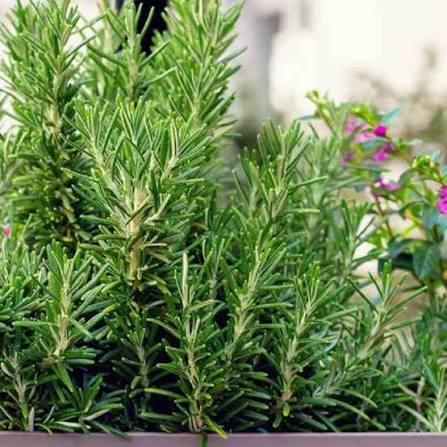
Grow forage crops from heirloom non-GMO seeds for useful green plant growth in suitable agricultural, homestead, pasture, and garden settings. Ideal for forage plots, livestock areas, cover plantings, and productive landscapes.
Key Features
-
Provides useful plant growth for forage-oriented growing spaces.
-
Heirloom, non-GMO seeds for agricultural and homestead gardens.
-
Suitable for forage plots, pasture areas, and productive landscapes.
-
Can contribute green plant material to managed growing areas.
-
Useful for gardeners and growers seeking practical multi-purpose crops.
Growing Benefits
-
Supports productive use of larger garden and field spaces.
-
Adds useful vegetation to forage-oriented planting areas.
-
Can complement pasture and homestead growing systems.
-
Offers an economical approach to establishing productive plant cover.
-
Provides a practical crop-growing project for larger landscapes.
Seed Specifications
-
Common Name: Forage Crop
-
Botanical Name: Varies according to the supplied species or seed mix
-
Plant Type: Varies; may include annuals, biennials, or perennial forage species
-
Foliage Color: Generally green, depending on species
-
Flower Color: Varies according to species
-
Growth Habit: Varies from upright grasses and broadleaf crops to spreading forage plants
-
Sunlight: Full sun is generally preferred
-
Soil: Fertile, well-drained soil suited to the specific forage species
-
Water: Moderate; requirements vary according to crop and climate
-
Germination Time: Varies according to species, temperature, moisture, and seed freshness
-
Sowing Depth: Depends on seed size and species; follow the supplied seed directions
-
Spacing: Varies according to the crop and intended forage use
-
Growing Zones: Varies according to species and regional climate
-
Flowering/Maturity: Varies according to the forage crop selected
-
Uses: Forage plots, pasture plantings, homesteads, agricultural areas, cover plantings, and productive landscapes
Growing Tips
-
Identify the exact forage species or seed mix before planting.
-
Prepare a weed-free seedbed with suitable soil fertility and drainage.
-
Sow at the recommended depth because different forage seeds vary considerably in size.
-
Plan harvesting or grazing around the maturity stage recommended for the specific crop.
Seed Storage
Store unused seeds in a cool, dry, dark location. Keep them sealed in their original packet or an airtight container away from moisture, heat, and direct sunlight. Proper storage helps protect seed quality between planting seasons.
Important Growing Note
“Forage Crop Seeds” is a broad category and does not identify one specific plant. Forage crops can include grasses, legumes, cereals, brassicas, and other species with very different growing requirements. Before planting or feeding the crop to livestock, verify the exact botanical species, seed mix, intended animal, and regional recommendations supplied with the product.
Unique Facts
-
Forage crops can include both grasses and broadleaf plants.
-
Different forage species are selected for different climates, soils, seasons, and livestock systems.
-
Some forage crops can also provide useful ground cover in larger growing areas.
-
Harvest timing can affect the quality and usefulness of many forage crops.
-
A soil test can help growers select appropriate fertility practices for productive forage establishment.