


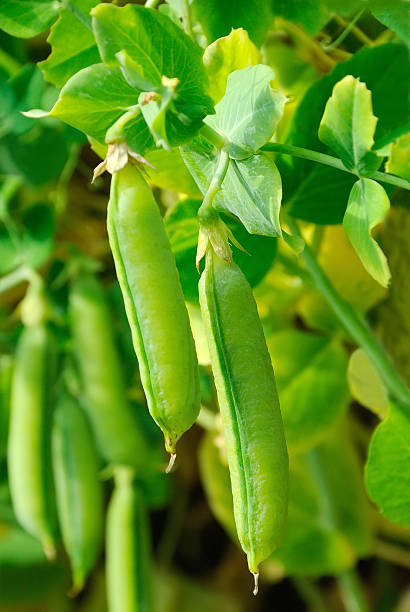
Key Features
- Cool-season legume producing green foliage, delicate flowers, and edible pea pods.
- Field peas are commonly grown for dry peas, fresh use, or garden cover crops.
- Upright to vining plants provide attractive foliage and may benefit from light support.
- Thrives in cool weather and suits vegetable gardens, raised beds, and larger growing spaces.
- Legume crop that can contribute nitrogen to the soil through its root nodules.
Growing Benefits
- Adds a productive cool-season crop to the home vegetable garden.
- Provides peas suitable for fresh cooking or harvesting as mature dry peas.
- Helps diversify vegetable plantings with a useful legume crop.
- Works well in garden beds and larger edible growing areas.
- Offers an interesting crop for gardeners exploring traditional field pea varieties.
Seed Specifications
- Common Name: Field Pea, Dry Field Pea, Field Pea Vegetable
- Botanical Name: Pisum sativum
- Plant Type: Annual cool-season legume
- Colors: Green foliage, white to pinkish flowers, green pods and mature seeds in variety-dependent colors
- Height: Approximately eighteen to thirty-six inches, depending on variety and growing conditions
- Sunlight: Full sun
- Soil: Fertile, well-drained soil with good organic matter
- Water: Moderate and consistent moisture; avoid waterlogged conditions
- Germination Time: Usually about seven to fourteen days
- Sowing Depth: About one to two inches deep
- Spacing: About two to four inches between seeds, with rows approximately eighteen to twenty-four inches apart
- Growing Zones: Generally suitable for USDA Zones three through nine, depending on seasonal conditions
- Flowering/Maturity: Flowers develop during the cool growing season; maturity commonly occurs about sixty to seventy days after sowing, depending on variety
- Uses: Vegetable gardens, dry peas, fresh pea use, cover cropping, and forage
Growing Tips
- Sow directly into the garden because peas generally dislike root disturbance.
- Plant while temperatures are cool for stronger establishment and better pod development.
- Provide a trellis or support when growing a climbing field pea variety.
- Harvest promptly at the desired stage to maintain good quality and encourage continued production.
Seed Storage
Store unused field pea seeds in a cool, dry, dark location. Keep them sealed in an airtight container or moisture-resistant seed packet. Protect seeds from humidity, heat, pests, and direct sunlight.
Unique Facts About Seeds
- Field peas belong to the legume family and are closely related to common garden peas.
- Their roots form relationships with nitrogen-fixing bacteria that can help increase available soil nitrogen.
- Field peas are traditionally grown as dry peas, forage crops, and cool-season cover crops.
- Pea plants produce distinctive butterfly-shaped flowers before developing their characteristic pods.