


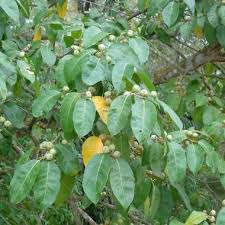
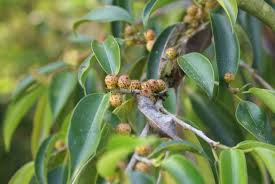
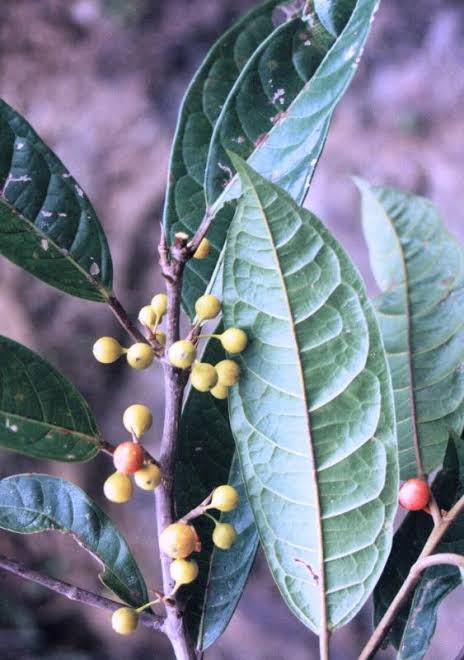
Grow Ficus pertusa from seed for an attractive tropical tree with green foliage and a naturally graceful growth habit. Ideal for warm-climate landscapes, botanical collections, large containers, and sheltered garden spaces.
Key Features
- Produces lush green foliage with an attractive evergreen appearance.
- Heirloom, non-GMO seed choice for warm-climate garden collections.
- Suitable for tropical and subtropical landscapes with adequate growing space.
- Performs best in warm conditions with fertile, well-drained soil.
- Makes an interesting specimen for botanical and ornamental plantings.
Growing Benefits
- Adds lush evergreen character to warm-climate landscapes.
- Creates attractive vertical structure in spacious garden settings.
- Provides an interesting tree-growing project from seed.
- Works well in tropical and subtropical ornamental collections.
- Can be grown in a large container while young.
Seed Specifications
- Common Name: Ficus pertusa, Fig Tree
- Botanical Name: Ficus pertusa
- Plant Type: Evergreen tree
- Foliage Color: Green
- Fruit: Small fig-like fruits when mature
- Growth Habit: Upright, spreading tree
- Sunlight: Full sun to partial shade
- Soil: Fertile, well-drained soil
- Water: Moderate; maintain consistent moisture during establishment
- Germination Time: Approximately 2–6 weeks under favorable conditions
- Sowing Depth: Surface sow or cover very lightly
- Spacing: Provide ample room for mature tree development
- Growing Zones: Best suited to tropical and subtropical climates; protect from frost
- Flowering/Fruiting: Mature plants can produce small fig-like fruits
- Uses: Ornamental landscapes, botanical collections, tropical gardens, large containers, and specimen plantings
Growing Tips
- Start seeds in a warm, humid environment using a well-drained seed-starting medium.
- Provide bright light while protecting young seedlings from intense drying conditions.
- Keep the growing medium evenly moist without allowing standing water.
- Give established trees plenty of space for roots and canopy development.
Seed Storage
Store unused seeds in a cool, dry, dark location. Keep them sealed in their original packet or an airtight container away from moisture, heat, and direct sunlight.
Important Growing Note
Ficus pertusa is a warm-climate tree and is not suitable for prolonged freezing conditions. Mature size and growth habit can vary with climate and cultivation. Provide adequate space before planting permanently, and confirm local suitability before outdoor landscape planting.
Unique Facts About Seeds
- Ficus pertusa belongs to the diverse Ficus genus, which includes many fig and ornamental species.
- Ficus trees have a unique flowering structure in which flowers develop inside a specialized fig-like receptacle.
- Many Ficus species have close ecological relationships with tiny fig wasps for pollination.
- Young plants can be maintained in containers before being planted into suitable warm-climate landscapes.