


Key Features
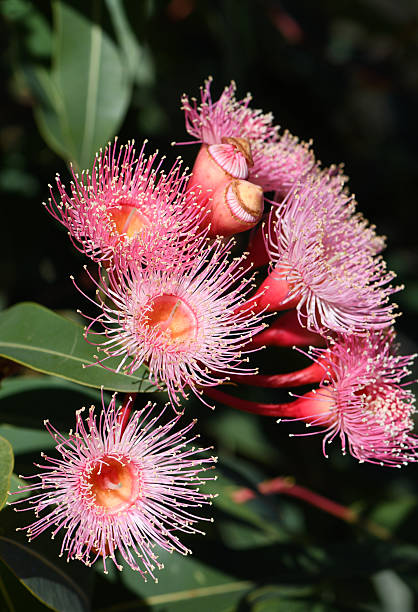
- Produces attractive ficifolia flowers suited to ornamental gardens.
- Features charming blooms that add color and visual interest.
- Bushy, flowering growth creates a lovely garden display.
- Suitable for flower beds, borders, cottage gardens, and containers.
- A distinctive choice for gardeners seeking less-common ornamental flowers.
Growing Benefits
- Adds cheerful seasonal color to home garden spaces.
- Helps create attractive flower beds and ornamental borders.
- Suitable for gardeners exploring unusual flowering plants.
- Can complement other cottage-garden flowers and companion plantings.
- Provides an enjoyable growing project for home gardeners.
Seed Specifications
- Common Name: Ficifolia Flower
- Botanical Name: Cucurbita ficifolia
- Plant Type: Flowering annual or tender perennial, commonly grown as an annual
- Colors: Yellow to orange-yellow flowers
- Height: Approximately 6–12 feet when grown as a vigorous vine
- Sunlight: Full sun
- Soil: Fertile, well-draining soil rich in organic matter
- Water: Regular, consistent moisture without waterlogging
- Germination Time: Approximately 7–14 days under suitable conditions
- Sowing Depth: Approximately 1 inch deep
- Spacing: Approximately 24–36 inches apart
- Growing Zones: Generally grown as a warm-season annual; suitable for frost-free growing conditions
- Flowering/Maturity: Flowers develop during the warm growing season; fruit maturity can take several months
- Uses: Ornamental gardens, trellises, borders, edible-garden displays, and cottage gardens
Growing Tips
- Choose a sunny location with fertile, well-draining soil.
- Sow seeds directly after the danger of frost has passed.
- Keep soil consistently moist while seeds are establishing.
- Provide sturdy support because the vigorous vines can spread widely.
Seed Storage
Store unused seeds in a cool, dry, dark place away from moisture and direct sunlight. Keep them in a tightly sealed, labeled container to help protect seed quality.
Unique Facts About Seeds
- Ficifolia is the species Cucurbita ficifolia, commonly known as fig-leaf gourd.
- The plant develops distinctive fig-like leaves and vigorous trailing vines.
- It produces separate male and female flowers on the same plant.
- The species is also known for its edible fruits, which can develop after flowering.