


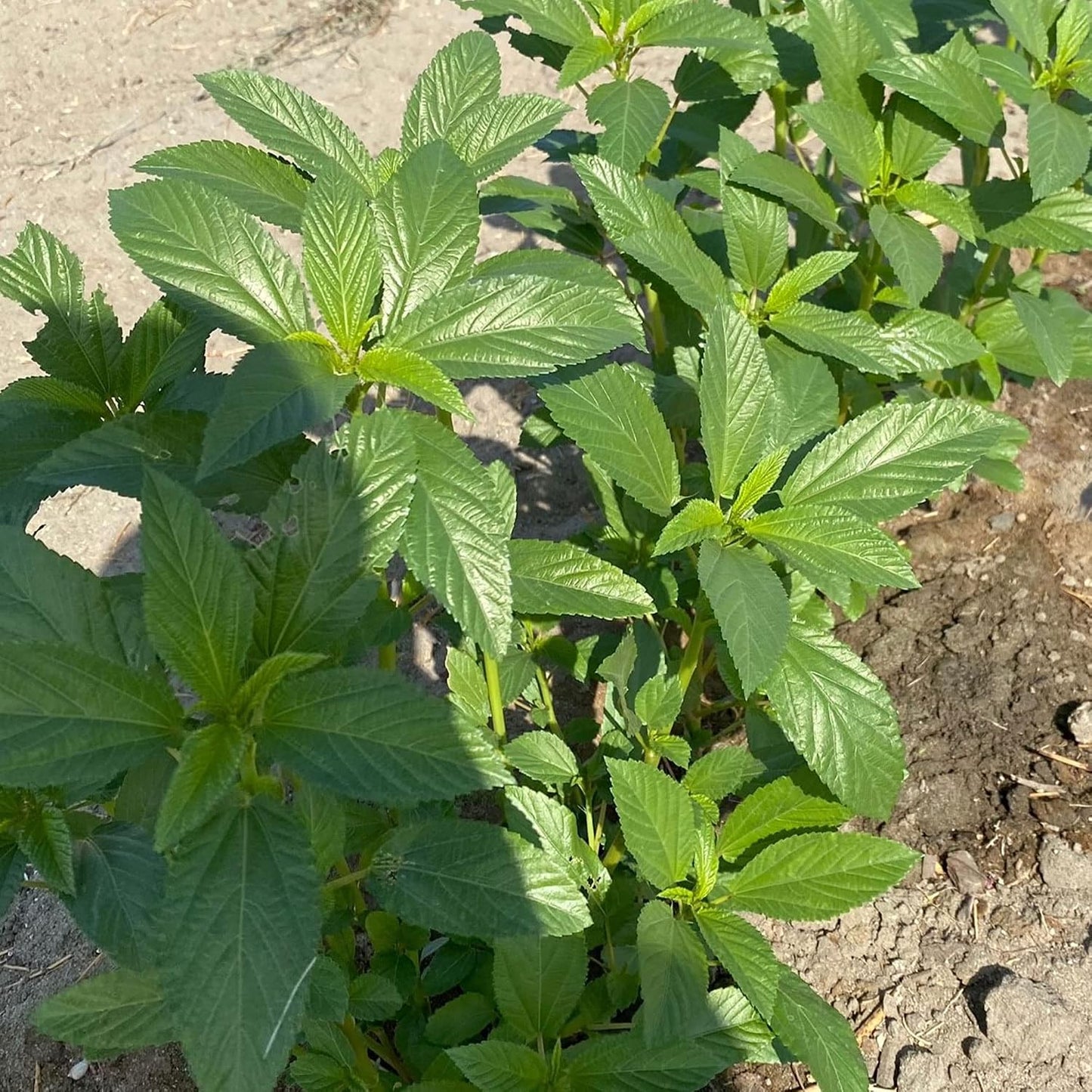
Key Features
- Warm-Season Leafy Green: Egyptian spinach, also known as molokhia or jute mallow, is grown for its tender edible leaves.
- Distinctive Plant: Produces upright, branching plants with bright green foliage and small yellow flowers.
- Edible Garden Crop: Young leaves can be harvested for soups, stews, sauces, and traditional dishes.
- Heat-Loving Variety: Performs well in warm conditions with plenty of sunlight and consistent moisture.
- Versatile Garden Use: Suitable for vegetable gardens, raised beds, containers, and home kitchen gardens.
Growing Benefits
- Provides a fresh leafy green for home harvesting.
- Well suited to warm-weather vegetable gardens.
- Can be harvested repeatedly by picking young, tender leaves.
- Adds an interesting traditional crop to a home garden.
- Useful for gardeners looking to grow less-common edible greens.
Seed Specifications
- Common Name: Egyptian Spinach, Molokhia, Jute Mallow, Jew's Mallow
- Botanical Name: Corchorus olitorius
- Plant Type: Warm-season annual leafy vegetable
- Colors: Green leaves; small yellow flowers
- Height: Typically about four to six feet when grown under favorable conditions
- Sunlight: Full sun
- Soil: Fertile, well-draining soil rich in organic matter
- Water: Regular and consistent moisture; avoid prolonged waterlogging
- Germination Time: Usually about one to two weeks under suitable conditions
- Sowing Depth: Shallow sowing, about one-quarter inch deep
- Spacing: Thin or space plants about six to twelve inches apart, depending on growing conditions and harvesting preference
- Growing Zones: Best suited to warm climates; commonly grown as an annual in cooler regions
- Flowering/Maturity: Small yellow flowers develop later in the season; young leaves can be harvested once plants are established
- Uses: Leafy vegetable, soups, stews, sauces, traditional molokhia dishes, home vegetable gardens
Four Growing Tips
- Start in Warm Soil: Sow after the danger of cold weather has passed and soil temperatures are consistently warm.
- Keep Soil Moist: Maintain even moisture during germination and early growth without keeping the soil waterlogged.
- Harvest Young Leaves: Pick tender leaves regularly to encourage continued production and enjoy better texture.
- Provide Support if Needed: Tall, mature plants may benefit from a stake or sheltered growing position, especially in windy locations.
Seed Storage
Store unused seeds in a cool, dry, dark place away from moisture and direct sunlight. Keep them in a tightly sealed, labeled container. Avoid storing seeds in areas exposed to heat or humidity.
Unique Facts About Seeds
- Egyptian spinach belongs to the genus Corchorus, a group of plants traditionally associated with jute and leafy vegetables.
- The leaves are widely known as molokhia and are an important ingredient in traditional dishes in parts of North Africa and the Middle East.
- The plant produces small yellow flowers that can develop into elongated seed pods when allowed to mature.
- Although called Egyptian spinach, it is botanically different from true spinach and is particularly suited to warm growing conditions.