


Key Features
-
Plant Variety: Echinacea angustifolia, commonly known as Narrow-Leaved Purple Coneflower.
-
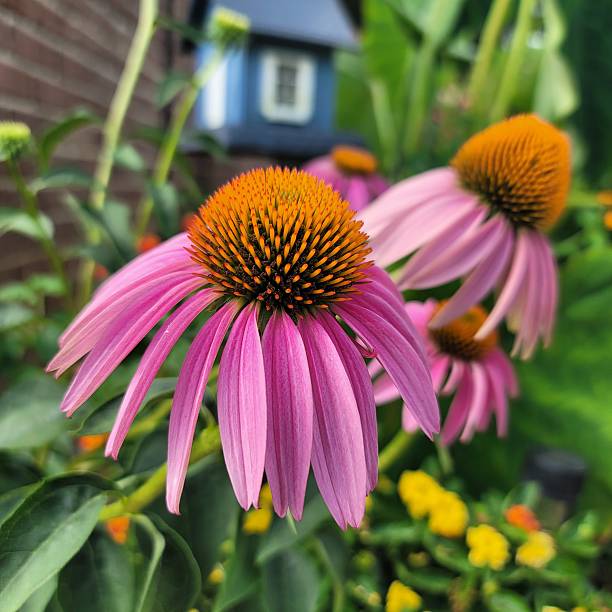
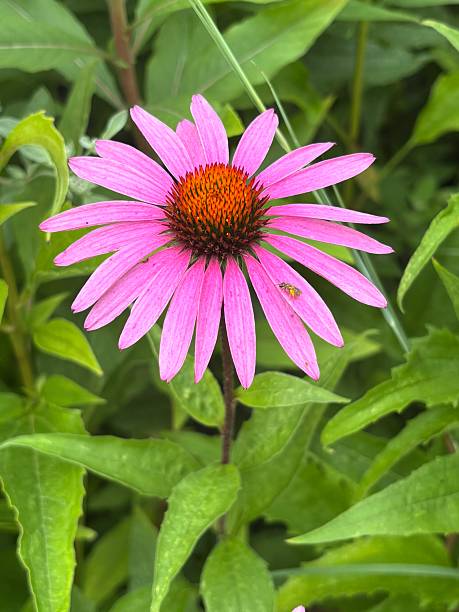
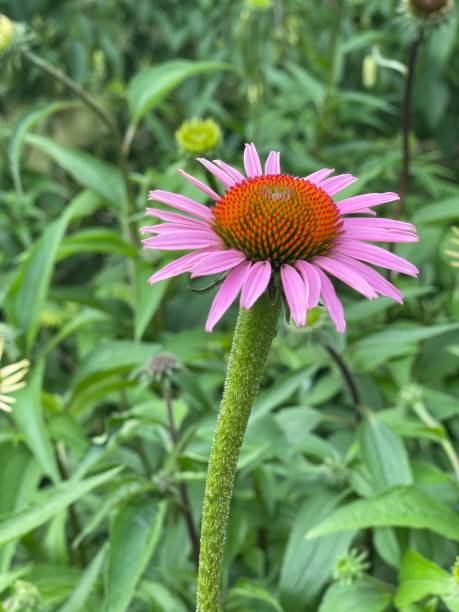
Flower Appearance: Attractive pink to purple petals surrounding a prominent spiky central cone.
-
Plant Characteristics: Hardy perennial wildflower with narrow leaves and deep-growing roots.
-
Garden Uses: Suitable for wildflower gardens, pollinator gardens, native plant landscapes, and cottage gardens.
-
Pollinator Friendly: Flowers attract bees, butterflies, and other beneficial pollinating insects.
Growing Benefits
-
Adds beautiful purple-pink flowers to natural and cottage-style gardens.
-
Supports bees and butterflies with valuable seasonal nectar.
-
Returns year after year once successfully established.
-
Provides an attractive option for drought-tolerant garden landscapes.
-
Brings native wildflower character to sunny outdoor spaces.
Seed Specifications
-
Common Name: Narrow-Leaved Purple Coneflower
-
Botanical Name: Echinacea angustifolia
-
Plant Type: Herbaceous perennial flowering herb
-
Colors: Pink, pale purple, and lavender-pink petals with a brownish-orange central cone
-
Height: Approximately 12–24 inches
-
Sunlight: Full sun
-
Soil: Well-drained, moderately fertile soil; tolerates dry and rocky conditions
-
Water: Moderate during establishment; low to moderate once established
-
Germination Time: Approximately 10–21 days under suitable conditions; may take longer without pretreatment
-
Sowing Depth: Surface sow or cover very lightly
-
Spacing: Approximately 12–18 inches between plants
-
Growing Zones: USDA Zones 3–8
-
Flowering/Maturity: Typically flowers from late spring through summer, depending on climate and growing conditions
-
Uses: Ornamental gardening, pollinator gardens, native landscapes, and traditional herbal plant collections
Growing Tips
-
Choose a sunny location with plenty of direct sunlight for healthy growth.
-
Use well-drained soil to prevent excess moisture around the roots.
-
Keep the soil lightly moist during germination without making it waterlogged.
-
Allow established plants to develop naturally with minimal disturbance.
Seed Storage
Store Echinacea angustifolia seeds in a cool, dry, and dark location. Keep them inside an airtight container or sealed seed packet to protect them from moisture and heat. Label the container and avoid exposing seeds to direct sunlight. Proper storage helps maintain seed quality until planting.
Unique Facts About Echinacea Angustifolia Seeds
-
Echinacea angustifolia is native to the central regions of North America.
-
Its botanical name refers to the narrow shape of its leaves.
-
The distinctive central flower cone becomes spiky as the flower matures.
-
It is an important traditional medicinal plant in several Indigenous North American herbal traditions.