


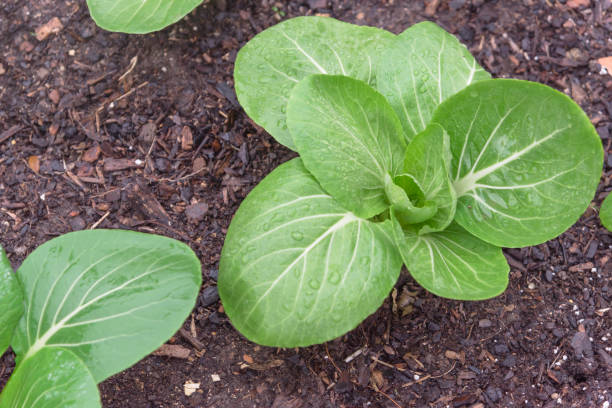
Key Features
- Compact Variety: Produces small, tender heads that are well suited to home gardens and containers.
- Attractive Color: Forms crisp green leaves with contrasting pale green to white stems.
- Tender Texture: Young leaves and stems offer a mild, fresh flavor for everyday cooking.
- Garden Friendly: Excellent for vegetable beds, raised beds, patio containers, and small-space gardens.
- Versatile Vegetable: Enjoy fresh in salads or cooked in stir-fries, soups, noodles, and Asian-inspired dishes.
Growing Benefits
- Provides fresh, homegrown greens in a relatively compact growing space.
- Suitable for containers and gardens where space is limited.
- Fast-growing plants can provide tender leaves and stems for the kitchen.
- Makes a useful cool-season crop for home vegetable gardens.
- Easy to harvest young for especially tender leaves and stems.
Seed Specifications
- Common Name: Dwarf Pak Choi, Dwarf Bok Choy, Baby Pak Choi
- Botanical Name: Brassica rapa subsp. chinensis
- Plant Type: Annual leafy vegetable
- Colors: Green leaves with white to pale green stems
- Height: Generally compact, commonly around six to twelve inches
- Sunlight: Full sun to partial shade
- Soil: Fertile, well-drained soil rich in organic matter
- Water: Consistent moisture with good drainage
- Germination Time: Usually around four to ten days under favorable conditions
- Sowing Depth: About one-quarter inch deep
- Spacing: Thin or transplant plants approximately six to eight inches apart
- Growing Zones: Suitable as a cool-season crop across a broad range of growing zones
- Flowering/Maturity: Commonly ready for baby-leaf or young-head harvest within several weeks, depending on variety and conditions
- Uses: Stir-fries, soups, noodles, salads, steaming, braising, and fresh vegetable dishes
Growing Tips
- Sow during cool weather because pak choi performs best in mild temperatures.
- Keep the seedbed evenly moist while seeds are germinating and seedlings establish.
- Thin crowded seedlings early to encourage compact, healthy growth.
- Harvest young plants promptly to enjoy tender leaves and help reduce bolting in warming weather.
Seed Storage
Store unused seeds in a cool, dry, dark place away from moisture and heat. Keep them in a sealed, moisture-resistant container and protect them from direct sunlight. Make sure seeds remain completely dry during storage.
Unique Facts About Seeds
- Pak choi is a member of the Brassicaceae family, which also includes cabbage, broccoli, kale, and mustard.
- Unlike heading cabbage, pak choi forms upright clusters of leafy greens and fleshy stems.
- Pak choi is also commonly known as bok choy, with regional spelling and naming variations.
- Cool temperatures generally encourage good leafy growth, while prolonged heat can encourage premature flowering.