


Key Features
-
Tropical Evergreen Plant: Dwarf Coffee (Coffea arabica) is an attractive evergreen plant known for its glossy foliage, fragrant flowers, and coffee-producing berries.
-
Compact Growth Habit: Dwarf selections are suitable for indoor plant collections, patio containers, greenhouses, and tropical gardens.
-
Beautiful Foliage: Produces glossy, dark green leaves that provide year-round ornamental appeal.
-
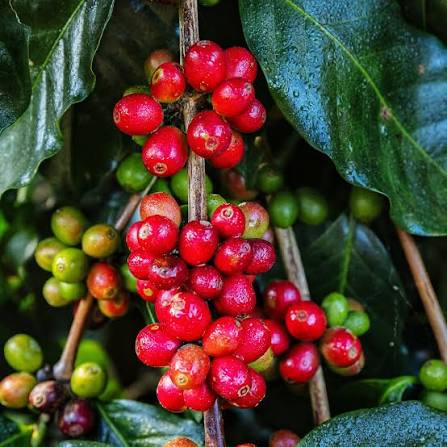
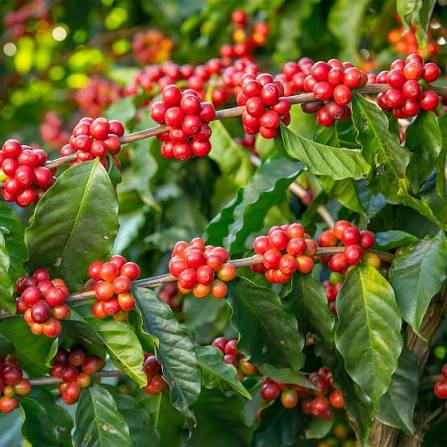
Fragrant Flowers: Mature plants may develop small, white, sweetly scented flowers followed by colorful coffee cherries.
-
Special Feature: Coffee cherries contain seeds commonly known as coffee beans, which are processed and roasted to produce coffee.
Growing Benefits
-
Indoor Tropical Beauty: Grow an attractive evergreen plant that brings a lush tropical appearance to indoor spaces.
-
Container Gardening: Dwarf Coffee plants can be maintained in suitable pots with regular pruning and proper care.
-
Fragrant Flowering: Enjoy delicate white flowers with a pleasant fragrance when mature plants bloom.
-
Coffee Growing Experience: Discover how coffee plants develop flowers, cherries, and seeds through their natural growing cycle.
-
Long-Term Ornamental Value: Maintain an attractive perennial plant with glossy foliage under suitable growing conditions.
Seed Specifications
-
Common Name: Dwarf Coffee Plant, Dwarf Arabica Coffee
-
Botanical Name: Coffea arabica
-
Plant Type: Tropical evergreen perennial shrub
-
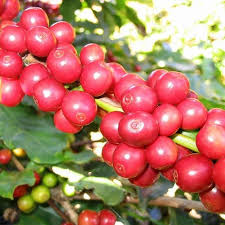
Colors: Dark green foliage, white flowers, green berries turning red or occasionally yellow when ripe
-
Height: Approximately three to six feet for compact selections under cultivation; height varies by variety and pruning
-
Sunlight: Bright indirect sunlight to partial shade
-
Soil: Fertile, well-drained, slightly acidic soil
-
Water: Consistent moisture without waterlogging
-
Germination Time: Approximately four to twelve weeks, sometimes longer
-
Sowing Depth: Approximately one-quarter to one-half inch
-
Spacing: Approximately three to five feet between outdoor plants, depending on mature growth
-
Growing Zones: Generally USDA zones ten through eleven outdoors; suitable for indoor cultivation in colder regions
-
Flowering/Maturity: Seed-grown plants may begin flowering and fruiting after approximately three to five years under favorable conditions
-
Uses: Indoor ornamental plants, container gardening, tropical landscaping, greenhouse cultivation, and coffee plant collections
Growing Tips
-
Use Fresh Seeds: Plant fresh, viable coffee seeds whenever possible because germination rates can decline during prolonged storage.
-
Maintain Warm Conditions: Keep the growing medium around seventy to eighty degrees Fahrenheit for favorable germination.
-
Provide Filtered Sunlight: Protect young plants from harsh afternoon sunlight and provide bright indirect light.
-
Maintain Humidity: Coffee plants prefer moderately humid conditions and consistently moist, well-drained soil.
Seed Storage
Store Dwarf Coffee seeds in a clean, labeled container under cool, protected conditions away from direct sunlight and excessive heat. Coffee seeds are sensitive to drying and may lose viability during prolonged storage. Avoid completely drying fresh seeds or exposing them to freezing temperatures. For better germination potential, sow fresh seeds promptly after obtaining them.
Unique Facts About Seeds
-
Coffee Beans Are Seeds: The familiar coffee bean is actually the seed found inside the fruit of a coffee plant.
-
Fragrant White Flowers: Coffee plants produce clusters of white flowers with a sweet fragrance often compared to jasmine.
-
Color-Changing Cherries: Coffee fruits generally begin green and gradually develop red coloration as they mature, although some varieties produce yellow cherries.
-
Natural Self-Pollination: Coffea arabica is largely self-fertile, allowing individual plants to produce fruit under suitable growing conditions