


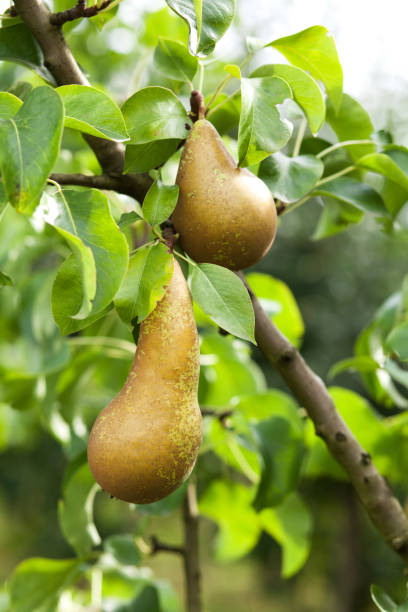
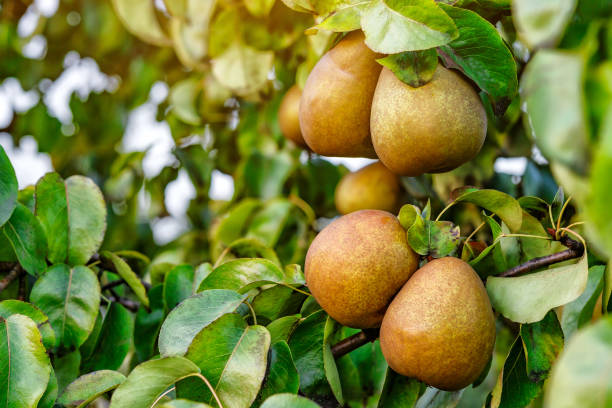
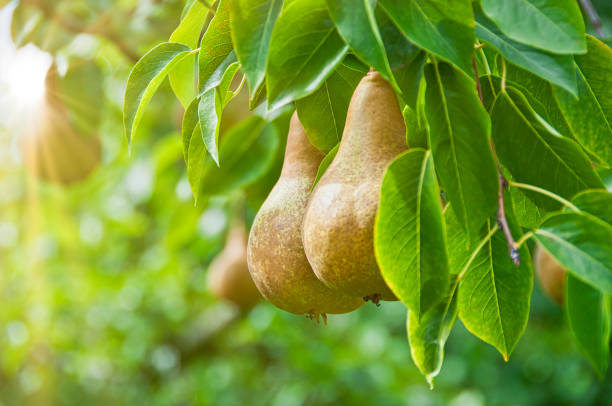
Key Features
-
Fruit Variety: Dusky pear, a name that should be verified with the seed supplier for exact cultivar identity.
-
Fruit Appearance: Pears generally develop green, yellow, bronze, or russet-toned skin, depending on the variety.
-
Plant Characteristics: Pear trees are deciduous fruit trees with spring blossoms and leafy summer growth.
-
Garden Uses: Suitable for home orchards, edible landscapes, and spacious gardens with appropriate growing conditions.
-
Growing Interest: Growing pear trees from seed offers an opportunity to observe their development from seedling to tree.
Growing Benefits
-
Adds a rewarding fruit-tree growing project to a home garden.
-
Produces attractive spring blossoms when the tree reaches flowering maturity.
-
Provides an opportunity to learn about fruit-tree growth and seasonal care.
-
Can contribute to a diverse edible landscape with suitable long-term planning.
-
Encourages patience and gardening skills through the development of a young tree.
Seed Specifications
-
Common Name: Dusky Pear
-
Botanical Name: Pyrus species; exact species and cultivar require supplier confirmation.
-
Plant Type: Deciduous fruit tree
-
Colors: Green foliage, spring blossoms usually white, and fruit colors vary by variety.
-
Height: Depends on the species, rootstock, and growing conditions; seed-grown trees may become large.
-
Sunlight: Full sun
-
Soil: Well-drained, fertile loam
-
Water: Regular watering during establishment; avoid waterlogged soil.
-
Germination Time: Variable; pear seeds commonly require a period of cold, moist stratification.
-
Sowing Depth: Cover seeds lightly with a thin layer of moist growing medium.
-
Spacing: Allow ample room for a mature tree; spacing depends on the eventual tree size.
-
Growing Zones: Climate suitability depends on the pear species and its winter-chilling requirements.
-
Flowering/Maturity: Trees typically require several years to flower and fruit from seed, and fruit quality may vary.
-
Uses: Home orchards, edible landscaping, fruit-tree collections, and garden education.
Growing Tips
-
Choose fresh seeds and provide the appropriate cold, moist stratification before sowing.
-
Use a well-draining seed-starting medium and keep it lightly moist.
-
Place seedlings where they receive plenty of sunlight as they develop.
-
Transplant young trees carefully and allow enough space for their mature size.
Seed Storage
Keep dry, unplanted seeds in a labeled, airtight container in a cool, dark place. Protect them from moisture and heat. If the seeds require cold stratification, follow the appropriate preparation method before sowing. Avoid storing seeds while damp, as this can encourage mold.
Unique Facts About Pear Seeds
-
Cold preparation: Many temperate pear seeds need a period of cold, moist conditions to break dormancy.
-
Genetic variation: Trees grown from seed may produce fruit that differs from the parent tree.
-
Spring blossoms: Pear trees typically produce clusters of white flowers before or around the time their leaves develop.
-
Long-term growth: Seed-grown pear trees can take several years to mature and bear fruit, depending on their genetics and environment.