


Key Features
-
Tropical Fruit Tree: Duku is a tropical fruit tree related to langsat, valued for its edible fruits.
-
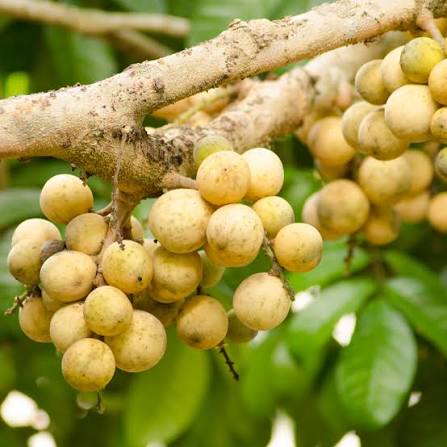
Fruit Appearance: Fruits typically have pale yellow to light brown skin and translucent, juicy flesh.
-
Plant Characteristics: An evergreen tree with glossy green leaves and a spreading canopy in suitable climates.
-
Garden Uses: Suitable for tropical gardens, home orchards, and warm-climate landscapes with enough space.
-
Distinctive Flavor: The fruit is known for its sweet to mildly tangy taste, depending on the variety.
Growing Benefits
-
Adds an interesting tropical fruit tree to a home orchard.
-
Provides an opportunity to grow an unusual fruit from seed.
-
Brings glossy evergreen foliage to suitable tropical landscapes.
-
Offers the possibility of harvesting fresh fruit when the tree matures.
-
Makes a rewarding long-term gardening project for warm-climate growers.
Seed Specifications
-
Common Name: Duku, Duku Fruit, Langsat
-
Botanical Name: Lansium domesticum (also classified as Lansium parasiticum in some taxonomic references)
-
Plant Type: Tropical evergreen fruit tree
-
Colors: Green foliage; mature fruits are generally pale yellow to light brown, with translucent whitish flesh.
-
Height: Can reach approximately 10–30 metres in favorable conditions, depending on variety and growing environment.
-
Sunlight: Full sun to partial shade, with protection from harsh afternoon heat while young.
-
Soil: Deep, fertile, well-drained soil rich in organic matter.
-
Water: Regular moisture, especially during establishment; avoid waterlogged soil.
-
Germination Time: Variable; fresh seeds may germinate over several weeks under warm, humid conditions.
-
Sowing Depth: Cover seeds lightly with moist soil, approximately twice the seed thickness.
-
Spacing: Allow generous space for the mature canopy and root system.
-
Growing Zones: Best suited to frost-free tropical climates; generally unsuitable for regions with cold winters.
-
Flowering/Maturity: Flowering and fruiting may take several years from seed, with timing affected by growing conditions.
-
Uses: Tropical home orchards, edible fruit production, and warm-climate gardens.
Growing Tips
-
Sow fresh seeds promptly because they do not tolerate prolonged drying well.
-
Keep the soil evenly moist without allowing standing water around the roots.
-
Provide warmth, humidity, and filtered sunlight while seedlings are young.
-
Choose a permanent planting site with deep soil and ample room to grow.
Seed Storage
Duku seeds are sensitive to drying and generally have a short storage life. For the best chance of germination, sow fresh seeds soon after removing them from ripe fruit. If planting must be delayed briefly, keep them slightly moist in a breathable medium in a warm place, and avoid letting them dry out or become waterlogged. Avoid prolonged storage.
Unique Facts About Duku Seeds and Fruit
-
Tropical origins: Duku is widely grown in Southeast Asia, particularly in Indonesia, Malaysia, and neighboring tropical regions.
-
Botanical relationship: Duku belongs to the mahogany family, Meliaceae, which also includes mahogany trees.
-
Freshness matters: Its seeds are sensitive to drying, making fresh sowing especially important.
-
Seed-grown variation: Trees grown from seed may differ from the parent tree in fruit quality, and they often take years to produce fruit.