


Key Features
-
Dewberry fruit variety suitable for home garden cultivation
-
Low-growing, trailing plant with flexible canes
-
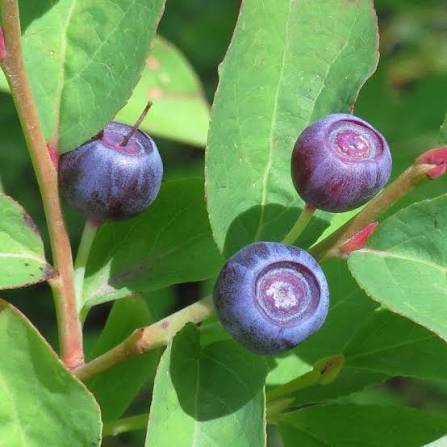
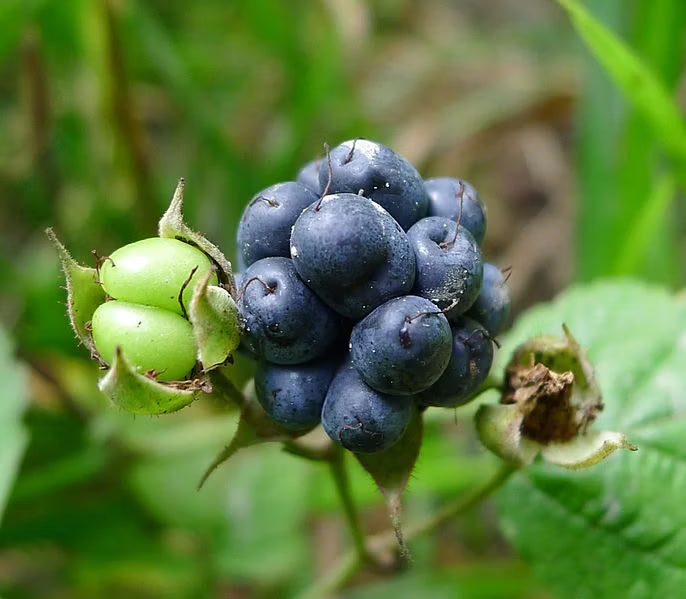
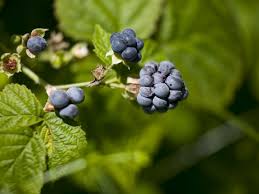
Produces small dark-colored berries when mature
-
Suitable for garden beds, edible landscapes, and suitable containers
-
Attractive choice for gardeners interested in growing berry plants from seed
Growing Benefits
-
Adds an edible berry plant to the home garden
-
Trailing growth can complement natural garden spaces
-
Suitable for home fruit and wildlife-friendly garden settings
-
Provides an interesting seed-to-fruit gardening project
-
Can be incorporated into larger edible landscapes
Seed Specifications
-
Common Name: Dewberry
-
Botanical Name: Rubus spp.
-
Plant Type: Perennial trailing berry plant
-
Colors: Green foliage with dark-colored mature berries
-
Height: Generally low-growing with trailing or sprawling canes
-
Sunlight: Full sun to partial shade
-
Soil: Well-drained, fertile soil
-
Water: Regular moisture without prolonged saturation
-
Germination Time: Several weeks under suitable conditions
-
Sowing Depth: About one-quarter inch deep
-
Spacing: Allow several feet between established plants
-
Growing Zones: Varies by dewberry species; generally suited to temperate and warm regions
-
Flowering/Maturity: White flowers appear before fruit; seed-grown plants require time to mature before fruiting
-
Uses: Fresh eating, edible gardens, naturalized areas, berry gardens, and landscaping
Growing Tips
-
Use well-drained soil and avoid planting where water remains around the roots.
-
Keep the seed-starting medium evenly moist during germination.
-
Give trailing plants adequate space to spread and develop naturally.
-
Provide a sunny location for stronger growth and fruit development.
Seed Storage
Store unused seeds in a sealed packet or airtight container in a cool, dry, dark place. Protect them from moisture, heat, and direct sunlight.
Unique Facts About Seeds
-
Dewberry is a common name used for several trailing species within the Rubus genus.
-
Dewberries are related to blackberries and raspberries and belong to the rose family.
-
Their trailing growth habit distinguishes many dewberry species from upright blackberry plants.
-
Dewberry fruits are aggregate fruits made up of many small drupelets.