



Grow Deodar Cedar from seed for graceful evergreen foliage, naturally drooping branches, and a distinctive pyramidal form. This majestic conifer is suited to spacious landscapes, specimen plantings, parks, and large garden settings.
Key Features
- Produces attractive blue-green to gray-green evergreen needle foliage.
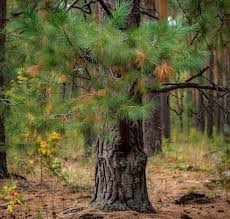
- Develops a graceful pyramidal form with gently drooping branch tips.
- Makes a striking specimen tree for spacious landscapes and large gardens.
- Performs best in full sun with deep, well-drained soil.
- Adds year-round evergreen structure and natural architectural beauty.
Growing Benefits
- Evergreen foliage provides lasting structure across the seasons.
- Graceful branching creates an elegant silhouette in spacious landscapes.
- Specimen appeal makes a memorable focal point for larger gardens.
- Blue-green needles add soft contrast among surrounding greenery.
- Natural form brings a classic conifer character to landscape designs.
Seed Specifications
- Common Name: Deodar Cedar, Himalayan Cedar
- Botanical Name: Cedrus deodara
- Plant Type: Evergreen coniferous tree
- Foliage Color: Blue-green to gray-green
- Foliage Type: Needle-like evergreen leaves
- Growth Habit: Upright, pyramidal, with gracefully drooping branch tips
- Bark: Gray-brown, becoming more rugged with age
- Flowering: Produces separate male and female reproductive structures; not grown primarily for flowers
- Sunlight: Full sun
- Soil: Deep, fertile, well-drained soil
- Water: Moderate during establishment; more drought tolerant once established
- Germination Time: Approximately 3–8 weeks under favorable conditions
- Sowing Depth: Approximately ½–1 inch
- Spacing: Allow substantial room for mature growth; approximately 30–50 feet or more from structures and other large trees may be appropriate depending on landscape conditions
- Growing Zones: Generally suited to USDA Zones 7–9
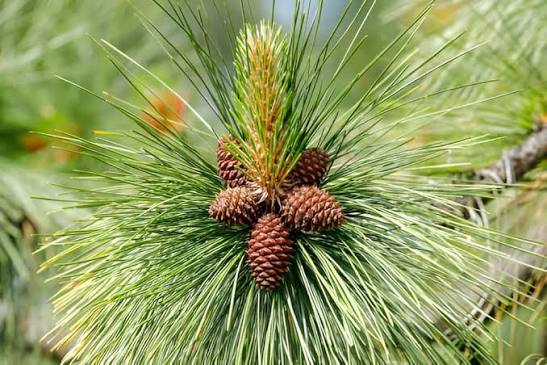
- Flowering/Maturity: Young trees develop gradually; mature specimens produce upright cones
- Uses: Specimen trees, large landscapes, parks, estate gardens, windbreak-style plantings, and evergreen displays
Growing Tips
- Provide an open location with full sun and plenty of room for mature growth.
- Use deep, well-drained soil because young roots perform poorly in prolonged waterlogged conditions.
- Keep seedlings consistently but moderately moist during early development.
- Protect young trees from severe weather and competing vegetation while they establish.
Seed Storage
Store unused seeds in a cool, dry, dark location. Keep them sealed in their original packet or an airtight container away from moisture, heat, and direct sunlight.
Important Growing Note
Deodar Cedar is a large landscape tree and should be planted where there is adequate room for mature height, branch spread, and root development. Growth rate and mature size can vary with climate, soil, and growing conditions.
Unique Facts About Seeds
- Deodar Cedar is native to the western Himalayas.
- Its name is derived from Sanskrit and is associated with the idea of a “tree of the gods.”
- Young branches often have gracefully drooping tips, giving the tree its characteristic elegant appearance.
- Mature trees produce upright cones that sit prominently on the branches.