


Key Features
- Botanical identity: Crocus sativus, commonly known as saffron crocus.
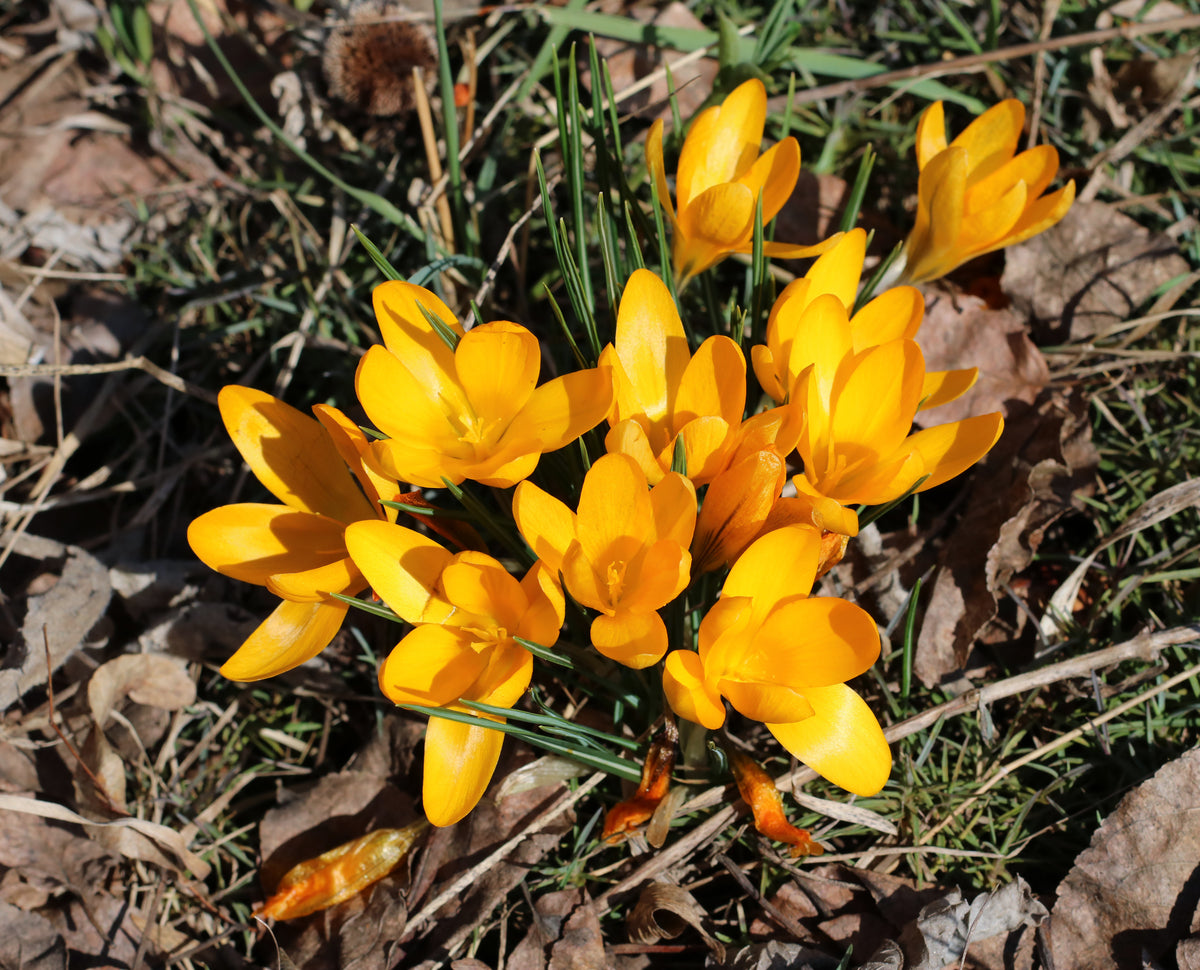
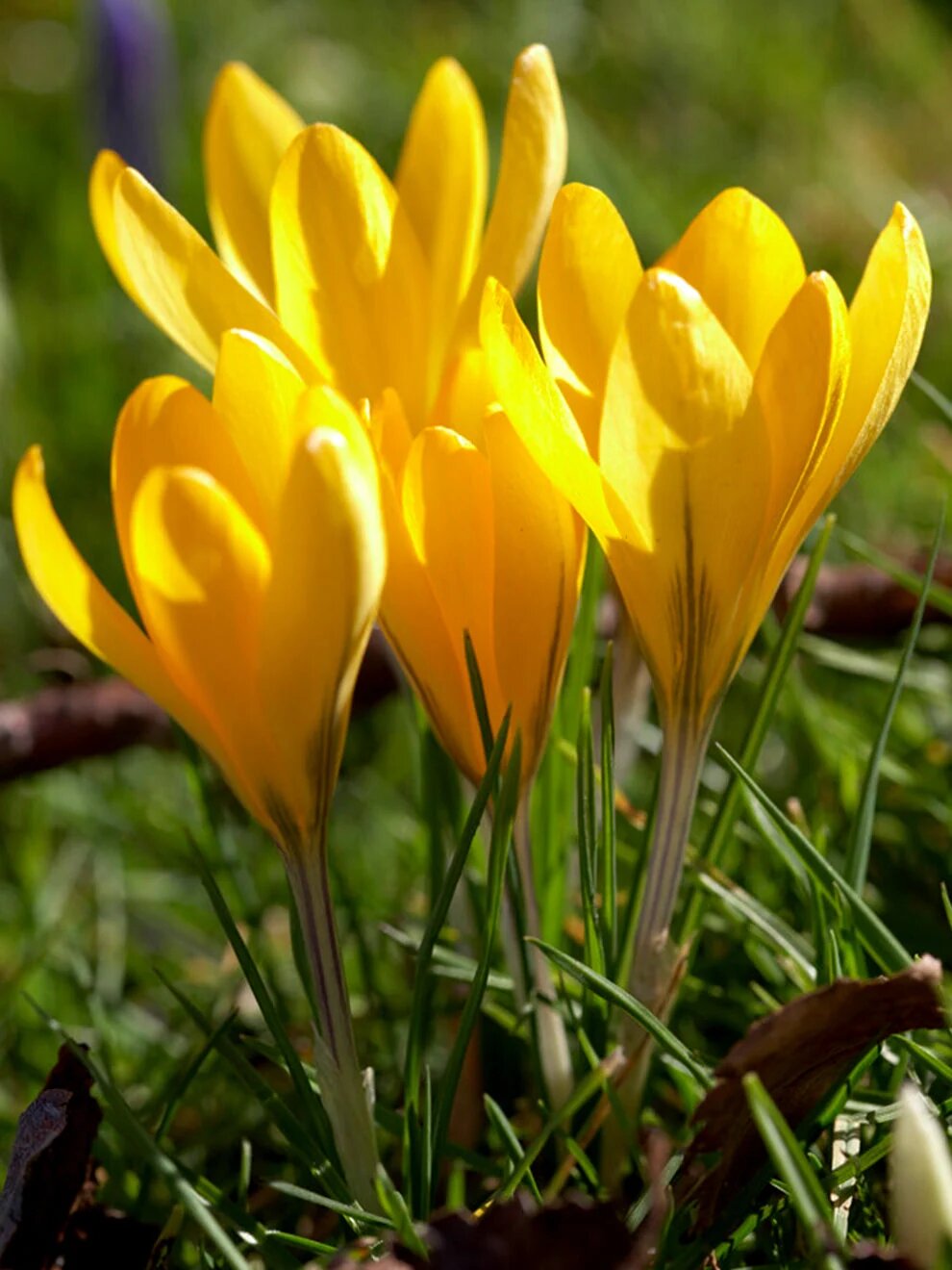
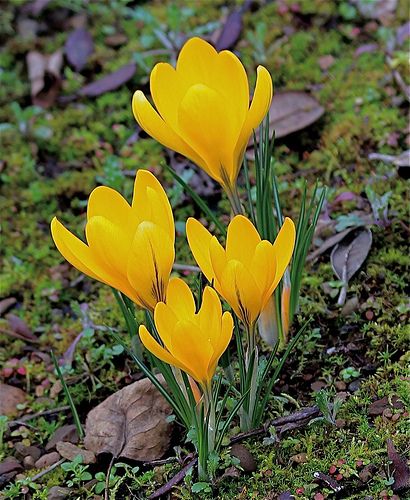
- True Crocus sativus flowers are typically lilac to violet, not yellow.
- Compact autumn-flowering plant with slender, grass-like foliage.
- Attractive choice for ornamental beds, borders, rock gardens, and cottage-style landscapes.
- Important propagation note: Crocus sativus is generally seed-sterile and is propagated by corms.
Growing Benefits
- Adds delicate seasonal color and interest to autumn garden spaces.
- Compact growth makes it suitable for borders and smaller planting areas.
- Slender foliage provides an attractive, grass-like texture in the landscape.
- Saffron crocus has a long history of cultural and culinary importance.
- Works beautifully in naturalistic, cottage, and rock-garden settings.
Seed Specifications
Common Name: Saffron Crocus, Autumn Crocus
Botanical Name: Crocus sativus
Plant Type: Perennial flowering corm plant
Colors: Lilac to violet flowers with prominent red stigmas
Height: Approximately ten to fifteen centimeters
Sunlight: Full sun to partial sun
Soil: Well-drained, moderately fertile soil
Water: Moderate moisture during active growth; avoid waterlogged soil
Germination Time: Not applicable for true Crocus sativus, which is generally seed-sterile
Sowing Depth: Not applicable to viable Crocus sativus seed; corm planting is used instead
Spacing: Allow approximately ten centimeters between corms
Growing Zones: Commonly grown in suitable temperate regions, including USDA Zones six through nine
Flowering/Maturity: Usually flowers in autumn after planting and establishment
Uses: Ornamental gardens, borders, rock gardens, naturalistic planting, and saffron production
Growing Tips
- Choose a sunny location with excellent drainage to reduce the risk of corm rot.
- Avoid heavy, constantly wet soil and improve drainage before planting.
- Allow foliage to remain after flowering so the plant can replenish its corm.
- Mark the planting area clearly because the plant may become dormant after its growing period.
Seed Storage
Crocus sativus is normally propagated using corms rather than viable seeds. If a supplier provides material labeled as seed, keep it cool, dry, dark, and protected from moisture until its botanical identity and viability are confirmed. Do not store planting material in sealed conditions where condensation can develop.
Unique Facts About Seeds
- Crocus sativus is a triploid plant and generally does not produce viable seeds for normal propagation.
- The plant is traditionally multiplied through daughter corms rather than by seed.
- Saffron comes from the red stigmas of the Crocus sativus flower.
- Despite its common name, saffron crocus produces lilac or violet flowers rather than yellow blooms.