


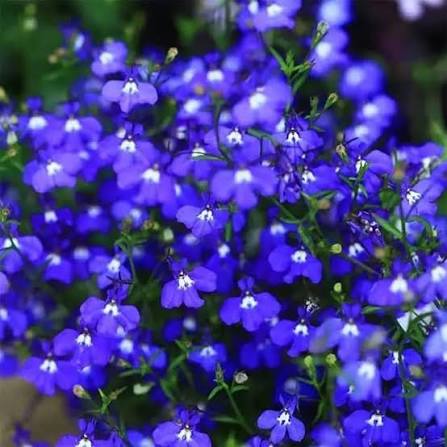


Key Features
-
Purple Flowering Groundcover: Produces clusters of small pinkish-purple to lilac blossoms during summer.
-
Low-Growing Spreading Habit: Forms a compact mat of creeping stems and small leaves.
-
Aromatic Green Foliage: Features tiny fragrant leaves that release a thyme-like scent when gently brushed.
-
Perennial Garden Growth: Returns in suitable climates and retains some foliage during mild winters.
-
Versatile Landscape Planting: Suitable for rock gardens, stepping-stone borders, and sunny groundcover areas.
Growing Benefits
-
Natural Groundcover Appearance: Creates a spreading layer of fine-textured foliage.
-
Seasonal Flower Color: Adds purple-toned blossoms to sunny garden spaces.
-
Stone Garden Appeal: Softens the edges of rocks, pavers, and decorative pathways.
-
Pollinator Garden Interest: Flowers attract visiting bees and other flower-visiting insects.
-
Low-Maintenance Established Growth: Requires relatively little watering once established in suitable soil.
Seed Specifications
-
Common Name: Creeping Thyme, Wild Thyme, Mother of Thyme
-
Botanical Name: Thymus serpyllum
-
Plant Family: Lamiaceae
-
Plant Type: Ornamental Flowering Groundcover
-
Plant Classification: Evergreen Woody Perennial Subshrub
-
Variety: Species Form; Cultivar Not Specified
-
Flower Color: Purple, Lilac to Pinkish Purple
-
Flower Shape: Small, Two-Lipped Tubular Flowers
-
Flower Arrangement: Compact Terminal Clusters
-
Foliage Color: Dark Green
-
Leaf Shape: Tiny, Oval to Elliptical
-
Leaf Arrangement: Opposite
-
Leaf Fragrance: Aromatic Thyme-Like Scent
-
Plant Height: Approximately 2–4 Inches
-
Plant Spread: Approximately 8–20 Inches
-
Growth Habit: Creeping, Spreading, Mat-Forming
-
Sunlight: Full Sun
-
Soil: Sandy, Loamy, Gravelly, Well-Draining Soil
-
Soil pH: Neutral to Alkaline Preferred
-
Water Requirements: Low Once Established
-
Germination Time: Approximately 14–24 Days Under Suitable Conditions; Variable
-
Germination Temperature: Approximately 59–68°F
-
Seed Preparation: No Routine Cold Stratification Generally Required
-
Sowing Depth: Surface Sow or Cover Very Lightly
-
Plant Spacing: Approximately 8–12 Inches
-
USDA Growing Zones: Approximately 4–8; Site Conditions May Affect Winter Survival
-
Planting Season: Spring to Early Summer
-
Flowering Season: Summer
-
Maturity: Groundcover Establishment Develops Over Successive Growing Seasons
-
Native Region: Europe
-
Uses: Ornamental Groundcover, Rock Gardens, Stepping-Stone Borders, Gravel Gardens, Containers
-
Seed Count Per Pack: Confirm Actual Quantity
-
Special Characteristics: Purple Flowers, Creeping Stems, Aromatic Leaves, Evergreen Growth
Growing Tips
-
Choose Full Sun: Select an open location receiving at least six hours of direct sunlight.
-
Ensure Excellent Drainage: Use sandy or gravelly soil and avoid waterlogged planting areas.
-
Space Plants Evenly: Allow individual plants room to spread and gradually fill open ground.
-
Water During Establishment: Provide regular light watering until the roots develop.
-
Trim After Flowering: Lightly remove spent flowering stems to maintain a compact appearance.
-
Avoid Heavy Foot Traffic: Use creeping thyme around stepping stones and in lightly used areas rather than heavily traveled pathways.
Seed Storage
-
Cool Storage: Keep seeds in a cool, stable environment away from excessive heat.
-
Dry Conditions: Store properly dried seeds in sealed, moisture-resistant containers.
-
Light Protection: Protect stored seeds from prolonged direct sunlight.
-
Proper Labeling: Record the botanical name, seed lot, and collection date.
-
Seed Rotation: Check older seed lots before beginning larger planting projects.
Unique Facts About the Seeds
-
Naturally Creeping Growth: Thymus serpyllum develops slender stems that spread horizontally to form a low mat.
-
European Botanical Origin: The species naturally occurs across parts of Europe.
-
Small Aromatic Leaves: Tiny leaves grow closely along the stems, creating a fine-textured appearance.
-
Summer Flower Clusters: Mature plants produce purple-toned blossoms that attract visiting pollinating insects.
-
Distinct Species Identity: Thymus serpyllum is different from Thymus praecox, although both may be sold under the common name Creeping Thyme.