


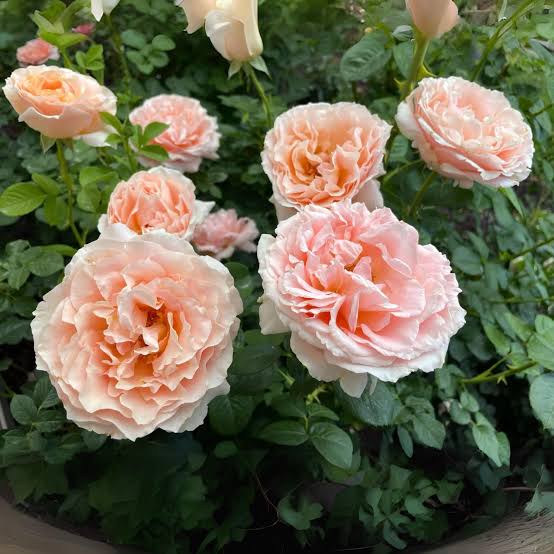
Key Features
- Cream-colored rose blooms create a soft, romantic look in home gardens.
- Climbing growth habit makes it suitable for trellises, arches, fences, and garden supports.
- Rose foliage provides attractive greenery that complements cottage and traditional garden designs.
- Ideal for gardeners who enjoy growing roses from seed and nurturing plants from an early stage.
- Can add vertical interest and classic floral charm to outdoor spaces.
Growing Benefits
- Creates beautiful vertical interest along garden structures and supports.
- Adds elegant cream-toned flowers to cottage-style and ornamental gardens.
- Offers an enjoyable seed-to-flower gardening experience for rose enthusiasts.
- Works well around trellises, arches, fences, and other garden features.
- Provides flowers that can enhance outdoor garden displays and landscapes.
Seed Specifications
- Common Name: Cream Climbing Rose
- Botanical Name: Rosa spp.
- Plant Type: Woody perennial climbing rose
- Colors: Cream to soft ivory flowers; green foliage
- Height: Varies by cultivar and growing conditions; climbing roses may reach several feet
- Sunlight: Full sun
- Soil: Fertile, well-drained soil enriched with organic matter
- Water: Regular, deep watering while avoiding waterlogged soil
- Germination Time: Variable and often slow or uneven because rose seeds commonly require cold stratification
- Sowing Depth: Shallowly covered with a light layer of growing medium
- Spacing: Allow ample room for mature climbing growth and air circulation
- Growing Zones: Generally suitable across a broad range depending on the specific rose cultivar
- Flowering/Maturity: Seed-grown roses may take multiple growing seasons to reach flowering maturity
- Uses: Trellises, arches, fences, pergolas, cottage gardens, borders, and ornamental landscapes
Growing Tips
- Use fresh, well-draining seed-starting medium to encourage healthy root development.
- Give rose seeds appropriate cold stratification before sowing to help break seed dormancy.
- Introduce seedlings to outdoor conditions gradually after they become well established.
- Provide sturdy support early so developing climbing growth can be trained neatly.
Seed Storage
Keep unused seeds in their original sealed packet or an airtight container. Store them in a cool, dry, dark location away from moisture, heat, and direct sunlight. Label the packet with the variety and storage date.
Unique Facts About Seeds
- Rose seeds are enclosed within rose hips, the fruit that develops after successful pollination.
- Many rose seeds have natural dormancy and may benefit from a period of cold, moist stratification before germination.
- Roses grown from seed may not produce flowers identical to the parent plant because roses can vary genetically.
- Climbing roses are woody plants that use long canes to grow vertically when given suitable support.