


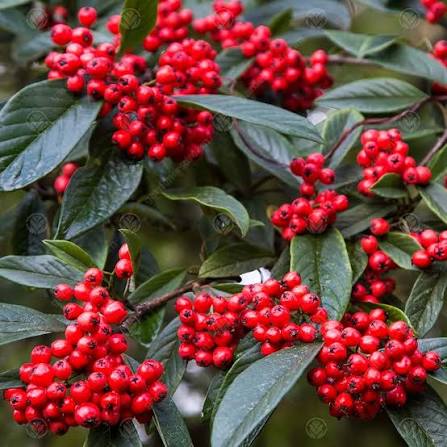
Grow Cotoneaster from heirloom non-GMO seeds for attractive foliage, delicate flowers, and ornamental berries. A versatile woody shrub for borders, hedges, rock gardens, slopes, containers, and natural-style landscapes.
Key Features
- Produces attractive green foliage with delicate seasonal flowers.
- Many types develop colorful ornamental berries after flowering.
- Useful for borders, rock gardens, slopes, hedges, and landscape displays.
- Adaptable shrub group with upright, spreading, or trailing growth habits.
- Provides seasonal interest through foliage, flowers, and fruit displays.
Growing Benefits
- Adds year-round or seasonal texture to ornamental landscapes.
- Creates attractive berry displays that brighten garden spaces.
- Works well for borders, slopes, rock gardens, and mixed plantings.
- Offers varied growth forms for different landscape designs.
- Provides a rewarding long-term growing project from seed.
Seed Specifications
- Common Name: Cotoneaster
- Botanical Name: Cotoneaster spp.
- Plant Type: Woody shrub or low-growing perennial shrub
- Flower Colors: White or pale pink depending on species
- Fruit Colors: Red, orange, yellow, or dark shades depending on species
- Foliage: Small green leaves; some types develop seasonal color
- Growth Habit: Upright, spreading, mounding, or trailing depending on species
- Height: Highly variable, from low groundcovers to several-foot shrubs
- Sunlight: Full sun to partial shade
- Soil: Well-drained, moderately fertile soil
- Water: Moderate; regular moisture during establishment
- Germination Time: Variable; seeds may require a prolonged period of stratification
- Sowing Depth: Approximately ¼–½ inch or according to seed size
- Spacing: Depends on the selected species and mature growth habit
- Growing Zones: Varies widely by species; many types are hardy across USDA Zones 4–9
- Flowering/Maturity: Small flowers generally appear in spring or early summer, followed by ornamental fruit on many species
- Uses: Borders, hedges, rock gardens, slopes, groundcover plantings, containers, wildlife-friendly landscapes, and ornamental gardens
Growing Tips
- Choose a location with good drainage and adequate sunlight.
- Be patient because Cotoneaster seeds can have prolonged or uneven germination.
- Provide enough space for the mature growth habit of the selected species.
- Prune established plants according to their species and desired landscape shape.
Seed Storage
Store unused seeds in a cool, dry, dark location. Keep them sealed in their original packet or an airtight container away from moisture, heat, and direct sunlight.
Important Growing Note
Cotoneaster is a large genus containing many shrubs and groundcover species with different heights, growth habits, fruit colors, hardiness, and germination requirements. Seeds may require extended dormancy treatment, and seed-grown plants can vary from the parent. Check the packet for species-specific information.
Unique Facts About Seeds
- Cotoneaster belongs to the Rosaceae family, which also includes roses, apples, and pears.
- Many species produce small white or pinkish flowers followed by ornamental berries.
- Cotoneaster includes both low-growing groundcovers and upright shrub forms.
- Some Cotoneaster species can spread beyond intended garden areas, so local planting recommendations should be checked before growing.