


Key Features
-
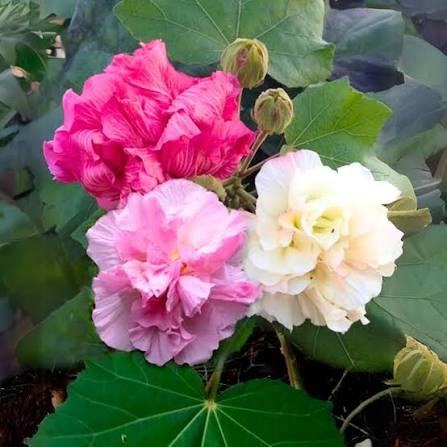
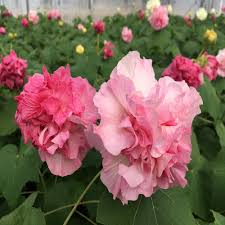
Color-Changing Blossoms: Flowers naturally transition from white or pale pink to deeper rose-pink shades.
-
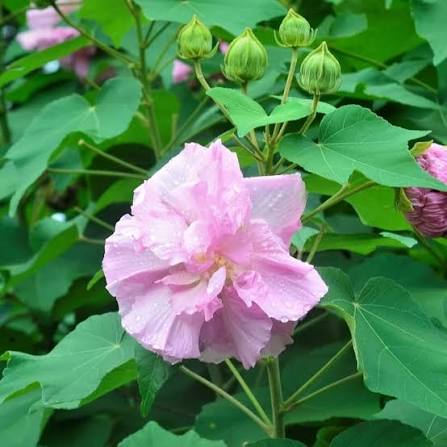
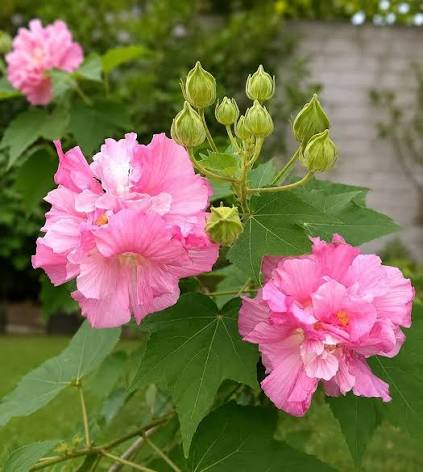
Large Ornamental Flowers: Produces showy hibiscus-like blooms with an attractive seasonal appearance.
-
Lush Green Foliage: Features broad, palmately lobed leaves that complement the flowers.
-
Upright Shrub Structure: Develops branching stems and a substantial ornamental growth habit.
-
Traditional Garden Appeal: Suitable for cottage gardens, flowering borders, and specimen plantings.
Growing Benefits
-
Multicolored Flower Display: Blossoms at different stages may show several shades on the same plant.
-
Late-Season Garden Color: Flowers commonly appear during late summer and autumn.
-
Landscape Height and Structure: Mature shrubs add vertical interest to ornamental plantings.
-
Pollinator Garden Interest: Open flowers may attract bees and other visiting insects.
-
Seasonal Perennial Growth: Established plants may return after winter dormancy in suitable climates.
Seed Specifications
-
Common Name: Confederate Rose, Cotton Rose, Confederate Rose Hibiscus
-
Botanical Name: Hibiscus mutabilis
-
Plant Family: Malvaceae
-
Type: Ornamental Flowering Shrub
-
Plant Type: Deciduous Shrub or Small Tree
-
Variety: Species Form; Cultivar Not Specified
-
Flower Color: White, Pale Pink, Rose Pink, and Reddish Pink
-
Flower Shape: Large Hibiscus-Like Blossoms
-
Foliage Color: Green
-
Leaf Shape: Broad, Palmately Lobed
-
Plant Height: Approximately 6–15 Feet
-
Plant Spread: Approximately 6–10 Feet
-
Growth Habit: Upright, Branching, Shrub-Like
-
Sunlight: Full Sun to Partial Shade
-
Soil: Fertile, Well-Draining Garden Soil
-
Soil pH: Approximately 6.0–7.5
-
Water Requirements: Moderate; Regular Moisture During Establishment
-
Germination Time: Approximately 14–30 Days Under Favorable Conditions
-
Germination Temperature: Approximately 70–80°F
-
Sowing Depth: Approximately ¼ Inch
-
Plant Spacing: Approximately 6–10 Feet
-
USDA Growing Zones: Approximately 7–11, Depending on Winter Conditions
-
Planting Season: Spring After Frost Risk Has Passed
-
Flowering Season: Late Summer to Autumn
-
Maturity: Flowering May Begin During the First or Subsequent Growing Seasons
-
Native Region: China
-
Uses: Cottage Gardens, Ornamental Borders, Flowering Shrub Collections, and Landscape Specimens
-
Seed Count Per Pack: Confirm Actual Quantity
-
Special Characteristics: Age-Related Flower Color Changes and Large Seasonal Blooms
-
Seed-Grown Variation: Flower Form, Color Intensity, and Mature Size May Vary
Growing Tips
-
Choose a Spacious Location: Allow sufficient room for the shrub's mature branching structure.
-
Provide Bright Sunlight: Full sun generally supports vigorous growth and seasonal flowering.
-
Maintain Consistent Moisture: Water regularly during establishment and extended dry periods.
-
Protect Young Plants From Frost: Provide winter protection in colder growing regions.
-
Prune When Appropriate: Remove damaged or unwanted stems during late winter or early spring.
-
Expect Natural Variation: Seed-grown plants may differ in flower form, color intensity, and mature size.
Seed Storage
-
Cool Storage: Keep seeds in a cool location away from excessive heat.
-
Dry Conditions: Store thoroughly dried seeds in sealed, moisture-resistant containers.
-
Light Protection: Avoid prolonged direct sunlight.
-
Proper Labeling: Record the botanical name, seed lot, and storage date.
-
Seed Viability: Check older seeds for germination before planning larger sowings.
Unique Facts About the Seeds
-
Not a True Rose: Confederate Rose belongs to the Malvaceae family rather than the rose family, Rosaceae.
-
Naturally Changing Flower Colors: Blossoms commonly deepen from white to pink as they mature.
-
Several Shades on One Plant: Flowers at different stages may create a naturally multicolored appearance.
-
Traditional Southern Garden Plant: The species is widely associated with ornamental landscapes in the southeastern United States.
-
Natural Seedling Diversity: Seed-grown plants may vary in flower form, color intensity, and mature size.