


Key Features
-
Hardy Native Evergreen: Common Yucca (Yucca filamentosa), also known as Adam's Needle, is a perennial evergreen native to the southeastern United States. Its bold foliage and impressive flowering stalks make it an attractive choice for native gardens, rock gardens, and ornamental landscapes.
-
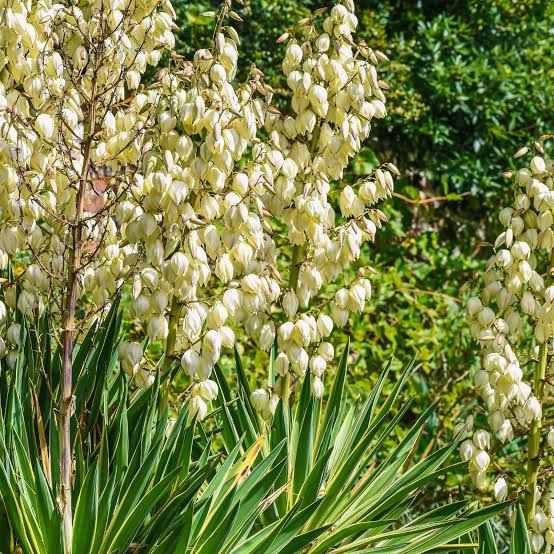
Distinctive Sword-Shaped Leaves: Produces long, rigid, green to blue-green leaves arranged in dense basal rosettes. Fine, curling white fibers along the leaf margins create a unique ornamental appearance.
-
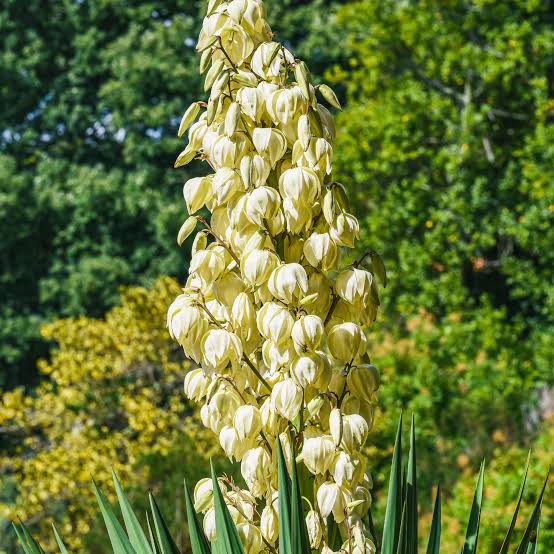
Spectacular Creamy White Flowers: Mature plants develop tall, upright flower stalks carrying numerous bell-shaped, creamy white flowers, occasionally with subtle greenish markings. These blossoms create a dramatic display above the foliage.
-
Excellent Cold and Drought Tolerance: Once established, Common Yucca tolerates dry conditions and winter cold, making it suitable for a wide range of US gardens.
-
Low-Maintenance Ornamental Growth: Forms attractive evergreen clumps that gradually spread through offsets. Its architectural foliage provides lasting garden structure throughout the seasons.
Growing Benefits
-
Year-Round Garden Beauty: Evergreen foliage provides attractive structure, texture, and visual interest even during winter.
-
Water-Wise Landscaping: Established plants tolerate periods of drought, reducing the need for frequent supplemental irrigation.
-
Beautiful Summer Flowering: Tall flower stalks covered with creamy white blossoms create a striking seasonal display in sunny landscapes.
-
Supports Native Wildlife: Flowers are associated with specialized yucca moth pollination and contribute to native garden biodiversity.
-
Versatile Landscape Uses: Suitable for rock gardens, sunny borders, dry slopes, cottage gardens, and native plant landscapes.
Seed Specifications
-
Common Name: Common Yucca, Adam's Needle, Thread-and-Needle
-
Botanical Name: Yucca filamentosa
-
Plant Family: Asparagaceae
-
Type: Hardy Evergreen Ornamental Garden Plant
-
Plant Type: Perennial Evergreen Shrub
-
Variety: Species Form
-
Flower Colors: Creamy White to Ivory
-
Foliage Color: Green to Blue-Green
-
Height: Approximately 2–3 feet for foliage; flowering stalks may reach 5–8 feet
-
Spread: Approximately 3–5 feet
-
Sunlight: Full Sun to Partial Shade
-
Soil: Sandy, Loamy, Gravelly, Well-Draining Soil
-
Soil pH: Approximately 5.5–7.5
-
Water: Low to Moderate; drought tolerant once established
-
Germination Time: Approximately 2–8 weeks under favorable conditions; variable by seed lot
-
Germination Temperature: Approximately 70–80°F
-
Sowing Depth: Approximately ¼ inch
-
Plant Spacing: Approximately 3–5 feet
-
Growing Zones: Generally USDA Zones 4–10, depending on local conditions and drainage
-
Planting Season: Spring to Early Summer
-
Flowering Season: Late Spring to Summer
-
Growth Habit: Clump-Forming, Rosette-Forming Evergreen Perennial
-
Native Region: Southeastern United States
-
Uses: Ornamental Borders, Rock Gardens, Native Landscapes, Xeriscaping, and Dry Garden Plantings
-
Seed Count Per Pack: 100 pcs
-
Special Characteristics: Cold Hardy, Drought Tolerant, Evergreen, Fibrous Leaf Margins, Showy Flowers
-
Safety Note: Leaves have pointed tips; position plants away from narrow walkways and play areas.
Growing Tips
-
Choose a Sunny Location: Plant Common Yucca in an area receiving at least six hours of direct sunlight daily. Full sun encourages sturdy foliage, healthy rosette development, and abundant flowering in mature plants.
-
Prioritize Excellent Drainage: Use sandy, gravelly, or loose loamy soil that drains quickly. Avoid prolonged waterlogging, especially during winter, to protect the roots and crown.
-
Water Carefully During Establishment: Maintain moderate moisture while seedlings develop their roots. Once established, reduce irrigation and allow the soil to dry between waterings.
-
Allow Room for Mature Growth: Common Yucca gradually develops broad rosettes and may produce offsets. Provide sufficient space for spreading foliage and avoid narrow walkways.
-
Avoid Excessive Fertilization: Common Yucca thrives in relatively lean soils. Heavy fertilizer applications are unnecessary and may encourage weak growth.
-
Maintain Healthy Evergreen Foliage: Remove completely dried or damaged leaves when necessary. Avoid excessive pruning of healthy foliage, and wear protective gloves when handling plants.
Seed Storage
-
Cool Storage: Keep Common Yucca seeds in a cool, stable environment away from direct sunlight and excessive heat.
-
Dry Conditions: Store thoroughly dried seeds in airtight containers or moisture-resistant packets to maintain seed quality.
-
Moisture Protection: Avoid excessive humidity and condensation, which can encourage mold and seed deterioration.
-
Seed Identification: Label seed containers with the botanical name, collection date, and storage information.
-
Long-Term Preservation: Maintain seeds under consistently cool, dry conditions and test older seed lots before large-scale sowing.
Unique Facts About the Seeds
-
Named for Its Leaf Fibers: The botanical name filamentosa refers to the thread-like fibers that curl from the edges of its leaves.
-
Traditional Fiber Plant: Indigenous peoples historically used yucca leaf fibers for making cordage and other practical materials.
-
Naturally Trunkless Growth: Unlike tree-forming yuccas, Common Yucca typically produces low, trunkless rosettes that can gradually develop into attractive clumps.
-
Specialized Yucca Moth Relationship: Common Yucca participates in a remarkable pollination relationship with specialized yucca moths, which transfer pollen between flowers.
-
Distinctive Seed Capsules: Successfully pollinated flowers develop dry capsules containing flattened, dark seeds that can be collected for propagation.