


Key Features
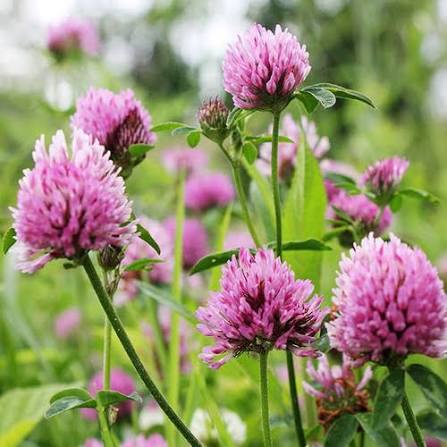
- Produces attractive trifoliate green leaves and small rounded flower clusters.
- Low-growing habit makes clover suitable for lawns, ground cover, borders, and meadows.
- Flowers provide a useful nectar source for bees and other pollinating insects.
- Adaptable plant that can grow in full sun to partial shade.
- Well suited to cottage gardens, naturalized areas, and pollinator-friendly landscapes.
Growing Benefits
- Adds lush green texture to garden and lawn spaces.
- Supports pollinating insects when plants are in bloom.
- Can improve soil fertility through its relationship with nitrogen-fixing bacteria.
- Useful for creating natural-looking ground cover.
- Provides a relatively low-maintenance option for suitable garden areas.
Seed Specifications
- Common Name: Clover
- Botanical Name: Trifolium spp.
- Plant Type: Herbaceous annual or perennial, depending on species
- Colors: Green foliage with white, pink, red, or purple flowers depending on species
- Height: Approximately four inches to two feet, depending on species
- Sunlight: Full sun to partial shade
- Soil: Well-drained, moderately fertile soil
- Water: Moderate; keep soil evenly moist during establishment
- Germination Time: Approximately seven to fourteen days under favorable conditions
- Sowing Depth: Surface sow or cover very lightly
- Spacing: Approximately four to twelve inches, depending on species and intended use
- Growing Zones: Varies by species
- Flowering/Maturity: Flowering generally occurs from spring through summer, depending on species and climate
- Uses: Lawns, ground cover, meadows, cottage gardens, borders, pollinator gardens, and naturalized landscapes
Growing Tips
- Scatter the small seeds over prepared soil and press them gently into the surface.
- Keep the soil evenly moist while seeds germinate and seedlings establish.
- Choose a sunny to partially shaded location with good drainage.
- Avoid planting the seeds deeply because clover seeds germinate best near the soil surface.
Seed Storage
Store unused seeds in a cool, dry, dark place. Keep them sealed in their original packet or an airtight container away from moisture, heat, and direct sunlight.
Unique Facts About Seeds
- Clover belongs to the Fabaceae family, which includes peas and beans.
- Many clover species form relationships with nitrogen-fixing bacteria associated with their roots.
- Clover leaves are typically divided into three leaflets, giving the plant its familiar appearance.
- Different clover species produce flowers in several colors, including white, pink, red, and purple.