


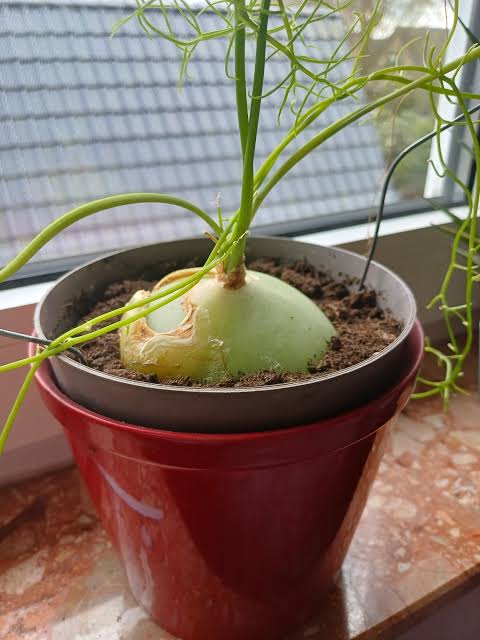
Key Features
- Produces clusters of small onion bulbs on tall, upright flower stalks
- Known as Egyptian Walking Onion or Tree Onion in home gardens
- Forms underground bulbs along with aerial bulbils for unusual propagation
- Hardy perennial onion that can return and multiply under suitable conditions
- Excellent choice for edible gardens, raised beds, borders, and containers
Growing Benefits
- Adds a unique perennial onion to your vegetable garden
- Provides an interesting self-propagating growth habit
- Offers multiple planting opportunities from underground bulbs and aerial bulbils
- Requires relatively little space when grown vertically
- Suitable for gardeners interested in unusual and traditional vegetables
Seed Specifications
- Common Name: Climbing Onion, Egyptian Walking Onion, Tree Onion; Botanical Name: Allium × proliferum
- Plant Type: Perennial bulb-forming onion
- Colors: Green foliage with white to pinkish flower clusters and small bulbils that may develop reddish-brown or coppery skins
- Height: Approximately twenty-four to thirty-six inches; Sunlight: Full sun to partial shade
- Soil: Fertile, loose, well-drained soil; Water: Moderate and consistent moisture without waterlogging
- Germination Time: Variable because this plant is commonly propagated from bulbs or bulbils rather than true seed; Sowing Depth: If true seeds are supplied, follow the seed packet directions because germination and establishment can vary
- Spacing: Approximately six to twelve inches apart; Growing Zones: Generally suited to USDA Zones three to nine; Flowering/Maturity: Produces aerial bulbils during the growing season and may establish perennial clumps; Uses: Culinary onion, green shoots, cooking, salads, garnishes, and perennial vegetable gardens
Growing Tips
- Choose a sunny location with loose, well-drained soil for healthy growth.
- Give plants enough space for underground bulbs and expanding perennial clumps.
- Keep soil moderately moist during active growth but avoid standing water.
- Allow aerial bulbils to develop and fall naturally if you want the plant to spread.
Seed Storage
Store unused seeds in a cool, dry, dark location away from sunlight and moisture. Keep them in an airtight or moisture-resistant container and protect them from heat and humidity.
Unique Facts About Seeds
- Climbing onion is commonly associated with Egyptian walking onion and tree onion.
- The plant can produce small aerial bulbils that develop on the tops of stalks instead of relying only on underground bulbs.
- When mature bulbils bend the stalks toward the ground, they can root and establish new plants, creating its distinctive “walking” habit.
- It is a perennial member of the onion genus Allium.