


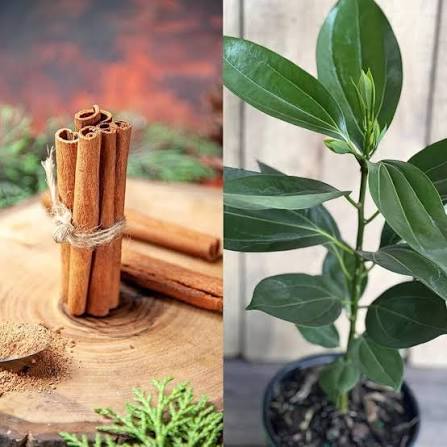
Grow Cinnamon Herb from heirloom non-GMO seeds for attractive foliage and a distinctive aromatic garden presence. Ideal for herb gardens, containers, raised beds, kitchen gardens, patios, and cottage-style planting spaces.
Key Features
-
Produces attractive foliage with an aromatic garden character.
-
Heirloom, non-GMO seeds for home garden growing.
-
Ideal for herb gardens, containers, raised beds, and patios.
-
Adds distinctive fragrance and greenery to garden spaces.
-
Suitable for gardeners seeking unusual aromatic plants.
Growing Benefits
-
Adds aromatic greenery to kitchen and herb gardens.
-
Works well in containers and raised garden beds.
-
Creates attractive foliage for cottage-style garden spaces.
-
Offers an engaging project for herb-growing enthusiasts.
-
Complements other aromatic plants in mixed garden displays.
Seed Specifications
-
Common Name: Cinnamon Herb
-
Botanical Name: Verify the botanical species supplied with the seed
-
Plant Type: Varies according to species
-
Foliage: Green and aromatic, depending on species
-
Flower Color: Varies according to species
-
Flower Shape: Varies according to species
-
Growth Habit: Upright, bushy, or spreading depending on variety
-
Sunlight: Full sun to partial shade, depending on species
-
Soil: Loose, fertile, well-drained soil
-
Water: Moderate; maintain consistent moisture during establishment
-
Germination Time: Approximately 7–21 days under favorable conditions
-
Sowing Depth: Surface sow or cover lightly according to seed size
-
Spacing: Approximately 8–18 inches depending on mature plant size
-
Growing Zones: Varies according to botanical species and local climate
-
Flowering/Maturity: Varies according to species and growing conditions
-
Uses: Herb gardens, containers, raised beds, kitchen gardens, patios, cottage gardens, and aromatic plantings
Growing Tips
-
Use fresh seed and a loose, well-drained seed-starting mix.
-
Sow seeds shallowly and avoid covering very small seeds deeply.
-
Provide bright light after germination for sturdy seedling growth.
-
Confirm the botanical identity before harvesting for culinary or herbal use.
Growing Instructions
Planting Season: Sow during the recommended growing season for the specific Cinnamon Herb species. In cooler climates, start seeds indoors before outdoor conditions become suitable.
Sowing: Fill seed trays or small pots with a quality, well-drained seed-starting mix. Sow seeds according to their size and cover lightly when appropriate.
Depth: Surface sow very small seeds or cover larger seeds with a thin layer of growing medium.
Spacing: Thin or transplant seedlings to approximately 8–18 inches apart, depending on the mature size of the supplied variety.
Sunlight: Provide full sun to partial shade according to the specific botanical species. Bright light generally encourages healthy foliage.
Soil: Use loose, fertile, well-drained soil enriched with organic matter. Avoid areas that remain waterlogged.
Watering: Keep soil evenly moist during germination and early growth. Once established, water when the upper soil begins to dry.
Germination: Seeds commonly germinate within approximately 7–21 days under favorable conditions. Temperature, moisture, light, and seed freshness can influence germination.
Thinning: Thin crowded seedlings after they develop true leaves, leaving the strongest plants with enough room to develop.
Transplanting: Harden indoor-grown seedlings gradually before moving them outdoors. Transplant carefully to minimize disturbance to young roots.
Fertilizing: Incorporate compost or well-aged organic matter before planting. Feed established plants with a balanced fertilizer only when needed according to soil conditions and product directions.
Care: Keep weeds controlled around young plants and provide good airflow. Remove damaged foliage and maintain suitable moisture throughout active growth.
Flowering/Maturity: Flowering and maturity depend on the exact botanical species and growing conditions. Allow plants to become well established before taking substantial amounts of foliage.
Harvesting: Harvest healthy foliage selectively from established plants using clean scissors or garden shears. Only use the plant for culinary purposes after confirming its botanical identity and suitability for consumption.
Container Growing: Use containers with drainage holes and a quality potting mix. Select a container suitable for the mature size of the specific species.
Winter Care: Protect tender plants from frost and prolonged cold. Move container-grown specimens to a sheltered location when temperatures become unsuitable.
Seed Storage
Store unused seeds in a cool, dry, dark location. Keep them sealed in their original packet or an airtight container away from moisture, heat, and direct sunlight. Fresh seed is generally preferable for reliable germination.
Important Growing Note
The common name “Cinnamon Herb” is not a standardized botanical identity and may be used for different aromatic plants. It should not automatically be confused with the cinnamon spice trees of the genus Cinnamomum. Verify the exact botanical name supplied with the seeds before making specific claims about fragrance, culinary use, hardiness, or plant characteristics.
Unique Facts
-
“Cinnamon” can describe an aroma, flavor, foliage characteristic, or common plant name rather than a single botanical species.
-
Different plants sold under similar common names can have very different growing requirements.
-
Confirming the botanical name helps gardeners select the correct soil, light, watering, and climate conditions.
-
Aromatic plants can add fragrance and textural interest to herb and cottage gardens.