



Key Features
-
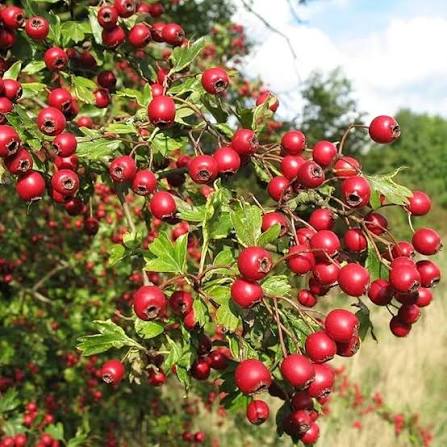
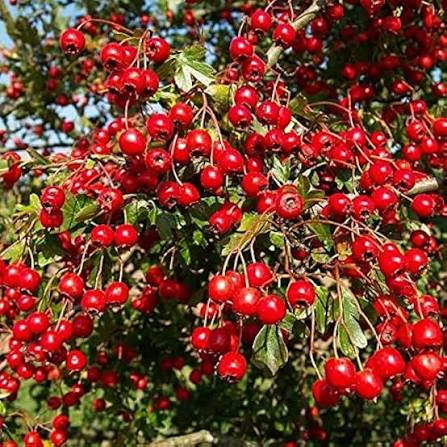
Unique Asian Fruit Tree: Chinese Hawthorn (Crataegus pinnatifida) is a deciduous fruit-bearing tree native to East Asia, valued for its ornamental beauty and edible red fruits.
-
Fruit Characteristics: Produces small, round, bright red fruits with a tart, slightly sweet flavor and firm flesh.
-
Plant Characteristics: Develops into a small to medium-sized tree with deeply lobed green leaves, thorny branches, and clusters of white flowers.
-
Garden Uses: Suitable for home orchards, edible landscapes, ornamental gardens, and specialty fruit tree collections.
-
Special Feature: Its fruits are traditionally used in Chinese candied fruit snacks, preserves, sauces, and beverages.
Growing Benefits
-
Edible Fruit Harvests: Grow distinctive red hawthorn fruits for traditional culinary preparations.
-
Ornamental Garden Beauty: Enjoy clusters of white spring flowers, attractive green foliage, and colorful autumn fruits.
-
Seasonal Landscape Interest: Adds beauty to gardens through spring flowering, summer foliage, and autumn fruit development.
-
Traditional Culinary Uses: Harvest ripe fruits for jams, jellies, fruit preserves, and cooked desserts.
-
Long-Term Garden Value: Establish a perennial fruit tree that can provide seasonal harvests for many years under suitable conditions.
Seed Specifications
-
Common Name: Chinese Hawthorn, Chinese Hawberry, Chinese Haw
-
Botanical Name: Crataegus pinnatifida
-
Plant Family: Rosaceae
-
Plant Type: Deciduous perennial fruit tree
-
Colors: Bright red fruits, white flowers, green foliage with autumn color
-
Height: Approximately fifteen to twenty-five feet, depending on growing conditions
-
Sunlight: Full sun to partial shade; full sun encourages flowering and fruiting
-
Soil: Fertile, well-drained loamy or sandy-loam soil
-
Water: Moderate watering during establishment; established trees tolerate occasional dry periods
-
Germination Time: Variable; seeds may require several months of dormancy treatment and can take a year or longer to germinate
-
Sowing Depth: Approximately one-quarter to one-half inch
-
Spacing: Approximately fifteen to twenty feet between mature trees
-
Growing Zones: Generally USDA zones four through eight, depending on local conditions
-
Flowering/Maturity: White flowers appear in spring, followed by fruits that typically mature in autumn; seed-grown trees may take several years to begin fruiting
-
Uses: Fresh fruit preparations, jams, jellies, candied fruits, ornamental landscaping, edible gardens, and home orchards
Growing Tips
-
Stratify Seeds: Chinese Hawthorn seeds often have complex dormancy and may require warm followed by cold stratification before germination.
-
Provide Full Sun: Choose a sunny location receiving at least six hours of direct sunlight daily.
-
Maintain Good Drainage: Grow in fertile, well-drained soil and avoid prolonged waterlogging.
-
Allow Growing Space: Provide enough room for the mature canopy and thorny branches.
Seed Storage
Store Chinese Hawthorn seeds in a clean, labeled container in a cool, dry location away from excessive heat and direct sunlight until they are ready for dormancy treatment. Seeds intended for stratification should be placed in a suitable slightly moist medium under controlled conditions. Avoid excessive moisture that may cause mold. Because hawthorn seeds can have prolonged dormancy, proper handling and patience are important for successful propagation.
Unique Facts About Seeds
-
Traditional Chinese Fruit: Chinese Hawthorn fruits are known as Shan Zha and have a long history of culinary use in East Asia.
-
Famous Candied Snack: The fruits are commonly used to prepare Tanghulu, a traditional Chinese snack featuring fruit coated in hardened sugar syrup.
-
Natural Seed Dormancy: Hawthorn seeds have hard protective structures and physiological dormancy that can delay germination.
-
Not a True Berry: Although commonly called hawthorn berries, the fruits are botanically classified as pomes, similar in structure to apples.