


Key Features
-
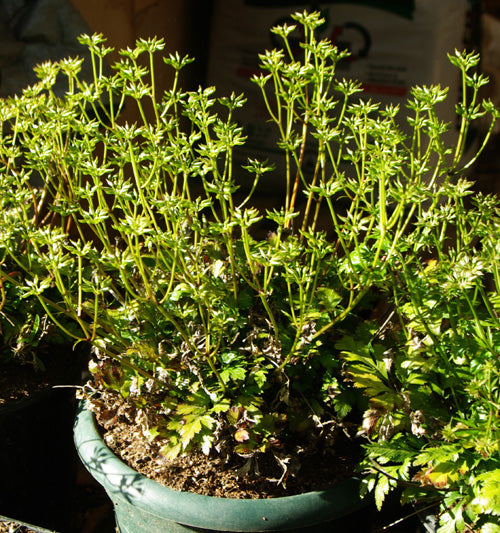
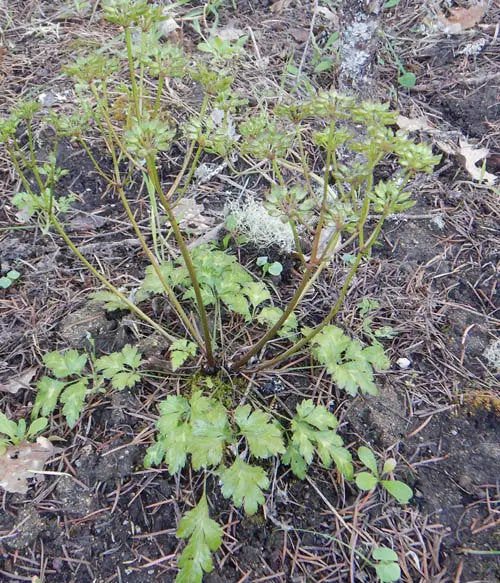
Botanical variety: Chinese Coptis (Coptis chinensis), a perennial woodland herb.
-
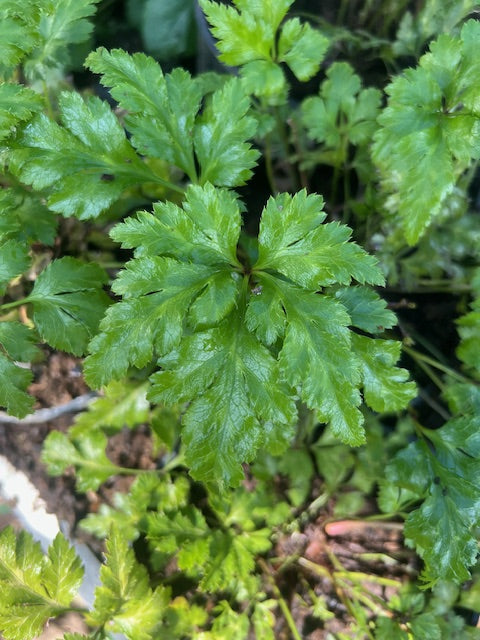
Features glossy green leaves with delicate, yellow flowers.
-
Produces distinctive golden-yellow rhizomes beneath the soil.
-
Thrives in cool, shaded garden areas with moist soil.
-
Suitable for shaded borders, woodland gardens, and botanical collections.
Growing Benefits
-
Adds attractive evergreen foliage to shaded garden spaces.
-
Offers a distinctive herb for botanical and medicinal plant collections.
-
Provides an opportunity to explore traditional Asian medicinal plants.
-
Grows as a perennial, returning year after year in suitable conditions.
-
Suits gardeners interested in cultivating unusual woodland herbs.
Seed Specifications
-
Common Name: Chinese Coptis, Chinese Goldthread
-
Botanical Name: Coptis chinensis
-
Plant Type: Perennial herb
-
Colors: Green foliage, yellow flowers, golden-yellow rhizomes
-
Height: Approximately six to twelve inches
-
Sunlight: Partial to full shade
-
Soil: Moist, humus-rich, well-drained soil
-
Water: Regular moisture without waterlogging
-
Germination Time: Variable; may require a prolonged cold stratification period
-
Sowing Depth: Surface-sow or cover very lightly
-
Spacing: Approximately six to twelve inches apart
-
Growing Zones: Generally suited to USDA zones four through eight
-
Flowering/Maturity: Flowers in spring; mature plants develop rhizomes over several growing seasons
-
Uses: Woodland gardens, shaded borders, botanical collections, and traditional medicinal plant cultivation
Growing Tips
-
Choose a naturally shaded location with protection from strong afternoon sunlight.
-
Keep the soil consistently moist while ensuring excess water can drain away.
-
Use fresh seeds whenever possible, as stored seeds may lose viability.
-
Be patient with germination and early growth, which can be slow and irregular.
Seed Storage
Store seeds in a cool, dry location away from direct sunlight. Keep them in a labeled, airtight container until sowing. Chinese Coptis seeds can lose viability during storage, so sowing fresh seeds is recommended.
Unique Facts About Chinese Coptis Seeds
-
Chinese Coptis belongs to the buttercup family, Ranunculaceae.
-
Its common name, Chinese Goldthread, refers to its golden-yellow rhizomes.
-
The plant is native to China, where it grows in shaded, mountainous woodland habitats.
-
Its seeds have dormancy requirements that can make germination slow and unpredictable.