


Key Features
- Classic Chicory Variety: Cichorium intybus is valued for its deep taproot and attractive blue flowers.
- Beautiful Blue Blooms: Produces daisy-like, sky-blue flowers that brighten borders and naturalized garden areas.
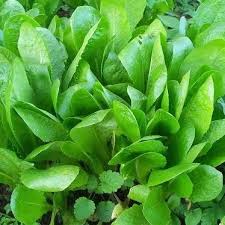
- Distinctive Plant Form: Upright growth with toothed green foliage and a strong, elongated root system.
- Versatile Garden Use: Suitable for cottage gardens, wildflower areas, borders, and pollinator-friendly plantings.
- Easy Garden Addition: A hardy plant that can establish well in suitable soils with adequate sunlight and drainage.
Growing Benefits
- Adds graceful blue flowers and attractive foliage to garden spaces.
- Provides an interesting perennial plant for cottage-style and naturalized gardens.
- Deep-rooted growth makes chicory an appealing choice for established garden beds.
- Offers both ornamental interest and traditional culinary uses.
- A rewarding choice for gardeners interested in growing classic heritage plants.
Seed Specifications
- Common Name: Chicory, Common Chicory, Blue Chicory
- Botanical Name: Cichorium intybus
- Plant Type: Herbaceous perennial, often grown as a biennial or annual crop
- Colors: Blue flowers; green foliage
- Height: Typically about two to five feet
- Sunlight: Full sun to partial shade
- Soil: Well-drained, moderately fertile soil
- Water: Moderate; keep young plants evenly moist
- Germination Time: Approximately seven to twenty-one days
- Sowing Depth: About one-quarter inch deep
- Spacing: About eight to twelve inches apart
- Growing Zones: Generally suitable for USDA Zones three through ten
- Flowering/Maturity: Flowers mainly from summer into early fall; root maturity varies with growing conditions and intended use
- Uses: Garden borders, cottage gardens, naturalized areas, edible greens, roots, and traditional herbal uses
Growing Tips
- Sow seeds in well-drained soil where plants can receive plenty of sunlight.
- Keep the seedbed consistently moist but avoid waterlogged conditions.
- Thin young seedlings early to provide enough room for healthy root development.
- Remove unwanted flower heads if you want to reduce natural reseeding in the garden.
Seed Storage
Store unused chicory seeds in a cool, dry, dark location. Keep them in a tightly sealed, moisture-resistant container away from heat and humidity. Properly stored seeds generally maintain better viability than seeds exposed to moisture, light, and temperature fluctuations.
Unique Facts About Seeds
- Chicory belongs to the Asteraceae family, the same botanical family as lettuce, daisies, and sunflowers.
- Its botanical name, Cichorium intybus, refers to a plant traditionally cultivated for both its leaves and roots.
- Chicory produces distinctive blue flower heads that commonly open during daylight and may close later in the day.
- The plant develops a long taproot, which is one reason chicory has been valued as both a garden plant and root crop.