


Grow Chestnut Tree from heirloom non-GMO seeds for attractive green foliage and a classic deciduous tree form. Ideal for orchards, edible landscapes, woodland gardens, spacious properties, and temperate growing regions.
Key Features
-
Produces attractive green foliage on a long-lived deciduous tree.
-
Develops a strong, spreading form as the tree matures.
-
Heirloom, non-GMO seed choice for home gardeners and growers.
-
Ideal for orchards, edible landscapes, woodland gardens, and spacious yards.
-
Performs best in full sun with fertile, well-drained soil.
-
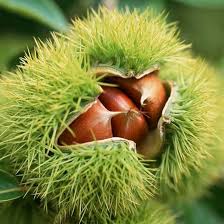
Mature trees can produce spiny husks containing chestnuts.
Growing Benefits
-
Adds lasting structure and seasonal interest to landscapes.
-
Creates a natural woodland character as the tree develops.
-
Offers an engaging long-term project for tree growers.
-
Suitable for spacious properties and orchard-style plantings.
-
Can provide nuts when the correct species and suitable growing conditions are present.
Seed Specifications
-
Common Name: Chestnut Tree
-
Botanical Name: Castanea spp.
-
Plant Type: Deciduous perennial tree
-
Family: Fagaceae
-
Foliage Color: Green, turning yellow, bronze, or brown in autumn depending on species and climate
-
Flower Color: Cream to pale yellow
-
Flower Shape: Long, narrow catkins
-
Fruit: Nuts enclosed within spiny husks
-
Growth Habit: Upright, spreading, and broad-canopied with maturity
-
Sunlight: Full sun
-
Soil: Fertile, deep, loose, well-drained soil
-
Water: Moderate and consistent during establishment
-
Germination Time: Approximately 3–8 weeks under favorable conditions
-
Sowing Depth: Approximately 1–2 inches
-
Spacing: Allow substantial room for mature canopy and root development
-
Growing Zones: Generally USDA Zones 4–8, depending on the species
-
Flowering/Maturity: Flowers appear after sufficient establishment; seed-grown trees may require several years before producing nuts
-
Uses: Orchards, edible landscapes, woodland gardens, shade plantings, large properties, and ornamental tree displays
Growing Tips
-
Plant fresh chestnut seeds because viability can decline during storage.
-
Provide a well-drained growing medium and consistent moisture during establishment.
-
Choose a sunny location with plenty of room for mature growth.
-
Protect young trees from rodents and other animals that may damage or consume developing seeds and seedlings.
Seed Storage
Chestnut seeds are best kept cool and moist rather than allowed to dry completely. Store fresh seeds in a cool, protected environment with suitable humidity, such as a breathable medium under refrigerated conditions when appropriate. Do not freeze seeds unless species-specific guidance confirms that freezing is suitable.
Important Growing Note
The name Chestnut Tree can refer to several species within the Castanea genus, including American chestnut (Castanea dentata), European chestnut (Castanea sativa), Chinese chestnut (Castanea mollissima), and Japanese chestnut (Castanea crenata).
Exact hardiness, mature size, nut characteristics, disease resistance, and pollination requirements depend on the species supplied. Verify the botanical name on the seed packet before making species-specific cultivation or edible-use claims.
Chestnut trees require substantial space as they mature. Choose a permanent planting location away from buildings, utility lines, and other large trees.
Unique Facts About Seeds
-
Chestnuts belong to the beech family, Fagaceae.
-
The nuts develop inside distinctive spiny husks that split open when mature.
-
Chestnut trees are deciduous and provide seasonal foliage color.
-
Fresh chestnut seeds can be sensitive to drying and are generally best handled soon after harvest.
-
Seed-grown chestnut trees can take several years to reach nut-producing maturity.