


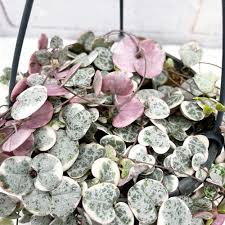
Grow Ceropegia from seed for distinctive ornamental plants featuring unusual flowers and attractive foliage. Depending on species, Ceropegia can be trailing, climbing, or compact, making it an interesting choice for containers, hanging baskets, succulent collections, and warm-climate gardens.
Key Features
- Produces distinctive flowers with unusual shapes and intricate structures.
- Heirloom, non-GMO seed choice for ornamental plant collections.
- Many species develop attractive trailing or climbing growth.
- Well suited to containers, hanging baskets, and indoor collections.
- Performs best with bright light and excellent drainage.
Growing Benefits
- Adds unusual botanical character to indoor plant collections.
- Creates graceful trailing displays in hanging containers.
- Offers an interesting growing project for plant enthusiasts.
- Works well alongside succulents and other container plants.
- Provides distinctive flowers that make the plant visually memorable.
Seed Specifications
- Common Name: Ceropegia, Lantern Flower
- Botanical Name: Ceropegia spp.
- Plant Type: Perennial herbaceous or succulent-like plant, depending on species
- Flower Color: Varies by species and seed line
- Foliage Color: Green, often with patterned or succulent-like leaves
- Flower Shape: Tubular, lantern-like, or intricately structured
- Growth Habit: Trailing, climbing, twining, or upright depending on species
- Sunlight: Bright indirect light to partial shade; some species tolerate gentle direct sun
- Soil: Porous, sharply drained growing medium
- Water: Moderate during active growth; allow the medium to dry between waterings
- Germination Time: Approximately 2–6 weeks under favorable conditions
- Sowing Depth: Surface sow or cover very lightly
- Spacing: Transplant seedlings individually once established
- Growing Zones: Varies by species; many require frost-free conditions
- Flowering/Maturity: Timing varies by species; seed-grown plants may require time to reach flowering maturity
- Uses: Hanging baskets, indoor collections, containers, succulent displays, conservatories, and warm-climate gardens
Growing Tips
- Use a light, porous seed-starting medium that drains quickly.
- Provide bright filtered light and warm conditions during germination.
- Keep seeds and young seedlings lightly moist without creating soggy conditions.
- Give established plants excellent airflow and avoid prolonged exposure to cold.
Seed Storage
Store unused seeds in a cool, dry, dark location. Keep them sealed in their original packet or an airtight container away from moisture, heat, and direct sunlight.
Important Growing Note
Ceropegia is a large and diverse genus, so mature size, foliage appearance, flower color, hardiness, and watering requirements can vary significantly by species. The familiar String of Hearts, Ceropegia woodii, is one well-known member of the genus. Seed-grown plants may also vary from the parent plant. Confirm the exact species on the seed packet for more specific growing requirements.
Unique Facts About Seeds
- Ceropegia flowers are famous for their unusual shapes and specialized floral structures.
- Several species have trailing stems that are especially attractive in hanging containers.
- Some Ceropegia species develop thickened roots or underground storage structures that help them survive dry periods.
- The genus includes plants adapted to a wide range of habitats, particularly in Africa and other warm regions.