


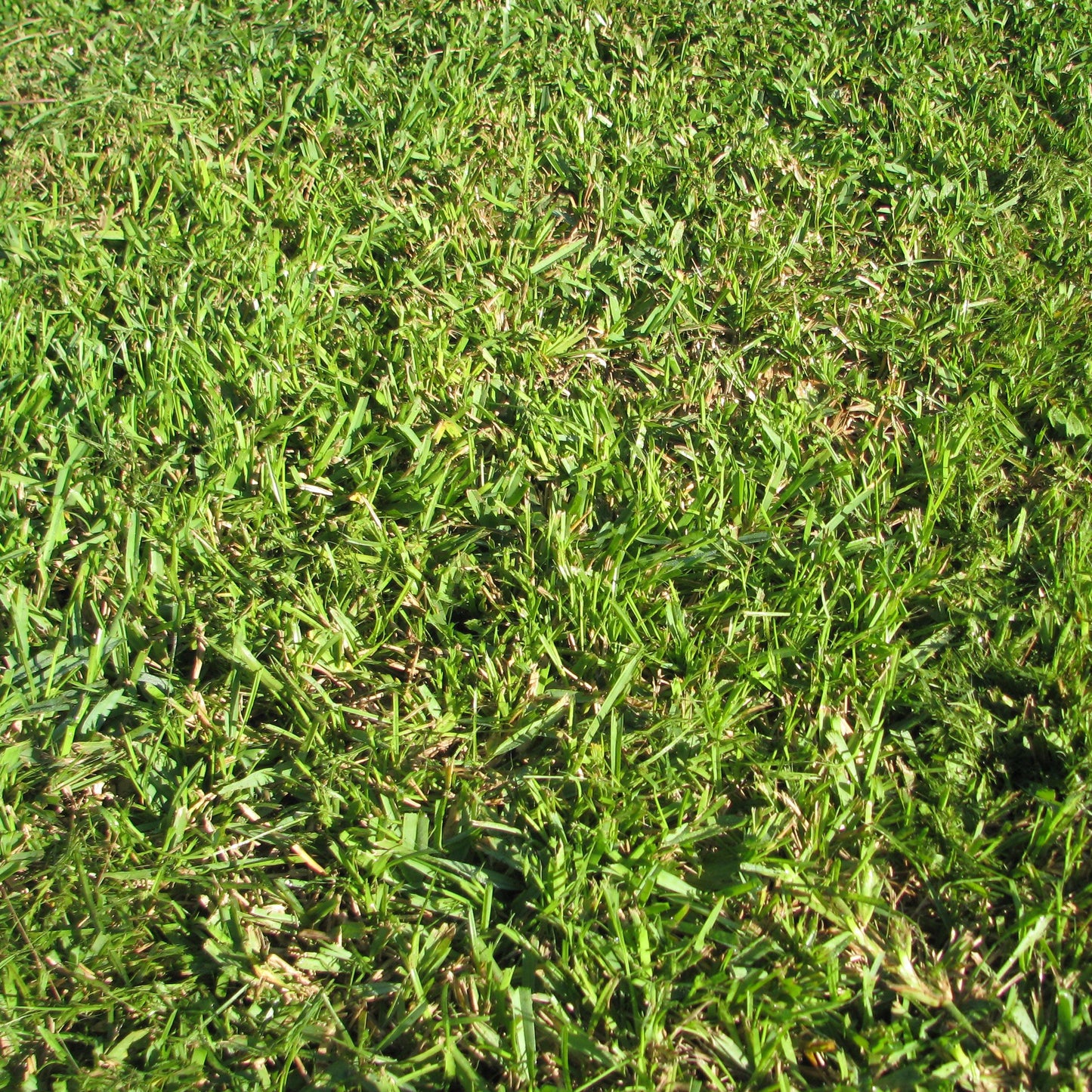
Key Features
- Warm-Season Grass: Centipede Grass thrives in warm climates and is well suited to southern lawns.
- Attractive Green Color: Produces a soft apple-green to medium-green lawn with a naturally neat appearance.
- Low-Growing Habit: Forms a low, creeping turf that generally requires less frequent mowing than many taller lawn grasses.
- Lawn & Landscape Use: Ideal for home lawns, open yard areas, and low-maintenance landscape spaces.
- Seed-Grown Turf: Can be established from seed when planted during suitable warm growing conditions.
Growing Benefits
- Creates an attractive, uniform lawn when properly established and maintained.
- Well suited to warm, humid and subtropical growing conditions.
- Naturally low-growing, helping reduce frequent mowing needs.
- Performs well in acidic, moderately fertile soils.
- Useful for homeowners seeking a relatively low-maintenance lawn grass.
Seed Specifications
- Common Name: Centipede Grass
- Botanical Name: Eremochloa ophiuroides
- Plant Type: Warm-season perennial turfgrass
- Colors: Apple green to medium green
- Height: Generally low-growing, commonly maintained as a short lawn
- Sunlight: Full sun to light shade
- Soil: Acidic, well-drained soil with moderate fertility
- Water: Moderate and consistent moisture during establishment
- Germination Time: Usually about two to three weeks under favorable conditions
- Sowing Depth: Very shallow; press seeds into the soil surface or cover lightly
- Spacing: Sow evenly across the prepared lawn area rather than planting individual clumps
- Growing Zones: Commonly suited to warm regions around USDA Zones seven through ten
- Flowering/Maturity: Primarily grown as turf; establishment and lawn maturity depend on temperature, moisture, and growing conditions
- Uses: Home lawns, landscape areas, ground cover, and low-maintenance turf
Growing Tips
- Prepare a smooth, weed-free seedbed before sowing and gently firm the soil surface.
- Scatter seeds evenly and avoid burying them deeply, as Centipede Grass seed needs shallow planting.
- Keep the soil consistently moist but not waterlogged during germination and early establishment.
- Begin mowing only after the grass is well established, using a suitable high mowing height for Centipede Grass.
Seed Storage
Store unused seeds in a cool, dry place away from direct sunlight and moisture. Keep the seed packet tightly sealed in an airtight container when possible. Avoid areas exposed to heat or high humidity to help maintain seed quality.
Unique Facts About Seeds
- Centipede Grass is a warm-season perennial grass native to southern China and parts of Southeast Asia.
- Its botanical name is Eremochloa ophiuroides, and it is widely used as a turfgrass in warm regions.
- Centipede Grass is known for its relatively slow growth compared with some other warm-season lawn grasses.
- It generally prefers acidic soils and can perform well in moderately fertile conditions without excessive fertilization.