


Key Features
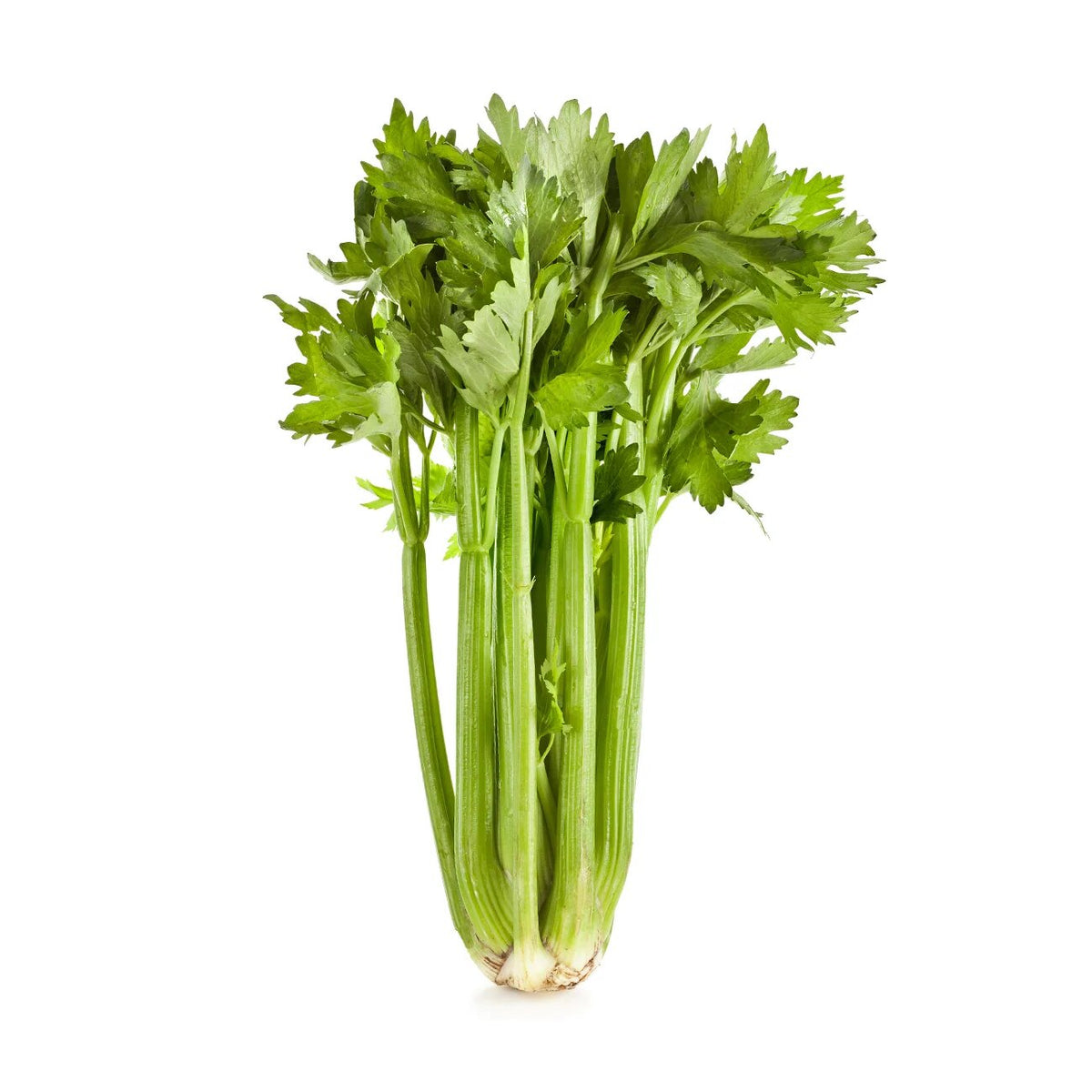
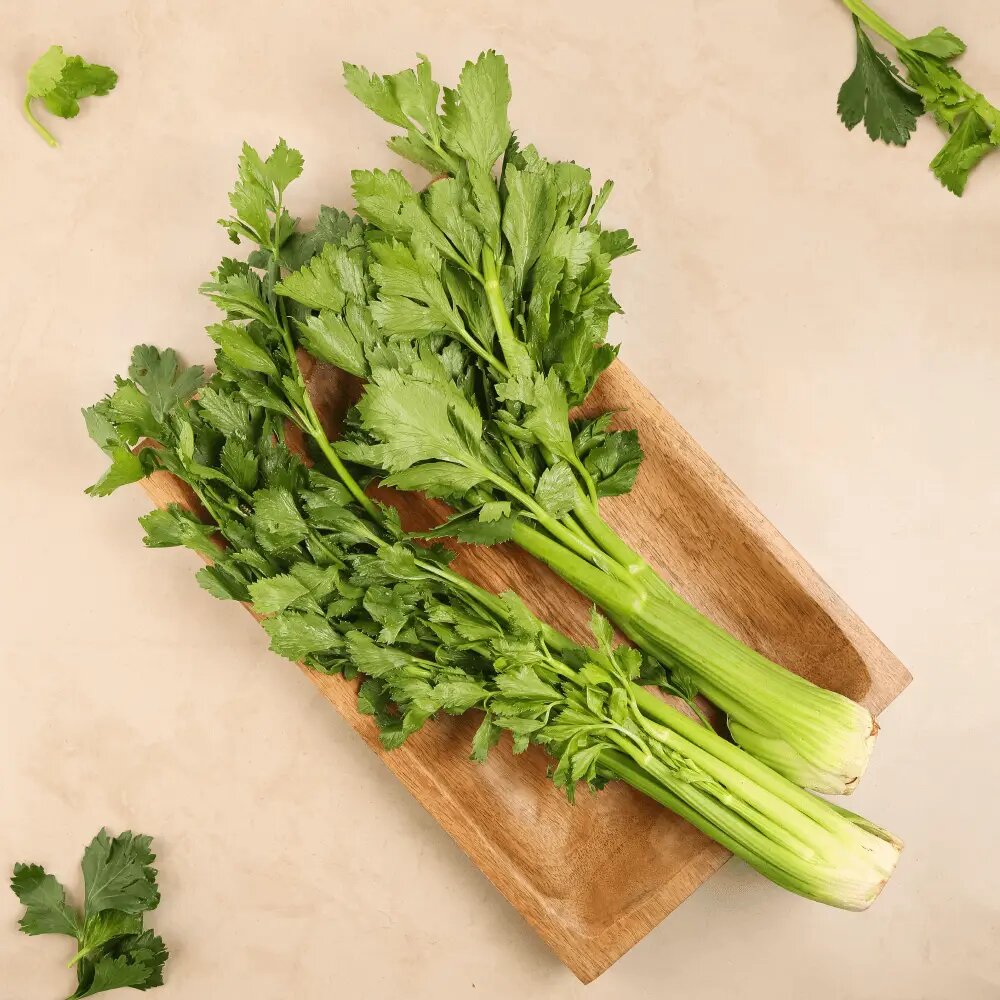
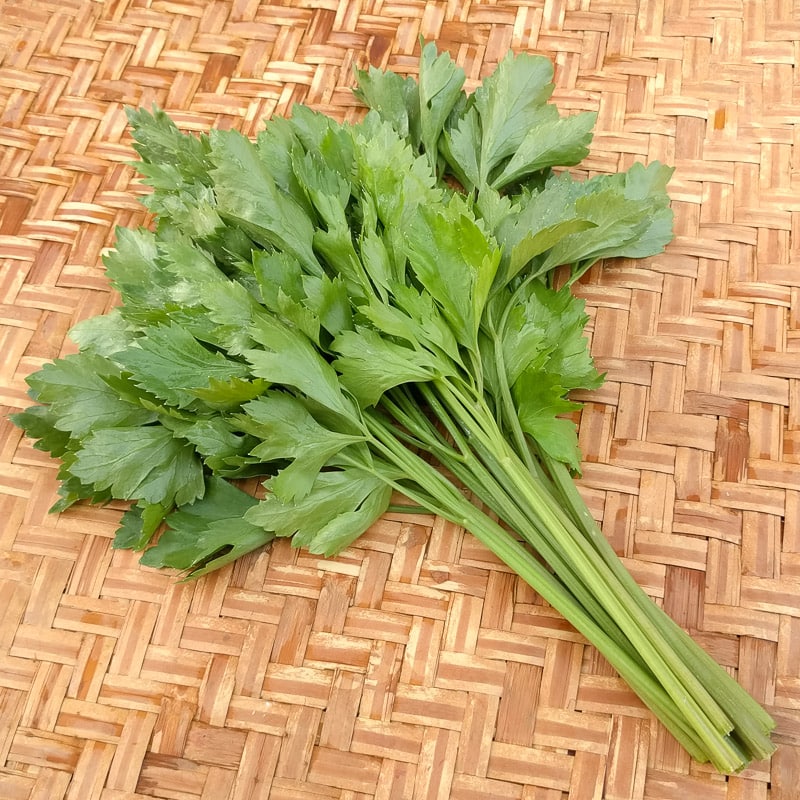
- Cool-season vegetable producing crisp, aromatic green celery stalks and flavorful leaves
- Upright plants with finely divided, bright green foliage and a fresh herbal aroma
- Excellent for vegetable gardens, raised beds, containers, and kitchen gardens
- Useful for fresh salads, soups, stews, stocks, sauces, and homemade seasonings
- A rewarding garden crop for growers who enjoy fresh, versatile culinary vegetables
Growing Benefits
- Enjoy fresh celery harvested directly from your home garden
- Adds refreshing flavor and texture to many everyday recipes
- Suitable for vegetable beds, raised gardens, and containers
- Fragrant foliage brings attractive greenery to edible garden spaces
- Makes a practical choice for gardeners growing useful kitchen vegetables
Seed Specifications
- Common Name: Celery
- Botanical Name: Apium graveolens
- Plant Type: Cool-season biennial vegetable, commonly grown as an annual
- Colors & Height: Green stalks and foliage; typically reaches about twelve to eighteen inches tall
- Sunlight & Soil: Full sun to partial shade; fertile, moisture-retentive, well-drained soil rich in organic matter
- Water & Germination: Consistently moist soil; seeds generally germinate in about two to three weeks
- Sowing Depth & Spacing: Surface sow or barely cover seeds; thin or transplant plants according to available garden space
- Growing Zones: Generally suitable across USDA hardiness zones with timing adjusted for local temperatures
- Flowering/Maturity: Usually harvested before flowering; mature plants may produce small pale flowers during their second year
- Uses: Fresh eating, salads, soups, stews, stocks, sauces, garnishes, and culinary seasoning
Growing Tips
- Keep the seed-starting mix consistently moist because celery seeds are very small.
- Provide bright light and cool growing conditions for strong, healthy seedlings.
- Harden seedlings gradually before transplanting them outdoors to reduce transplant stress.
- Maintain steady moisture throughout growth to encourage tender, well-developed stalks.
Seed Storage
Store unused celery seeds in a cool, dry, dark location away from humidity and direct sunlight. Keep them sealed in an airtight container or moisture-resistant seed packet. Label the container with the seed variety and storage date for easy reference.
Unique Facts About Seeds
- Celery belongs to the Apiaceae family, which also includes carrots, parsley, fennel, and coriander.
- Celery seeds are naturally tiny and are usually sown directly on the soil surface or covered very lightly.
- Celery is a biennial plant, meaning it normally completes its flowering and seed-producing cycle during its second growing season.
- The plant develops aromatic foliage and hollow, edible stalks that are widely used in cooking.