Skip to product information
1 of 3

EdenValleySeeds

Celeriac Seeds for Planting – Heirloom Non-GMO Root Vegetable Garden Seeds

Celeriac Seeds for Planting – Heirloom Non-GMO Root Vegetable Garden Seeds

No reviews yet
Regular price $16.99 USD
Regular price Sale price $16.99 USD
Sale Sold out
Size
Quantity
Free shipping on every order Order today and estimated delivery is Sep 12 – Sep 15
Ordered Aug 28
Order Ready Aug 30 – Sep 01
Delivered Sep 12 – Sep 15
✓ Secure checkout ✓ Carefully packed seeds ✓ Tracked delivery ✓ Quality-focused selection

Bundle & Save

Choose a bundle to unlock savings

Up to 20% off

Select a bundle to see your savings

View full details

Key Features

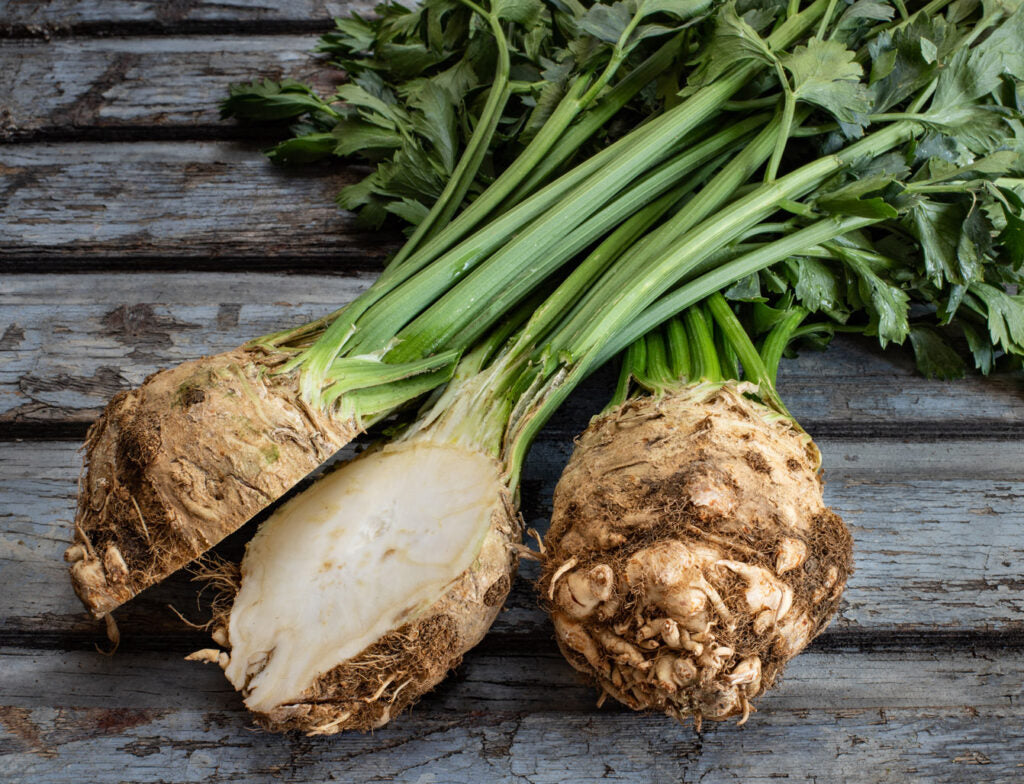
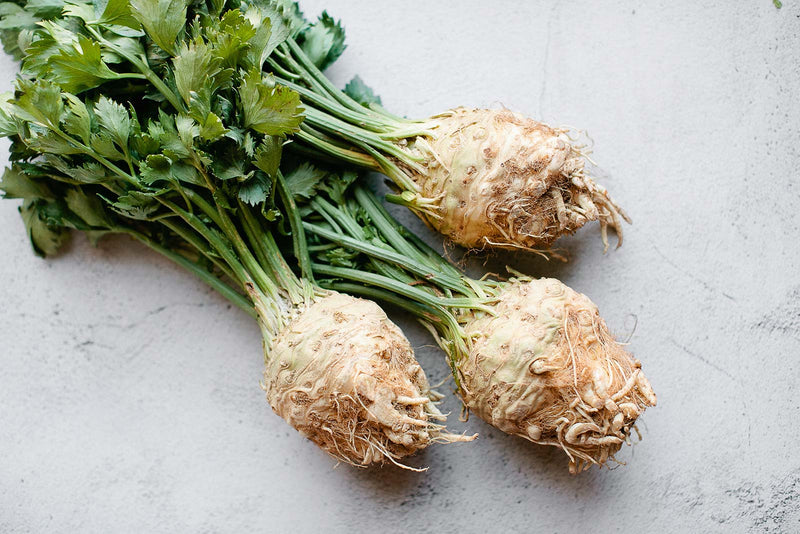
  • Produces knobby, rounded edible root vegetables with creamy white flesh
  • Develops celery-like green foliage above the soil
  • Cool-season crop suited to vegetable beds and home kitchen gardens
  • Roots offer a distinctive earthy, celery-like flavor for cooking
  • Suitable for soups, stews, purées, roasting, salads, and fresh culinary use

Growing Benefits

  • Adds an unusual root vegetable to your home garden
  • Provides flavorful roots for a variety of seasonal recipes
  • Makes an interesting addition to cool-season vegetable gardens
  • Offers a rewarding crop for gardeners who enjoy specialty vegetables
  • Foliage and roots provide useful culinary options

Seed Specifications

  • Common Name: Celeriac, Celery Root, Turnip-Rooted Celery; Botanical Name: Apium graveolens var. rapaceum
  • Plant Type: Biennial root vegetable commonly grown as an annual
  • Colors: Green foliage with cream to light-brown outer roots and white to creamy interior flesh; Height: Approximately twelve to twenty-four inches
  • Sunlight: Full sun to partial shade; Soil: Fertile, moisture-retentive, loose, well-drained soil; Water: Regular and consistent moisture
  • Germination Time: Approximately fourteen to twenty-one days under favorable conditions; Sowing Depth: Surface sow or press seeds lightly into soil; Spacing: Approximately six to twelve inches apart
  • Growing Zones: Generally suited to USDA Zones three to nine; Flowering/Maturity: Approximately one hundred to one hundred twenty days after transplanting, depending on variety and conditions; Uses: Soups, stews, purées, roasting, salads, slaws, and other cooked dishes

Growing Tips

  • Start seeds early because celeriac needs a long growing period to develop good-sized roots.
  • Press seeds lightly onto moist soil instead of burying them deeply.
  • Keep seedlings consistently moist and provide plenty of light during early growth.
  • Remove weeds regularly so developing roots have adequate access to moisture and nutrients.

Seed Storage

Store unused seeds in a cool, dry, dark location away from direct sunlight and moisture. Keep them in an airtight or moisture-resistant container and protect them from heat and humidity.

Unique Facts About Seeds

  • Celeriac is a cultivated form of Apium graveolens, the same species that includes celery.
  • Unlike stalk celery, celeriac is grown primarily for its enlarged underground stem or hypocotyl.
  • The edible root has a characteristic flavor often described as similar to celery with earthy, nutty notes.
  • Celeriac is a cool-season crop and can tolerate light frost once established.

Growing Instructions

Planting Season: Start seeds indoors several weeks before the last expected spring frost. Transplant outdoors once seedlings are established and temperatures are suitable. In mild climates, celeriac can also be grown as a cool-season crop.

Sowing: Celeriac seeds are very small and require light for reliable germination. Scatter seeds over moist seed-starting mix and gently press them into the surface rather than covering deeply.

Depth: Surface sow or cover with only a very thin layer of fine growing medium.

Spacing: Once seedlings are established, transplant or thin them to approximately six to twelve inches apart to allow the enlarged roots to develop.

Sunlight: Provide full sun for strong growth, although plants can tolerate some partial shade in warmer conditions.

Soil: Use fertile, loose, moisture-retentive soil enriched with compost. Consistent soil moisture is important for developing smooth, well-formed roots.

Watering: Water regularly and deeply enough to keep the soil evenly moist. Avoid allowing the soil to dry out completely during root development.

Germination: Seeds commonly take approximately fourteen to twenty-one days to germinate under favorable conditions. Germination can be slower when temperatures or moisture levels are unsuitable.

Transplanting: Transplant seedlings once they have developed several true leaves and outdoor conditions are appropriate. Harden plants gradually before moving them permanently outdoors.

Fertilizing: Incorporate mature compost before planting. Feed during active growth with a suitable balanced vegetable fertilizer if soil fertility is low.

Care: Keep the planting area weed-free and maintain consistent moisture. Avoid disturbing the developing root as it enlarges. Removing a few lower leaves can help keep the crown area clean, but extensive leaf removal should be avoided.

Flowering and Maturity: Celeriac is generally harvested during the cool season after the root has reached a useful size. Depending on variety and growing conditions, harvest commonly occurs around one hundred to one hundred twenty days after transplanting.