


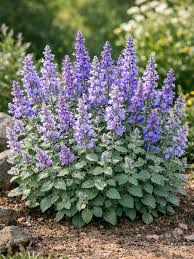

Grow Cat Mint from heirloom non-GMO seeds for aromatic foliage and delicate flowers. A lovely perennial herb for sunny borders, cottage gardens, containers, and pollinator-friendly spaces, adding soft texture and lasting garden interest.
Key Features
- Produces aromatic, soft green foliage with delicate flowering stems.
- Creates a graceful, easy-care appearance in sunny garden spaces.
- Ideal for herb gardens, cottage borders, containers, and pollinator plantings.
- Performs best in full sun with light, well-drained soil.
- Flowers can attract bees, butterflies, and other beneficial garden visitors.
Growing Benefits
- Adds fragrant texture to sunny herb and flower gardens.
- Creates a soft, natural look in cottage-style borders.
- Provides flowers that can attract visiting pollinators.
- Works well in containers, raised beds, and mixed borders.
- Offers long-lasting perennial interest once established.
Seed Specifications
- Common Name: Cat Mint, Catmint
- Botanical Name: Nepeta spp.
- Plant Type: Herbaceous perennial herb
- Flower Colors: Lavender, blue, purple, pink, or white depending on species
- Foliage: Soft green, aromatic leaves
- Growth Habit: Upright, mounding, or spreading depending on variety
- Height: Approximately 12–36 inches, depending on species and growing conditions
- Sunlight: Full sun to partial shade
- Soil: Light, well-drained, moderately fertile soil
- Water: Moderate; allow soil to dry slightly between watering once established
- Germination Time: Approximately 7–21 days under favorable conditions
- Sowing Depth: Surface sow or cover very lightly
- Spacing: Approximately 12–18 inches depending on mature size
- Growing Zones: Varies by species; many catmint types are hardy in USDA Zones 3–9
- Flowering/Maturity: Generally flowers from late spring through summer, with some varieties blooming longer
- Uses: Herb gardens, cottage gardens, borders, containers, rock gardens, pollinator gardens, and ornamental landscapes
Growing Tips
- Choose a sunny location with excellent drainage for strong growth.
- Avoid excessive watering once established because catmint prefers moderately dry conditions.
- Trim spent flower stems to encourage a tidier appearance and potential reblooming.
- Give plants adequate spacing to improve airflow and prevent overcrowding.
Seed Storage
Store unused seeds in a cool, dry, dark location. Keep them sealed in their original packet or an airtight container away from moisture, heat, and direct sunlight.
Important Growing Note
“Cat Mint” or “Catmint” commonly refers to plants in the Nepeta genus, but individual species differ in size, flower color, hardiness, and suitability for culinary or herbal use. For the most accurate expectations, confirm the botanical species listed on the seed packet.
Unique Facts About Seeds
- Catmint belongs to the Nepeta genus within the mint family, Lamiaceae.
- Many catmint varieties produce aromatic foliage and spikes of small tubular flowers.
- The flowers are popular with bees, butterflies, and other flower-visiting insects.
- Different Nepeta species can vary considerably in plant size, flower color, and growth habit.