


Key Features
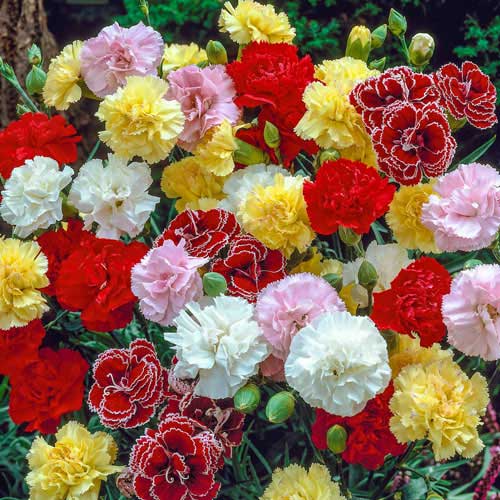
- Attractive Caryophyllus flowers add classic charm to home gardens.
- Blooms may appear in beautiful shades including white, pink, red, and purple.
- Upright flowering plants suit beds, borders, containers, and cottage-style gardens.
- Fragrant blooms can bring a pleasant, sweet scent to outdoor spaces.
- A lovely choice for gardeners interested in traditional ornamental flowers.
Growing Benefits
- Adds graceful color and fragrance to garden spaces.
- Works well in flower beds, borders, and containers.
- Provides attractive blooms for seasonal garden displays.
- Offers an enjoyable growing project for home gardeners.
- Complements other ornamental flowers in mixed planting areas.
Seed Specifications
Common Name: Caryophyllus Flower
Botanical Name: Dianthus caryophyllus
Plant Type: Herbaceous flowering perennial, often grown as an annual or biennial
Colors: White, pink, red, purple, and mixed shades
Height: Approximately 30–75 cm
Sunlight: Full sun
Soil: Well-drained, fertile soil with good organic matter
Water: Moderate; keep soil evenly moist without waterlogging
Germination Time: Approximately 7–14 days under suitable conditions
Sowing Depth: Lightly cover with fine soil
Spacing: Approximately 20–30 cm apart
Growing Zones: Generally suitable for USDA Zones 6–10, depending on cultivar and climate
Flowering/Maturity: Typically flowers several months after sowing, depending on variety and growing conditions
Uses: Flower beds, borders, containers, cottage gardens, cut flowers, and ornamental displays
Growing Tips
- Choose a sunny location with good air circulation.
- Use loose, fertile soil that drains well and does not stay soggy.
- Keep newly sown seeds and seedlings consistently but lightly moist.
- Remove faded flowers regularly to encourage a tidy, attractive display.
Seed Storage
Store unused seeds in a cool, dry, dark location away from moisture and direct sunlight. Keep them in a tightly sealed, labeled seed packet or airtight container until planting.
Unique Facts About Seeds
- Caryophyllus is associated with Dianthus caryophyllus, commonly known as the carnation.
- The botanical name Dianthus comes from Greek words meaning “divine flower.”
- Carnations have been cultivated as ornamental flowers for centuries.
- Their fragrant flowers are especially valued for ornamental displays and cut-flower arrangements.