


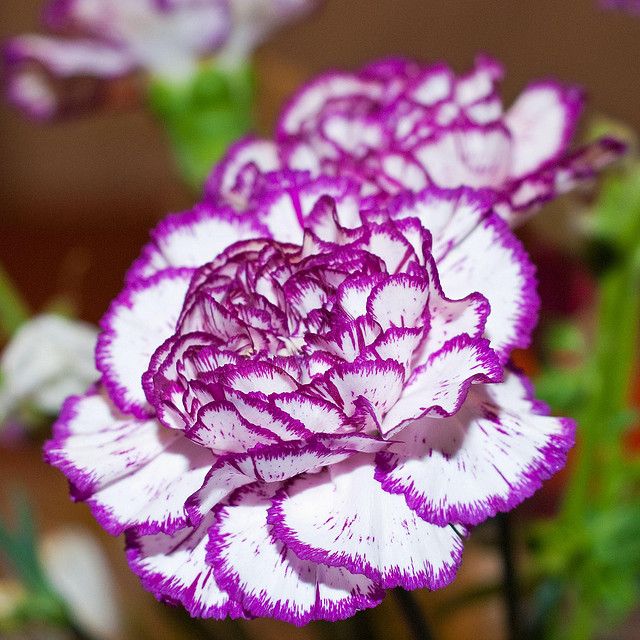
Key Features
- Beautiful violet and white carnation blooms with an elegant, classic appearance.
- Upright, branching plants add height and texture to flower beds and borders.
- Excellent choice for cottage gardens, cutting gardens, containers, and floral displays.
- Carnation blooms can provide a charming blend of soft color and sweet fragrance.
- Long-lasting flowers make an attractive addition to bouquets and garden arrangements.
Growing Benefits
- Adds romantic violet and white color to home garden landscapes.
- Suitable for gardeners creating cottage-style and cutting flower gardens.
- Encourages enjoyable seed-starting and seasonal gardening projects.
- Produces attractive blooms for bouquets and decorative indoor arrangements.
- Adds vertical interest and floral texture to garden spaces.
Seed Specifications
Common Name: Violet White Carnation
Botanical Name: Dianthus caryophyllus
Plant Type: Herbaceous perennial, commonly grown as an annual or biennial
Colors: Violet and white
Height: Typically around eighteen to twenty-four inches
Sunlight: Full sun
Soil: Well-drained, fertile soil with good organic matter
Water: Moderate; keep soil evenly moist without waterlogging
Germination Time: Approximately one to three weeks under suitable conditions
Sowing Depth: Lightly cover seeds with a thin layer of soil
Spacing: Allow approximately eight to twelve inches between plants
Growing Zones: Generally suitable for USDA Zones six through ten, depending on local conditions
Flowering/Maturity: Commonly flowers during the growing season after establishment
Uses: Flower beds, borders, cottage gardens, containers, cutting gardens, bouquets, and floral arrangements
Growing Tips
- Choose a sunny location with well-draining soil for healthy growth.
- Sow seeds shallowly and avoid burying them deeply.
- Keep the growing medium lightly moist while seeds are germinating.
- Provide good air circulation around plants to support healthy foliage and flowers.
Seed Storage
Store unused seeds in a cool, dry, and dark location. Keep them in a tightly sealed packet or airtight container away from moisture, heat, and direct sunlight. Label the container with the seed variety and storage date.
Unique Facts About Seeds
- Carnations belong to the genus Dianthus, a group known for colorful ornamental flowers.
- Carnation flowers are valued as traditional cut flowers because their blooms can last well in arrangements.
- The botanical name Dianthus is associated with the idea of divine or heavenly flowers.
- Carnations have been cultivated ornamentally for centuries and are popular in gardens worldwide.