


Key Features
-
Traditional Italian Vegetable: Cardoon is a Mediterranean plant related to the artichoke.
-
Distinctive Appearance: Features large, silvery-green leaves and tall, architectural growth.
-
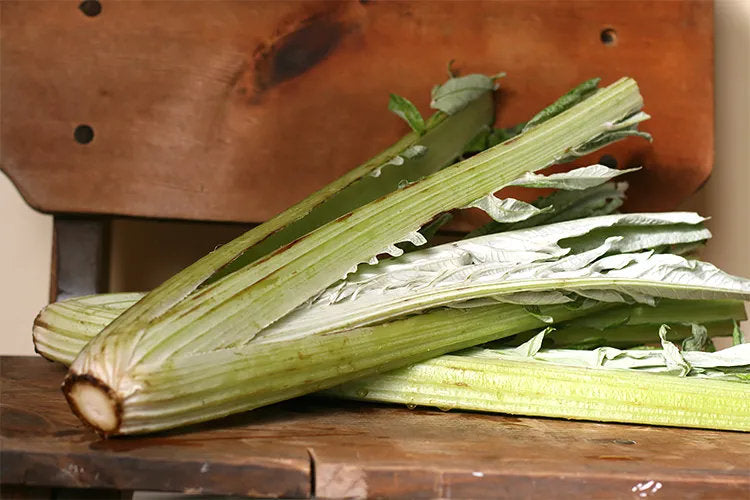
Edible Leaf Stalks: The thick leaf stalks are traditionally prepared as a cooked vegetable.
-
Garden Interest: Adds bold foliage and structure to vegetable gardens and edible landscapes.
-
Warm-Season Crop: Grows best in sunny locations with fertile soil and a long growing season.
Growing Benefits
-
Explore traditional Italian cooking with a distinctive homegrown vegetable.
-
Add attractive, dramatic foliage to an edible garden.
-
Enjoy the satisfaction of growing a less-common Mediterranean vegetable.
-
Harvest suitable leaf stalks for soups, gratins, and cooked dishes.
-
Experience a versatile garden plant that combines ornamental appeal with culinary use.
Seed Specifications
-
Common Name: Cardoon, Italian Cardoon
-
Botanical Name: Cynara cardunculus
-
Plant Type: Herbaceous perennial, commonly grown as an annual vegetable
-
Colors: Silvery-green foliage; mature flower heads are typically purple
-
Height: Often around four to six feet, depending on variety and growing conditions.
-
Sunlight: Full sun, ideally with several hours of direct sunlight daily
-
Soil: Fertile, well-drained soil enriched with organic matter
-
Water: Regular, consistent moisture; avoid waterlogged soil
-
Germination Time: Commonly about one to two weeks under favorable conditions; timing varies with temperature and seed quality.
-
Sowing Depth: Sow approximately one-quarter inch deep in moist seed-starting mix.
-
Spacing: Allow about three to four feet between mature plants.
-
Growing Zones: Often grown as a perennial in mild climates; grown as an annual in regions with colder winters.
-
Flowering/Maturity: Harvestable stalks develop over a long growing season; flowering typically occurs when plants mature and conditions are suitable.
-
Uses: Vegetable gardens, edible landscaping, and traditional Mediterranean cooking.
Growing Tips
-
Start seeds indoors in individual pots to encourage healthy seedlings.
-
Choose a sunny site with fertile soil and good drainage.
-
Give plants plenty of room because mature cardoons become large.
-
Harvest tender stalks before flowering for culinary use, and cook them before eating.
Seed Storage
Keep unused cardoon seeds in a sealed, labeled container in a cool, dry, dark location. Protect them from moisture and excessive heat. For best results, follow any storage guidance provided by the seed supplier.
Unique Facts About Cardoon Seeds
-
Artichoke relative: Cardoon belongs to the same botanical species group as globe artichoke and is closely related to it.
-
Mediterranean heritage: It has a long history as a cultivated food plant in Mediterranean cuisines.
-
Edible stalks: The thick leaf stalks are the main edible part and are often blanched to reduce bitterness.
-
Thistle-like flowers: Mature plants can produce striking purple flower heads that attract pollinating insects.