


Key Features
-
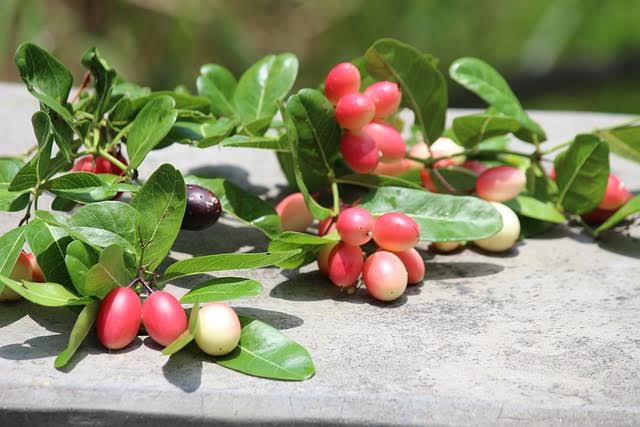
Plant Variety: Carandas cherry, a tropical fruiting shrub known for its edible berries.
-
Fruit Colors: Fruits develop from green to pink or red and become dark purple to nearly black when ripe.
-
Plant Characteristics: Dense, thorny, evergreen shrub with glossy green leaves and small flowers.
-
Garden Uses: Suitable for tropical gardens, protective hedges, and edible landscapes.
-
Fruit Appeal: Tart, flavorful berries can be used in preserves, pickles, sauces, and other traditional preparations.
Growing Benefits
-
Adds an attractive fruiting shrub to tropical and subtropical gardens.
-
Produces colorful berries for a variety of culinary uses.
-
Creates a dense hedge when planted and maintained appropriately.
-
Offers an interesting gardening project for growers exploring tropical fruit plants.
-
Can provide shelter and structure for suitable garden landscapes.
Seed Specifications
-
Common Name: Carandas Cherry, Karonda, Bengal Currant
-
Botanical Name: Carissa carandas
-
Plant Type: Evergreen, thorny fruiting shrub
-
Colors: Green foliage, small white flowers, and fruits that mature from green to reddish-purple or nearly black.
-
Height: Commonly around two to four metres when mature, depending on climate and pruning.
-
Sunlight: Full sun to light shade; full sun generally supports better flowering and fruiting.
-
Soil: Well-drained sandy loam or loamy soil; tolerates a range of soil conditions.
-
Water: Water regularly while young; established plants tolerate periods of dry weather.
-
Germination Time: Often several weeks under suitable warm conditions; results vary with seed freshness and preparation.
-
Sowing Depth: Sow approximately half a centimetre to one centimetre deep.
-
Spacing: Allow ample room for mature shrubs; closer spacing may be used for a managed hedge.
-
Growing Zones: Best suited to tropical and subtropical climates; protect young plants from cold and frost.
-
Flowering/Maturity: Flowering and fruiting depend on climate and plant maturity; seed-grown plants may take several years to bear fruit.
-
Uses: Edible fruit, pickles, jams, jellies, sauces, and ornamental or protective hedges.
Growing Tips
-
Start with fresh seeds when possible, as storage can affect germination.
-
Use a loose, well-draining seed-starting mix and keep it lightly moist.
-
Place seedlings in a warm, bright location with plenty of sunlight.
-
Handle mature plants carefully because their branches may have sharp thorns.
Seed Storage
Keep seeds in a clean, dry, labelled container away from heat, moisture, and direct sunlight. Carandas cherry seeds may lose viability during storage, so sowing fresh seeds soon after cleaning is preferable when possible.
Unique Facts About Carandas Cherry Seeds
-
Native range: Carissa carandas is native to parts of South Asia and is widely cultivated in tropical regions.
-
Colorful fruit: The berries darken as they ripen and are used in traditional foods, including jams, jellies, and pickles.
-
Natural protective hedge: Its thorny branches and dense growth make the shrub useful for living fences and boundaries.
-
Seed propagation: Plants can be grown from seed, but germination may be uneven and fruit characteristics can vary between seedlings.