


Key Features
-
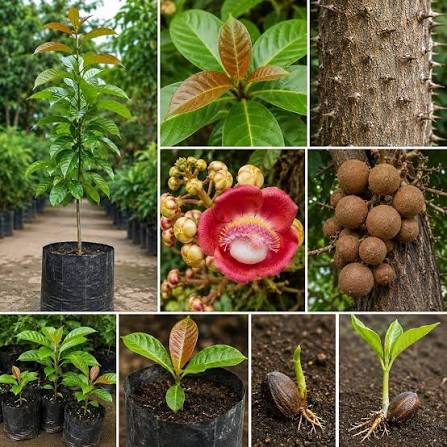
Rare Tropical Flowering Tree: Cannonball Tree (Couroupita guianensis) is a distinctive tropical tree known for its unusual flowers and large, rounded fruits.
-
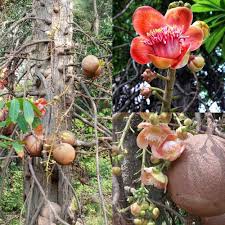
Beautiful Fragrant Flowers: Produces striking pink, red, and yellow flowers with an unusual central structure and a pleasant fragrance.
-
Unique Fruit Characteristics: Develops large, hard, spherical brown fruits that resemble cannonballs and grow directly from the trunk.
-
Plant Characteristics: A large tropical tree with broad green leaves, a tall trunk, and distinctive flowering branches.
-
Special Feature: Flowers and fruits develop directly from the trunk and older branches, a botanical characteristic known as cauliflory.
Growing Benefits
-
Spectacular Floral Display: Enjoy unusual, colorful flowers that create an impressive ornamental feature in tropical landscapes.
-
Tropical Garden Beauty: Develops into an attractive flowering tree suitable for spacious botanical gardens and tropical landscapes.
-
Fragrant Blossoms: Mature trees produce aromatic flowers that add sensory interest to ornamental plant collections.
-
Botanical Interest: Observe the fascinating growth of flowers and fruits directly from the tree trunk.
-
Long-Term Ornamental Value: Establish a perennial tropical tree with distinctive flowers, foliage, and fruit structures.
Seed Specifications
-
Common Name: Cannonball Tree
-
Botanical Name: Couroupita guianensis
-
Plant Family: Lecythidaceae
-
Plant Type: Large tropical flowering tree, evergreen to briefly deciduous
-
Colors: Pink to reddish flowers with yellow centers, green foliage, large brown fruits
-
Height: Approximately fifty to one hundred feet under favorable tropical conditions
-
Sunlight: Full sun to partial shade
-
Soil: Fertile, well-drained, organically rich soil
-
Water: Regular moisture, especially during establishment
-
Germination Time: Approximately two to eight weeks under favorable conditions; timing may vary
-
Sowing Depth: Surface sow or cover very lightly with fine growing medium
-
Spacing: Allow at least thirty to fifty feet between mature trees and ample clearance from buildings and walkways
-
Growing Zones: Best suited to frost-free tropical climates, generally USDA zones ten through twelve
-
Flowering/Maturity: Seed-grown trees may take several years or longer to begin flowering
-
Uses: Ornamental landscaping, botanical gardens, tropical flowering tree collections, and educational plant displays
Growing Tips
-
Use Fresh Seeds: Sow freshly collected seeds promptly because Cannonball Tree seeds may lose viability when dried or stored for extended periods.
-
Maintain Tropical Warmth: Keep the growing medium consistently warm and humid to support germination.
-
Provide Gentle Moisture: Maintain even moisture without waterlogging the delicate seedlings.
-
Choose a Spacious Location: Plant away from buildings, parked vehicles, and frequently used pathways because mature fruits are large and heavy.
Seed Storage
Cannonball Tree seeds are best sown fresh because their viability may decline rapidly during drying and prolonged storage. If immediate planting is not possible, keep cleaned seeds in a suitable moist, breathable medium for a short period while protecting them from excessive heat and cold. Avoid prolonged dry storage and sow as soon as practical.
Unique Facts About Seeds
-
Cannonball-Like Fruits: The tree produces large, round, hard-shelled fruits that can resemble old-fashioned cannonballs.
-
Flowers on the Trunk: Unlike many flowering trees, Couroupita guianensis develops flowers directly from its trunk and older branches.
-
South American Origin: The species is native to tropical regions of South America and is cultivated in many warm regions worldwide.
-
Distinctive Floral Structure: Its elaborate flowers contain specialized groups of stamens that contribute to their unusual appearance.