


Key Features
-
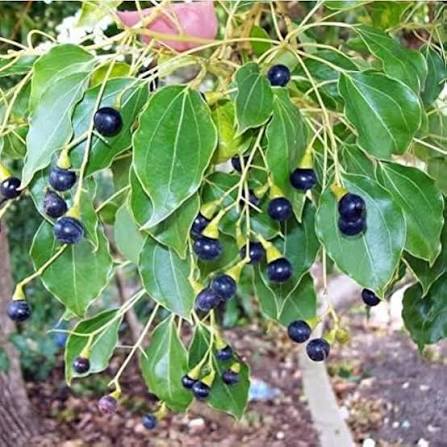
Aromatic Evergreen Tree: Camphor Tree (Cinnamomum camphora) is valued for its fragrant foliage, attractive appearance, and year-round greenery.
-
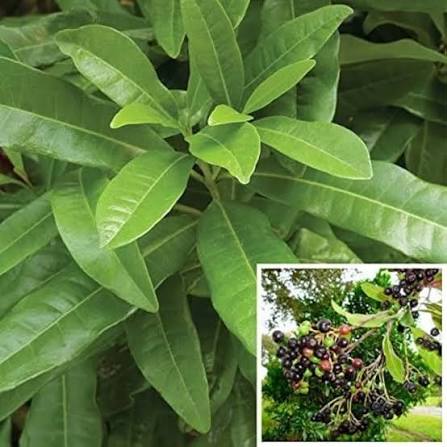
Beautiful Foliage: Produces glossy green leaves with reddish or bronze tones during new growth.
-
Plant Characteristics: Develops into a broad-canopied evergreen tree with a sturdy trunk and dense foliage.
-
Garden Uses: Suitable for spacious landscapes, botanical gardens, and ornamental tree collections in appropriate climates.
-
Special Feature: Leaves release a distinctive camphor-like fragrance when crushed.
Growing Benefits
-
Year-Round Greenery: Enjoy attractive evergreen foliage throughout the seasons in suitable climates.
-
Ornamental Landscape Appeal: Develops a broad, spreading canopy that provides shade as the tree matures.
-
Aromatic Foliage: Adds botanical interest through its naturally fragrant leaves.
-
Wildlife Interest: Small flowers can attract pollinating insects, while mature fruits may attract birds.
-
Long-Term Landscaping: Establish a perennial tree that can become a prominent feature in spacious gardens.
Seed Specifications
-
Common Name: Camphor Tree, Camphor Laurel
-
Botanical Name: Cinnamomum camphora
-
Plant Type: Broadleaf evergreen perennial tree
-
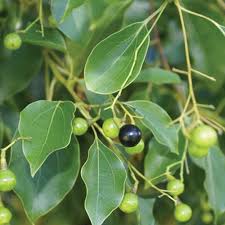
Colors: Glossy green leaves, bronze-red new growth, pale yellowish-white flowers, dark purple-black mature fruits
-
Height: Approximately forty to sixty feet, potentially taller under favorable conditions
-
Sunlight: Full sun to partial shade
-
Soil: Fertile, well-drained loamy, sandy, or slightly acidic soil
-
Water: Moderate watering during establishment; established trees tolerate some dry conditions
-
Germination Time: Variable, often several weeks to a few months
-
Sowing Depth: Approximately one-quarter to one-half inch
-
Spacing: Allow at least twenty to thirty feet between trees, with additional clearance from structures
-
Growing Zones: Generally USDA zones nine through eleven, depending on local conditions
-
Flowering/Maturity: Small flowers typically appear in spring, followed by fruits that mature later in the growing season
-
Uses: Ornamental landscaping, shade trees, botanical collections, and aromatic foliage displays
Growing Tips
-
Use Fresh Seeds: Sow freshly collected, cleaned seeds whenever possible to improve the chances of successful germination.
-
Maintain Warm Conditions: Keep the seed-starting medium warm and consistently moist without waterlogging.
-
Choose a Spacious Location: Plant only where the mature tree has adequate room for its canopy and extensive roots.
-
Check Local Restrictions: Camphor Tree is invasive in some regions, so confirm local planting regulations before growing.
Seed Storage
Store Camphor Tree seeds in a clean, labeled container in a cool location away from excessive heat and direct sunlight. Fresh sowing is preferable because seed viability may decline during prolonged or unsuitable storage. Avoid allowing freshly collected seeds to become excessively dry before planting. For extended storage, consult species-specific seed handling recommendations.
Unique Facts About Seeds
-
Distinctive Aroma: Camphor Tree contains naturally occurring aromatic compounds responsible for its recognizable fragrance.
-
Colorful New Growth: Young leaves often emerge with attractive bronze, copper, or reddish tones before turning glossy green.
-
Evergreen Canopy: Mature trees develop broad crowns that provide substantial shade in suitable landscapes.
-
Important Planting Consideration: The species can spread through bird-dispersed seeds and is considered invasive in parts of the southeastern United States and other warm region