


Key Features
-
Variety: Butter Ackee, a named type of ackee fruit tree; confirm the exact cultivar identity with your supplier.
-
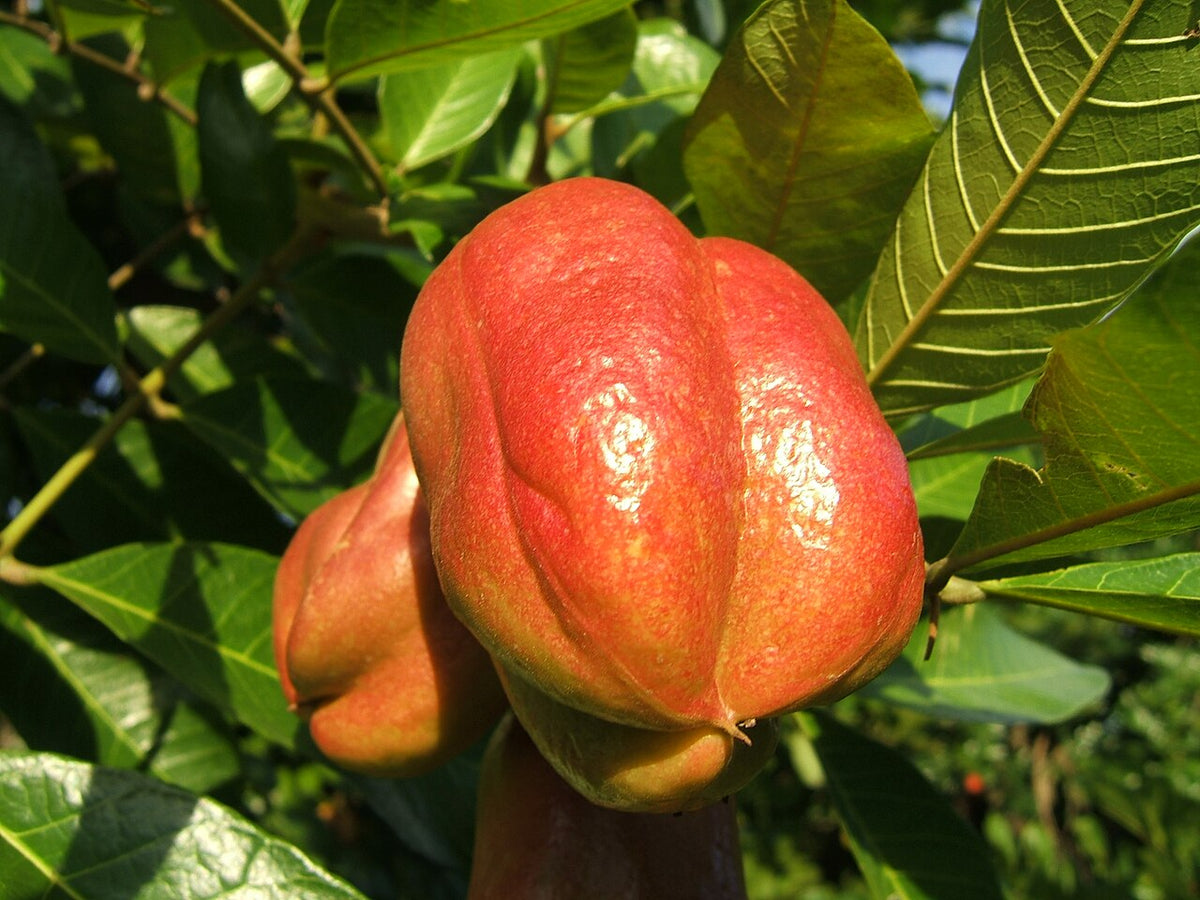
Fruit Appearance: Ackee fruits develop from green to reddish tones as they mature.
-
Plant Characteristics: Tropical evergreen tree with glossy foliage and distinctive fruit pods.
-
Garden Uses: Suitable for tropical gardens, warm-climate landscapes, and fruit tree collections.
-
Distinctive Fruit: Mature fruits split open naturally, revealing cream-colored arils and dark seeds.
Growing Benefits
-
Adds a distinctive tropical fruit tree to suitable warm-climate gardens.
-
Provides attractive evergreen foliage for tropical landscape settings.
-
Offers an interesting long-term gardening project from seed.
-
Introduces gardeners to a traditional Caribbean fruit tree.
-
Can become a striking feature in a spacious tropical garden.
Seed Specifications
-
Common Name: Butter Ackee, Ackee
-
Botanical Name: Blighia sapida
-
Plant Type: Tropical evergreen fruit tree
-
Colors: Green foliage; fruits change from green to red or yellowish-red as they mature.
-
Height: Can reach approximately twenty to thirty feet or more under favorable conditions; size varies with climate and care.
-
Sunlight: Full sun for established trees; young seedlings benefit from partial shade.
-
Soil: Fertile, well-drained soil.
-
Water: Regular watering while young; avoid prolonged waterlogging.
-
Germination Time: Often around seven to ten days under suitable conditions, though results vary.
-
Sowing Depth: Approximately three centimetres in a nursery pot.
-
Spacing: Allow ample room for a mature tree; final spacing depends on the site and intended use.
-
Growing Zones: Best suited to tropical and warm subtropical climates without damaging frost.
-
Flowering/Maturity: Flowering may begin after several years, with fruiting later as the tree matures.
-
Uses: Tropical landscaping, botanical collections, and fruit-tree cultivation where the climate is suitable.
Growing Tips
-
Sow fresh seeds promptly because ackee seeds lose viability during storage.
-
Keep the seed-starting medium moist but never waterlogged.
-
Give young seedlings partial shade, then gradually introduce more direct sunlight.
-
Choose a permanent location with good drainage and plenty of room for growth.
Seed Storage
Ackee seeds are recalcitrant, meaning they do not tolerate drying and long-term conventional seed storage well. For the best chance of germination, sow fresh seeds as soon as possible after collection. Avoid sealing wet seeds in an airtight container for extended periods, and follow the supplier's instructions for any short-term transport or holding.
Unique Facts About Ackee Seeds
-
Tropical origins: Ackee is native to West Africa and is widely cultivated throughout the Caribbean.
-
Distinctive fruit: Mature pods naturally split open to reveal pale, fleshy arils surrounding shiny black seeds.
-
Slow journey to fruiting: Trees generally need several years to flower and produce fruit, depending on growing conditions.
-
Important safety distinction: Ackee seeds and rind are toxic and must never be eaten. Only properly ripened and safely prepared arils are edible.