



Key Features
-
Unique Tropical Species: Bush Banana (Uvaria chamae) is a tropical African plant known for its distinctive clustered fruits and traditional uses.
-
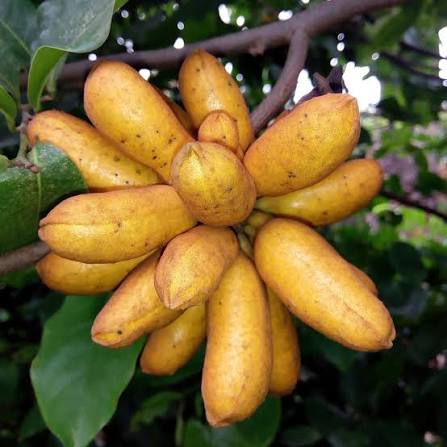
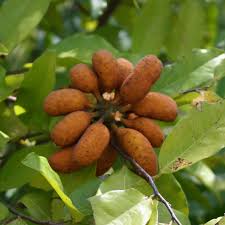
Fruit Characteristics: Produces elongated, finger-shaped fruits that develop yellow to orange coloration as they mature.
-
Plant Characteristics: A woody, climbing or scrambling shrub with green foliage and attractive flowers.
-
Garden Uses: Suitable for tropical gardens, botanical collections, and warm-climate landscapes with adequate growing space.
-
Special Feature: Despite its common name, Bush Banana is not a true banana and belongs to the custard apple family, Annonaceae.
Growing Benefits
-
Rare Tropical Collection: Add an unusual African fruit-bearing species to a specialty plant collection.
-
Distinctive Fruit Display: Enjoy the ornamental appeal of clustered, finger-shaped fruits as plants mature.
-
Tropical Garden Appeal: Develop lush greenery and a natural, tropical appearance in warm-climate landscapes.
-
Botanical Interest: Grow a fascinating member of the Annonaceae family with distinctive flowers and fruit structures.
-
Long-Term Cultivation: Establish a perennial woody plant that may flower and fruit when grown under suitable conditions.
Seed Specifications
-
Common Name: Bush Banana, African Bush Banana
-
Botanical Name: Uvaria chamae
-
Plant Type: Tropical perennial woody shrub or scrambling climber
-
Colors: Green foliage, yellowish flowers, yellow to orange mature fruits
-
Height: Variable; may reach several feet tall or extend farther when supported by surrounding vegetation
-
Sunlight: Full sun to partial shade
-
Soil: Fertile, well-drained loamy or sandy-loam soil
-
Water: Moderate, consistent moisture during establishment without waterlogging
-
Germination Time: Variable and potentially prolonged; reliable species-specific timing is not established
-
Sowing Depth: Approximately one-quarter to one-half inch as a general starting guideline
-
Spacing: Allow several feet between established plants, adjusting for their mature growth habit
-
Growing Zones: Best suited to frost-free tropical climates; exact USDA hardiness range is not well established
-
Flowering/Maturity: Variable; seed-grown plants may require several years to reach reproductive maturity
-
Uses: Tropical plant collections, ornamental landscaping, botanical gardening, and traditional regional fruit uses
Growing Tips
-
Use Fresh Seeds: Sow fresh, properly cleaned seeds whenever possible because germination behavior can vary.
-
Maintain Tropical Warmth: Keep the growing medium consistently warm and protect seeds and seedlings from cold temperatures.
-
Choose Well-Drained Soil: Use a loose planting medium that retains some moisture without becoming waterlogged.
-
Allow Growing Space: Provide sufficient room for the plant's natural scrambling or climbing growth habit.
Seed Storage
Store Bush Banana seeds in a clean, labeled container away from direct sunlight, excessive heat, and moisture. Because reliable long-term storage and viability information for Uvaria chamae is limited, fresh sowing is preferable when possible. Avoid prolonged storage under unsuitable conditions, which may reduce germination potential.
Unique Facts About Seeds
-
Not a True Banana: Bush Banana belongs to the Annonaceae family, while edible bananas belong to the Musaceae family.
-
African Native Species: Uvaria chamae occurs naturally in parts of tropical Africa and is associated with woodland and forest-edge habitats.
-
Distinctive Fruit Clusters: Its elongated fruits develop in groups, giving the plant its banana-inspired common name.
-
Botanical Significance: The species has a history of regional traditional uses, although these do not establish the safety or effectiveness of medicinal preparations.