


Key Features
-
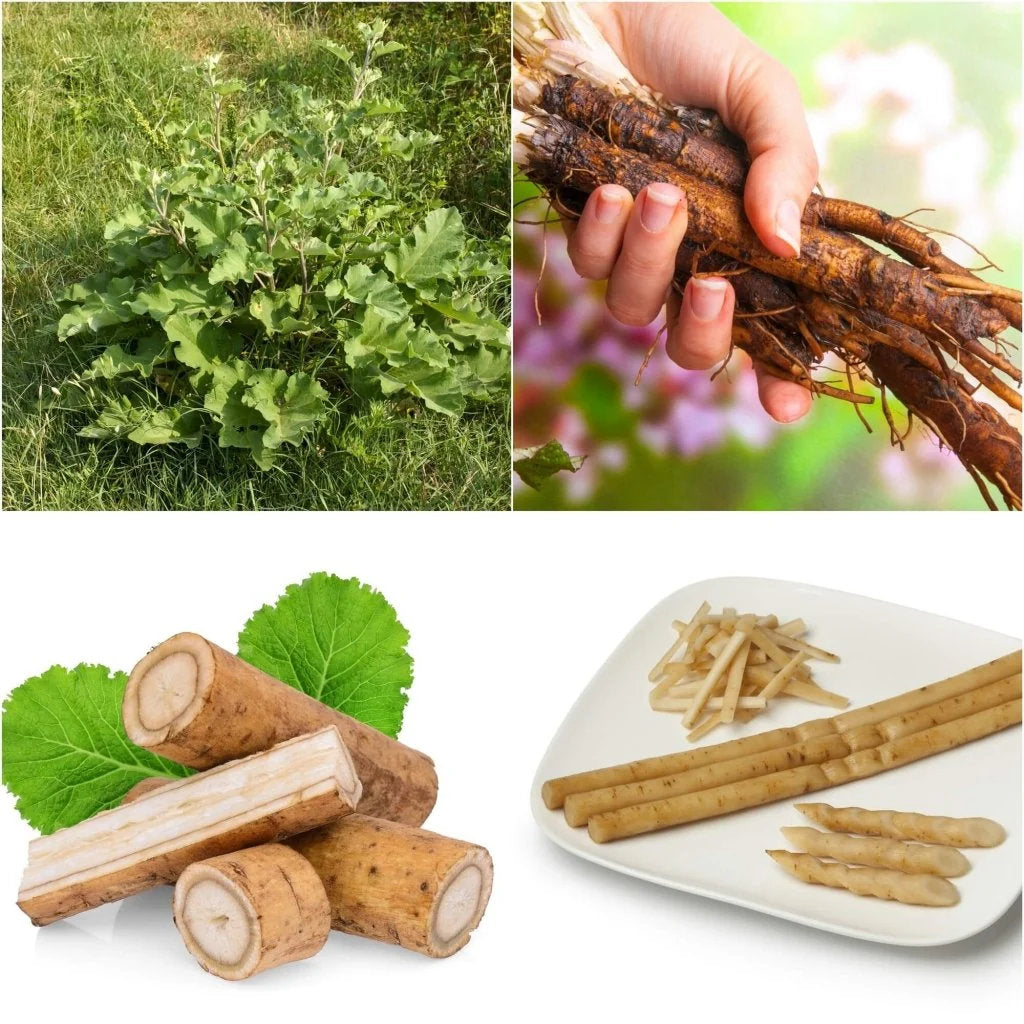
Root Vegetable: Burdock is grown for its long, slender edible taproot.
-
Plant Characteristics: Produces broad, green leaves and sturdy growth in suitable conditions.
-
Root Color: Roots typically have brown skin and pale, creamy flesh.
-
Garden Uses: Suitable for vegetable gardens and homegrown root crop collections.
-
Distinctive Variety: Known for its traditional use in Asian and other regional cuisines.
Growing Benefits
-
Grow a traditional root vegetable for home cooking and fresh meals.
-
Enjoy harvesting long roots when grown in deep, loose soil.
-
Add an interesting crop to a diverse vegetable garden.
-
Explore recipes featuring burdock root in soups, stir-fries, and stews.
-
Experience the satisfaction of growing a distinctive edible root from seed.
Seed Specifications
-
Common Name: Burdock, Greater Burdock, Edible Burdock
-
Botanical Name: Arctium lappa
-
Plant Type: Biennial herbaceous plant, commonly cultivated as an annual root crop
-
Colors: Green foliage, brown root skin, creamy-white root flesh
-
Height: Can reach around four to six feet when mature, particularly when flowering.
-
Sunlight: Full sun to partial shade
-
Soil: Deep, loose, fertile, well-drained soil free of stones
-
Water: Regular moisture; avoid waterlogged soil
-
Germination Time: Usually around one to three weeks under favorable conditions
-
Sowing Depth: About half an inch deep
-
Spacing: Thin seedlings to approximately four to six inches apart; allow wider spacing between rows.
-
Growing Zones: Adaptable to many temperate climates; local growing conditions determine suitability.
-
Flowering/Maturity: Roots are commonly harvested during the first growing season, often around three to four months after sowing, depending on variety and conditions. Plants left to mature may flower in their second year.
-
Uses: Edible roots for cooking, vegetable gardens, and traditional culinary gardens.
Growing Tips
-
Choose deep, stone-free soil to encourage straight, well-shaped roots.
-
Sow seeds directly in the garden because burdock develops a long taproot.
-
Keep the soil evenly moist during germination and early growth.
-
Harvest roots while young and tender for easier digging and preparation.
Seed Storage
Keep burdock seeds in a cool, dry, dark location. Store them in a sealed, labeled container away from humidity, heat, and direct sunlight. Avoid storing seeds while they are damp.
Unique Facts About Burdock Seeds and Plants
-
Distinctive seed heads: Burdock produces round flower heads covered with hooked bracts that can cling to clothing and animal fur.
-
Natural inspiration: The hooked seed heads famously inspired the concept behind hook-and-loop fasteners such as Velcro.
-
Deep taproots: Burdock develops a substantial taproot, making loose, deep soil important for good root development.
-
Biennial growth: The plant generally develops foliage and roots during its first year and flowers during its second year if left unharvested.