



Overview
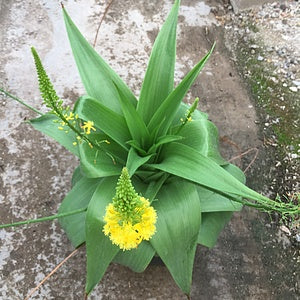
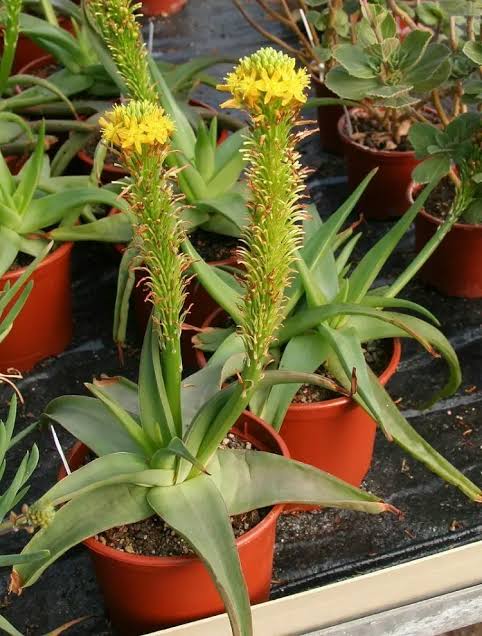
Bulbine Natalensis (Bulbine natalensis) is a distinctive succulent perennial native to South Africa. Also known as Broad-Leaved Bulbine, this attractive plant features fleshy, aloe-like green leaves and clusters of delicate, star-shaped yellow flowers. It is valued in traditional South African herbal practices and makes an interesting addition to succulent gardens, rock gardens, and botanical collections. Its drought-tolerant nature and unusual appearance make it an appealing choice for gardeners interested in growing distinctive medicinal herb plants.
Key Features
-
Distinctive Variety: South African succulent perennial with an aloe-like appearance.
-
Attractive Flowers: Produces clusters of small, bright yellow, star-shaped flowers.
-
Fleshy Foliage: Features broad, green, succulent leaves arranged in attractive rosettes.
-
Garden Versatility: Suitable for rock gardens, succulent collections, and dry-climate landscapes.
-
Traditional Heritage: Has a history of traditional use in South African herbal practices.
Growing Benefits
-
Enjoy growing a distinctive South African succulent in your garden.
-
Add attractive yellow blooms to rock and succulent gardens.
-
Explore an interesting plant with traditional botanical significance.
-
Create beautiful landscapes with drought-tolerant perennial foliage.
-
Develop your gardening skills with an unusual succulent species.
Seed Specifications
-
Botanical Identity: Common Name – Broad-Leaved Bulbine, Natalensis; Botanical Name – Bulbine natalensis; Family – Asphodelaceae; Plant Type – Succulent perennial herb.
-
Appearance: Colors – Green to yellow-green foliage with yellow flowers; Height – Rosettes approximately 20 cm tall, with taller flowering stalks.
-
Growing Conditions: Sunlight – Full sun to partial shade; Soil – Sandy, rocky, well-draining soil; Water – Moderate during establishment, reduced once established.
-
Planting Details: Germination Time – Variable; allow several weeks under suitable conditions; Sowing Depth – Surface sow or lightly cover; Spacing – Allow enough room for mature rosette growth.
-
Climate and Uses: Growing Zones – Best suited to warm, frost-free climates; Flowering – Mainly spring, with timing influenced by growing conditions; Uses – Ornamental succulent gardening, botanical collections, and traditional ethnobotanical interest.
Growing Tips
-
Choose a warm location with plenty of natural sunlight.
-
Use sandy, well-draining soil to prevent waterlogging.
-
Avoid excessive watering, especially during cooler weather.
-
Protect young seedlings and established plants from frost.
Seed Storage
Store Bulbine Natalensis seeds in a cool, dry, and dark location. Keep them inside an airtight container or sealed seed packet to protect against moisture and humidity. Avoid direct sunlight and excessive heat. Label the container with the plant name and storage date for convenient identification.
Unique Facts About Bulbine Natalensis
-
South African Origin: This distinctive succulent is native to parts of South Africa and is associated with traditional local plant knowledge.
-
Aloe-Like Appearance: Its fleshy, pointed leaves resemble those of aloe plants, although it belongs to a different genus.
-
Yellow Floral Display: Its small, star-shaped yellow flowers grow in dense clusters along tall flowering stalks.
-
Traditional Botanical Heritage: Different plant parts have been used in traditional practices, although medicinal effectiveness and safety are not established by sufficient clinical evidence.