


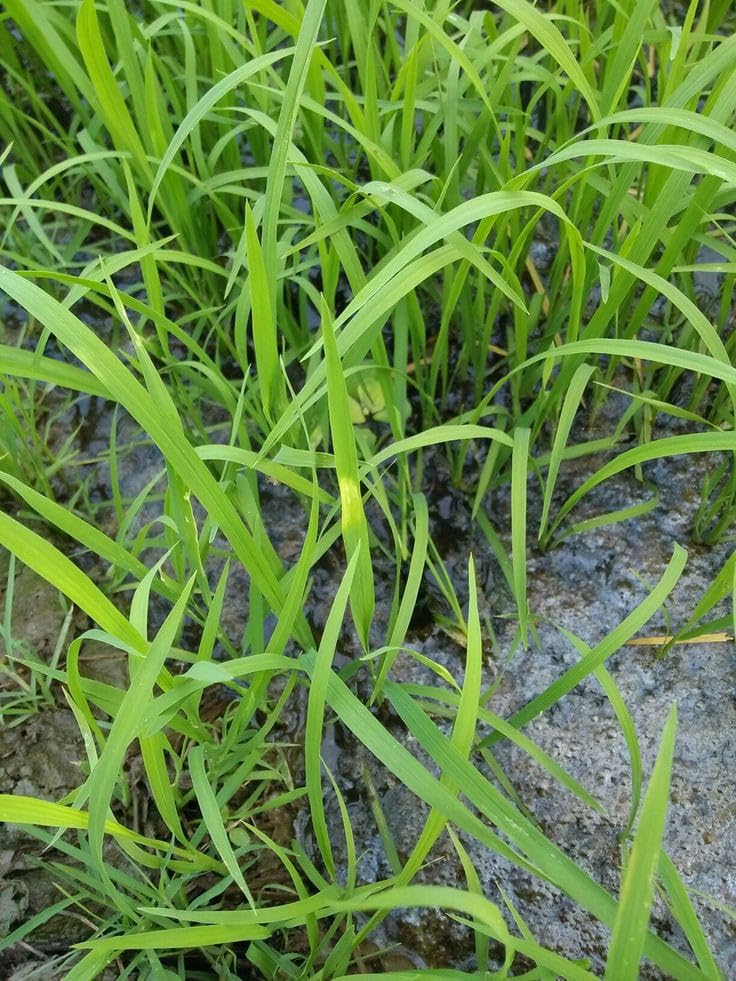
Key Features
- Warm-Season Grass: Buffalo Grass is a native North American perennial grass that thrives during warm weather.
- Fine Blue-Green Foliage: Forms attractive turf with soft, fine-textured blades and a naturally understated appearance.
- Lawn & Landscape Use: Suitable for lawns, open spaces, native landscapes, meadows, and low-maintenance areas.
- Drought Adapted: Once established, Buffalo Grass can tolerate dry conditions and periods of limited rainfall.
- Low-Growing Habit: Naturally forms a relatively short turf, making it useful for lower-maintenance lawn settings.
Growing Benefits
- Helps create a natural-looking, attractive lawn and landscape.
- Well suited to warm climates and sunny growing locations.
- Can reduce watering needs after the grass becomes established.
- Its perennial growth habit allows it to return season after season.
- A useful choice for native and water-conscious landscape designs.
Seed Specifications
- Common Name: Buffalo Grass
- Botanical Name: Bouteloua dactyloides
- Plant Type: Warm-season perennial grass
- Colors: Blue-green to green foliage
- Height: Generally low-growing, commonly around four to twelve inches when maintained as turf
- Sunlight: Full sun
- Soil: Well-drained soil; performs particularly well in moderately fertile soils
- Water: Moderate during establishment; low to moderate once established
- Germination Time: Approximately two to four weeks under suitable conditions
- Sowing Depth: Very shallow, approximately one-eighth to one-quarter inch
- Spacing: Sow evenly for lawn establishment; spacing varies according to the intended planting method
- Growing Zones: Generally suited to USDA Zones four through nine
- Flowering/Maturity: Warm-season growth begins as temperatures rise; mature turf develops during the growing season
- Uses: Lawns, native landscapes, meadows, erosion-prone areas, and low-maintenance ground cover
Growing Tips
- Choose a Sunny Location: Plant Buffalo Grass where it receives plenty of direct sunlight for strong, dense growth.
- Prepare the Soil: Remove weeds and debris, then loosen the upper soil surface before sowing.
- Keep Seeds Moist: Maintain consistent moisture during germination without keeping the soil saturated.
- Avoid Overwatering: Once plants are established, allow the soil to dry somewhat between watering sessions.
Seed Storage
Store unused seeds in a cool, dry, dark location away from heat and moisture. Keep them in a tightly sealed, moisture-resistant container and label the container with the variety and storage date. Proper storage helps maintain seed quality.
Unique Facts About Seeds
- Buffalo Grass is native to the Great Plains and other parts of central North America.
- It is a warm-season grass, meaning its strongest growth occurs during warmer months.
- Buffalo Grass spreads naturally through underground stolons, helping it form a turf-like covering.
- The species is named Bouteloua dactyloides and is well adapted to regions with periodic drought.