


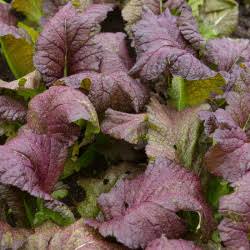
Key Features
- Produces attractive green leaves with a rich brown mustard flavor
- Fast-growing leafy vegetable suited to home gardens and containers
- Young leaves are tender, peppery, and ideal for fresh cooking
- Works well in vegetable beds, raised beds, and kitchen gardens
- Can be harvested as baby greens or allowed to mature further
Growing Benefits
- Adds flavorful leafy greens to your home vegetable garden
- Easy-to-grow choice for gardeners with limited experience
- Suitable for containers, raised beds, and garden plots
- Provides multiple harvest opportunities when leaves are picked regularly
- Adds variety and seasonal interest to edible garden spaces
Seed Specifications
- Common Name: Brown Mustard, Mustard Greens, Indian Mustard
- Botanical Name: Brassica juncea
- Plant Type: Annual leafy vegetable
- Colors: Green leaves with mustard-colored to brown seeds
- Height: Typically grows around one to two feet tall
- Sunlight: Full sun to partial shade
- Soil: Fertile, well-drained soil rich in organic matter
- Water: Keep soil consistently moist without waterlogging
- Germination Time: Usually about four to ten days
- Sowing Depth: About one-quarter inch deep
- Spacing: Thin seedlings to several inches apart for leafy harvests
- Growing Zones: Generally suitable across USDA Zones two through eleven, depending on season
- Flowering/Maturity: Baby leaves can be harvested early; mature greens generally develop within several weeks
- Uses: Fresh salads, cooked greens, stir-fries, soups, pickling, and seasoning
Growing Tips
- Sow seeds directly into prepared soil for the best results.
- Keep the seedbed evenly moist while seeds are germinating.
- Provide morning sun or full sun with some afternoon shade in hot weather.
- Harvest outer leaves regularly to encourage continued leaf production.
Seed Storage
Store unused Brown Mustard seeds in a cool, dry, dark place. Keep them in an airtight container away from moisture, heat, and direct sunlight. Avoid storing seeds in humid areas to help maintain their planting quality.
Unique Facts About Seeds
- Brown mustard belongs to the Brassica family, which includes cabbage, kale, and broccoli.
- The plant is valued for its peppery leaves and flavorful mustard seeds.
- Young mustard leaves generally have a milder flavor than mature leaves.
- Mustard greens are commonly enjoyed both raw and cooked in many cuisines.