Skip to product information
1 of 3

EdenValleySeeds

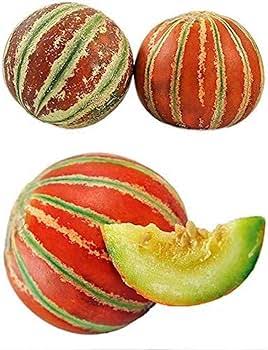
Brown Dew Melon Fruit Seeds for Planting – Heirloom Non-GMO Garden Seeds

Brown Dew Melon Fruit Seeds for Planting – Heirloom Non-GMO Garden Seeds

No reviews yet
Regular price $18.89 USD
Regular price Sale price $18.89 USD
Sale Sold out
Size
Quantity
DELIVERY ESTIMATE
Oct 21 – Oct 23 Estimated arrival
ORDER Oct 11 Order placed
ORDER READY Oct 13 – Oct 14 2–3 business days
DELIVERED Oct 21 – Oct 23 10–12 business days total
Carefully packed and tracked from dispatch to delivery.
Secure checkout Carefully packed seeds Tracked delivery Quality-focused selection
View full details

Key Features

  • Unique melon variety for home gardens and backyard growing

  • Warm-season fruiting plant suited to sunny growing conditions

  • Attractive choice for gardeners exploring specialty melon varieties

  • Ideal for garden beds, raised beds, and spacious growing areas

  • A rewarding seed-to-harvest project for home gardeners

Growing Benefits

  • Adds an unusual melon variety to your seasonal garden

  • Enjoy the experience of growing fresh melons from seed

  • Creates an attractive and productive warm-season garden project

  • Great for gardeners interested in specialty fruit varieties

  • Suitable for home gardens where vines have room to spread

Seed Specifications

  • Seed Type: Brown Dew Melon fruit seeds

  • Plant Type: Warm-season melon vine

  • Fruit Type: Melon

  • Growing Habit: Spreading or trailing vine

  • Garden Use: Home gardens, raised beds, backyard plots, and suitable containers

Growing Tips

  • Choose a sunny growing location with plenty of direct sunlight.

  • Give the vines sufficient room to spread and develop.

  • Maintain consistent moisture while avoiding waterlogged soil.

  • Protect developing fruits from excessive moisture and physical damage.

Seed Storage

Store unused seeds in a cool, dry, and dark place. Keep the packet sealed and protected from humidity, heat, and direct sunlight. An airtight container can provide additional protection from moisture and help maintain seed quality during storage.

Unique Facts About Seeds

  • Melons belong to the cucumber family, Cucurbitaceae.

  • Most cultivated melons are warm-season plants that prefer warm soil.

  • Melon vines can spread considerably as they mature.

  • Separate male and female flowers occur on melon plants.

  • Pollinating insects can help melon flowers develop into fruit.

Growing Instructions

Planting Season: Sow after the danger of frost has passed and the soil has warmed. Melons grow best during warm weather.

Sowing: Sow seeds directly into prepared garden soil or start them indoors where the growing season is shorter. Transplant carefully to minimize root disturbance.

Planting Depth: Cover seeds with approximately half an inch of well-prepared soil.

Spacing: Provide generous spacing between plants because melon vines can spread across the garden. A suitable trellis may be used when appropriate.

Sunlight: Grow in full sun with abundant direct sunlight for vigorous vine growth and fruit development.

Soil: Use fertile, loose, well-draining soil with good organic matter. Avoid areas where water remains consistently saturated.

Watering: Keep soil evenly moist during germination, flowering, and fruit development. Water deeply when needed while avoiding excessive moisture.

Germination: Maintain warm soil and consistent moisture during germination. Timing can vary according to temperature, moisture, and growing conditions.

Transplanting: If started indoors, transplant established seedlings once outdoor conditions are consistently warm. Handle the roots gently during the process.

Fertilizing: Provide appropriate garden nutrition based on soil conditions. Balanced feeding can encourage healthy vines and productive growth.

Care: Keep weeds away from young plants and provide adequate airflow around foliage. Monitor vines and developing fruits throughout the growing season.

Fruit Development: Allow fruits to mature on the vine and watch for variety-specific signs of ripeness. Harvest when the fruit reaches its mature appearance and other appropriate maturity indicators.