


Key Features
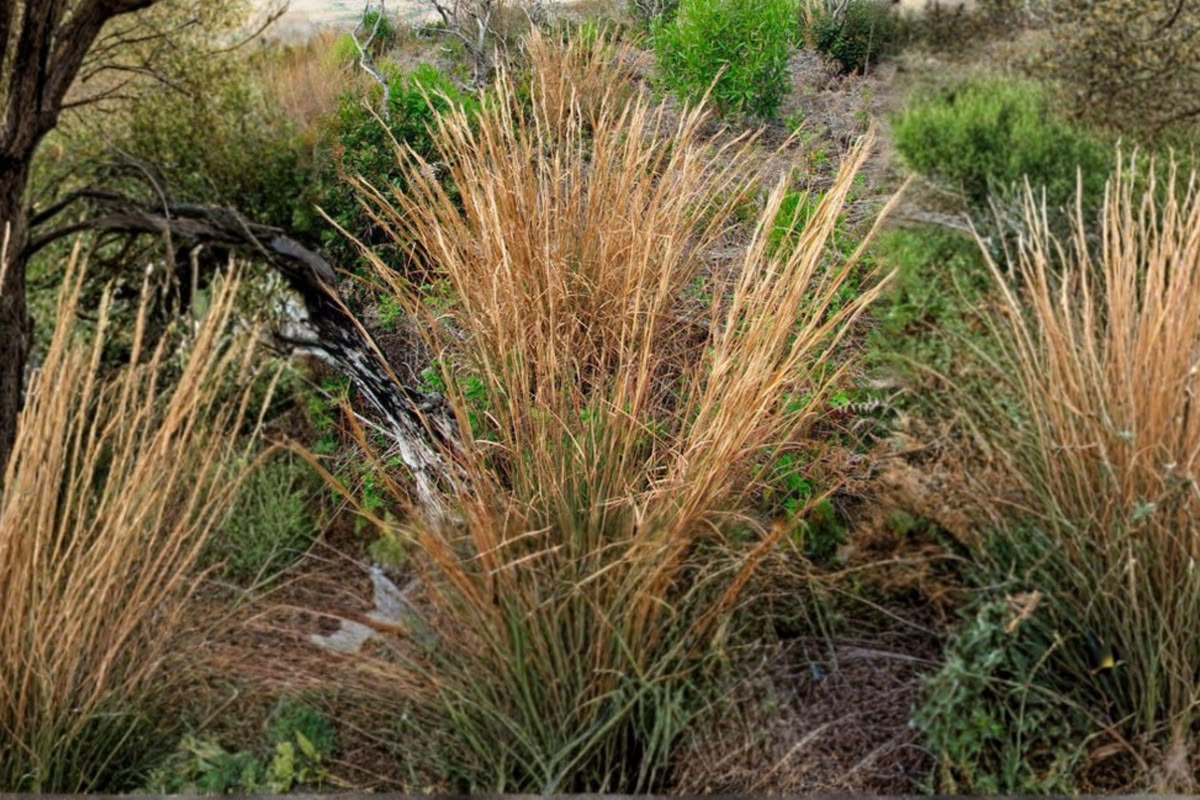
- Native Perennial Grass: Broomsedge (Andropogon virginicus) is a warm-season bunchgrass with an upright, clumping growth habit.
- Natural Seasonal Color: Green foliage develops attractive orange, red-purple, and bronze tones as the season progresses.
- Distinctive Seed Heads: Fine grass stems produce airy inflorescences that add texture and visual interest to naturalistic landscapes.
- Versatile Garden Use: Suitable for native gardens, meadows, wildlife areas, naturalized plantings, borders, and mass plantings.
- Tough Growing Nature: Performs well in full sun and can tolerate poor, dry soils once established.
Growing Benefits
- Adds height, texture, and seasonal interest to natural-style landscapes.
- A useful choice for gardens designed around native and low-input plantings.
- Tolerates drought and relatively poor soil conditions once established.
- Provides habitat and food resources used by some birds, butterflies, and other wildlife.
- Offers attractive fall and winter structure when many other plants have finished blooming.
Seed Specifications
- Common Name: Broomsedge, Broomstraw, Broomsedge Bluestem, Virginia Beard Grass | Botanical Name: Andropogon virginicus
- Plant Type: Warm-season perennial bunchgrass | Colors: Green foliage with orange, reddish-purple, bronze, and silvery seed-head tones | Height: Approximately two to four feet
- Sunlight: Full sun is preferred, with some tolerance for partial sun | Soil: Performs well in dry, poor, sandy, or well-drained soils | Water: Low to moderate once established; avoid persistently waterlogged conditions
- Germination Time: Variable, generally taking several days to several weeks depending on seed treatment and growing conditions | Sowing Depth: About one-quarter inch | Spacing: Allow approximately one to three feet between established plants
- Growing Zones: USDA Zones three through nine | Flowering/Maturity: Flowering and seed-head development occur primarily from late summer into fall; plants may take several growing seasons to become well established | Uses: Native gardens, meadows, naturalized areas, wildlife plantings, borders, mass plantings, and erosion-prone landscapes
Growing Tips
- Choose an open planting site with plenty of direct sunlight and good drainage.
- Prepare a clean, lightly worked seedbed so the small seeds have good contact with the soil.
- Sow seeds shallowly and avoid covering them with a thick layer of soil.
- Keep newly sown areas evenly moist until seedlings become established, then gradually reduce watering.
Seed Storage
Store unused seeds in a cool, dry, dark location. Keep them in a sealed, moisture-resistant container away from heat, humidity, and direct sunlight. Label the container with the seed name and storage date for easy reference.
Unique Facts About Seeds
- Broomsedge is actually a grass, despite the common name containing the word “sedge.”
- The species is a warm-season perennial that naturally occurs in fields, meadows, disturbed areas, and open woodlands.
- Its scientific name, Andropogon virginicus, reflects its historical association with Virginia.
- Broomsedge produces very small seeds that can be dispersed by wind and readily establish on exposed soil.