Skip to product information
1 of 2

EdenValleySeeds

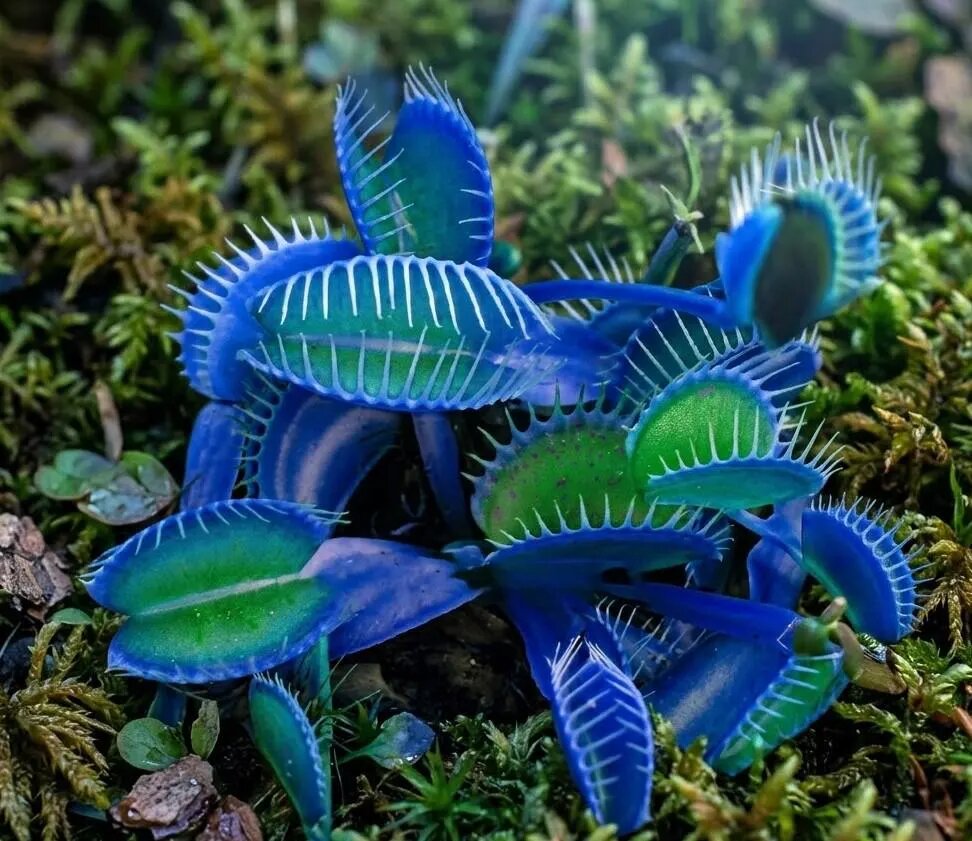
Blue Green Venus Fly Trap Seeds for Planting – Dionaea Muscipula Carnivorous Plant

Blue Green Venus Fly Trap Seeds for Planting – Dionaea Muscipula Carnivorous Plant

No reviews yet
Regular price $18.89 USD
Regular price Sale price $18.89 USD
Sale Sold out
Size
Quantity
DELIVERY ESTIMATE
Oct 21 – Oct 23 Estimated arrival
ORDER Oct 11 Order placed
ORDER READY Oct 13 – Oct 14 2–3 business days
DELIVERED Oct 21 – Oct 23 10–12 business days total
Carefully packed and tracked from dispatch to delivery.
Secure checkout Carefully packed seeds Tracked delivery Quality-focused selection
View full details

Key Features

  • Produces fascinating Venus flytrap plants with distinctive green foliage and traps.
  • Compact carnivorous plant ideal for sunny windowsills, patios, and specialized bog gardens.
  • Naturally captures small insects using hinged traps triggered by touch.
  • Requires mineral-free water and an acidic, nutrient-poor growing medium.
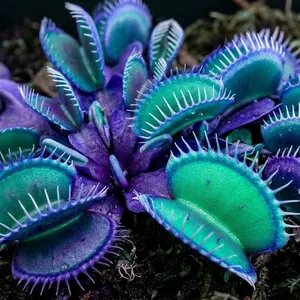
  • The blue-green color name describes the marketed appearance; seed-grown plants can vary naturally.

Growing Benefits

  • Adds an unusual and fascinating carnivorous plant to your collection.
  • Offers an engaging growing experience for beginners and plant enthusiasts.
  • Creates an eye-catching feature for windowsills, patios, and indoor gardens.
  • Helps gardeners explore the unique world of insect-eating plants.
  • Can be grown from seed for a rewarding long-term gardening project.

Seed Specifications

Common Name: Venus Flytrap, Blue Green Venus Fly Trap
Botanical Name: Dionaea muscipula
Plant Type: Perennial carnivorous bog plant
Colors: Green to blue-green foliage and traps; trap coloration may vary
Height: Typically about four to six inches when mature
Sunlight: Full sun or very bright direct light
Soil: Acidic, nutrient-poor, fertilizer-free peat-based or sphagnum-based medium with suitable drainage
Water: Distilled, rainwater, or reverse-osmosis water; keep growing medium consistently moist
Germination Time: Often around two to four weeks under suitable conditions, though timing can vary
Sowing Depth: Surface sow; do not bury the seeds
Spacing: Sow sparsely on the growing medium and allow seedlings room to develop
Growing Zones: Generally suited to USDA Zones six through ten with appropriate winter dormancy
Flowering/Maturity: Mature plants flower in spring; seed-grown plants can require several years to reach flowering size
Uses: Carnivorous plant collections, windowsills, patios, educational gardening, bog gardens, and specialty plant displays

Growing Tips

  • Use only distilled, rainwater, or reverse-osmosis water because mineral-rich tap water can damage Venus flytraps.
  • Keep seeds on the surface of a moist, fertilizer-free growing medium rather than covering them.
  • Provide bright light while maintaining high humidity and good airflow around young seedlings.
  • Avoid feeding or fertilizing young seedlings; allow them to develop naturally and catch suitable prey as they mature.

Seed Storage

Store unused seeds in a cool, dry, dark place inside a sealed container or original packet. Protect them from heat, moisture, and direct sunlight. For best viability, avoid prolonged exposure to warm or humid conditions and sow fresh seed when possible.

Unique Facts About Seeds

  • Venus flytrap seeds are tiny and should be surface-sown because they need light and moisture for successful germination.
  • Dionaea muscipula is naturally native to a small region of coastal North and South Carolina.
  • Venus flytraps are warm-temperate plants that naturally experience a winter dormancy period.
  • The traps are modified leaves that close when appropriate prey stimulates sensitive trigger hairs.

Growing Instructions

Planting Season: Sow from late winter through early summer when suitable growing conditions are available. Venus flytrap seeds generally do not require traditional cold stratification.

Sowing: Prepare a clean, acidic, nutrient-poor medium such as fertilizer-free peat-based material or suitable sphagnum. Moisten the medium thoroughly with distilled, rainwater, or reverse-osmosis water. Sprinkle the seeds gently over the surface.

Depth & Spacing: Do not bury the seeds. Venus flytrap seeds should remain on the surface of the growing medium. Sow sparsely so emerging seedlings have adequate room to develop.

Sunlight: Provide bright light during germination. Once seedlings are established, gradually introduce them to stronger direct sunlight. Mature Venus flytraps perform best with abundant direct light.

Soil: Use an acidic, nutrient-poor, fertilizer-free medium. A peat-based medium combined with an appropriate inert material can provide suitable growing conditions. Avoid ordinary potting soil and compost because they can contain excessive nutrients and minerals.

Watering: Keep the growing medium consistently moist. Use only distilled, rainwater, or reverse-osmosis water because Venus flytraps are sensitive to minerals and salts in ordinary water.

Germination: Maintain high humidity and consistently moist growing conditions. Germination commonly occurs within several weeks, although the timing can vary with seed freshness and growing conditions. A transparent humidity cover can help, but provide ventilation to reduce fungal problems.

Transplanting: Avoid disturbing very young seedlings. Once seedlings are well established and have developed stronger roots and several true traps, transplant carefully into an appropriate carnivorous-plant medium.

Fertilizing: Do not use conventional fertilizer or nutrient-rich soil. Venus flytraps obtain nutrients naturally from captured prey, while their roots are adapted to nutrient-poor bog conditions.

Care: Maintain moisture, strong light, mineral-free water, and good airflow. Avoid repeatedly triggering the traps for entertainment, as unnecessary trap closure can stress the plant.

Flowering & Maturity: Established Venus flytraps can produce flower stalks in spring. Plants grown from seed develop gradually and may take several years to reach flowering maturity. Mature plants naturally enter winter dormancy as temperatures and daylight decrease.