


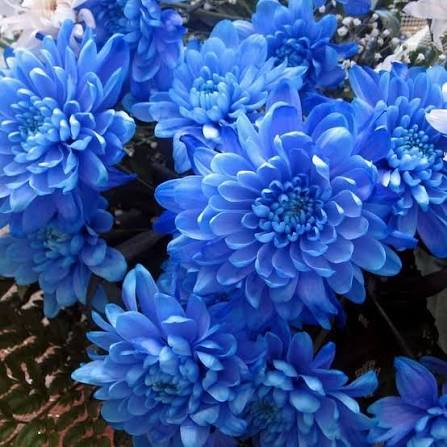
Grow beautiful chrysanthemum plants from seed and enjoy an elegant garden display with distinctive cool-toned blooms. A charming choice for flower beds, borders, containers, cottage gardens, and seasonal landscapes.
Key Features
- Produces attractive chrysanthemum flowers with a distinctive blue-toned appearance.
- Heirloom, non-GMO seed choice for home flower gardens.
- Ideal for borders, flower beds, containers, cottage gardens, and cutting gardens.
- Bushy foliage creates a full and attractive garden presence.
- Performs best in sunny locations with fertile, well-drained soil.
Growing Benefits
- Adds unique color interest to seasonal flower displays.
- Creates attractive blooms for garden borders and containers.
- Provides flowers that can brighten cottage-style landscapes.
- Suitable for gardeners who enjoy growing flowers from seed.
- Adds versatility to home cutting and ornamental gardens.
Seed Specifications
- Common Name: Chrysanthemum, Garden Mum
- Botanical Name: Chrysanthemum × morifolium or related cultivated Chrysanthemum
- Plant Type: Herbaceous perennial, commonly grown as an annual
- Flower Color: Blue-toned; exact color may vary by seed line
- Flower Shape: Daisy-like to densely petaled, depending on variety
- Foliage: Green, deeply lobed leaves
- Growth Habit: Upright, branching, and bushy
- Height: Approximately one to three feet, depending on variety
- Sunlight: Full sun
- Soil: Fertile, well-drained soil rich in organic matter
- Water: Moderate; maintain consistent moisture without waterlogging
- Germination Time: Approximately seven to twenty-one days under favorable conditions
- Sowing Depth: Surface sow or cover very lightly
- Spacing: Approximately twelve to eighteen inches
- Growing Zones: Generally USDA Zones five through nine, depending on variety
- Flowering/Maturity: Usually flowers in late summer or fall when grown under suitable conditions
- Uses: Flower beds, borders, containers, cottage gardens, cutting gardens, and ornamental landscapes
Growing Tips
Simple steps for stronger plants and beautiful seasonal blooms.
- Start seeds indoors before the outdoor growing season for an earlier start.
- Provide bright light and keep seedlings evenly moist during establishment.
- Transplant young plants after frost danger has passed.
- Pinch growing tips when appropriate to encourage a fuller, branching habit.
Seed Storage
Store unused seeds in a cool, dry, dark location. Keep them sealed in their original packet or an airtight container away from moisture, heat, and direct sunlight.
Important Growing Note
Chrysanthemum seed-grown plants can vary in flower color, form, height, and other characteristics. Blue chrysanthemums are uncommon naturally, so the exact shade and appearance may differ depending on the seed line. For a specific named cultivar, vegetative propagation is generally more reliable than seed.
Unique Facts About Seeds
Little details that make chrysanthemums special in the garden.
- Chrysanthemums belong to the Asteraceae family, which also includes daisies and sunflowers.
- Their flower heads are actually made up of many tiny individual flowers.
- Chrysanthemums respond strongly to day length, which influences flowering in many cultivated varieties.
- The genus name Chrysanthemum comes from Greek words associated with gold and flower.