


Key Features
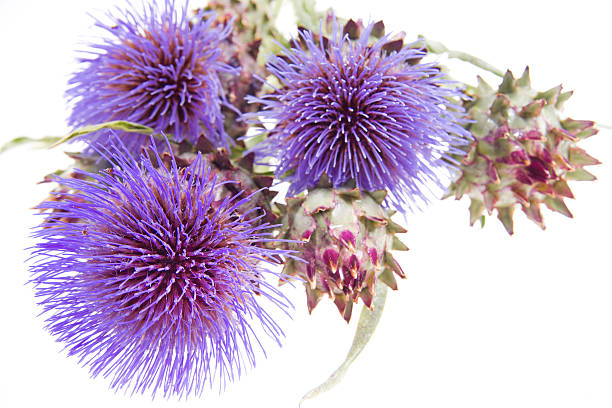
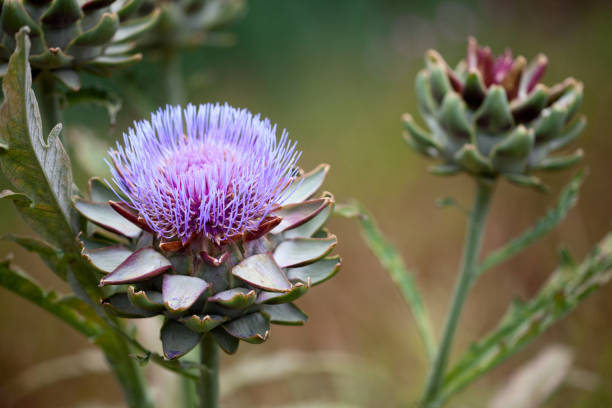
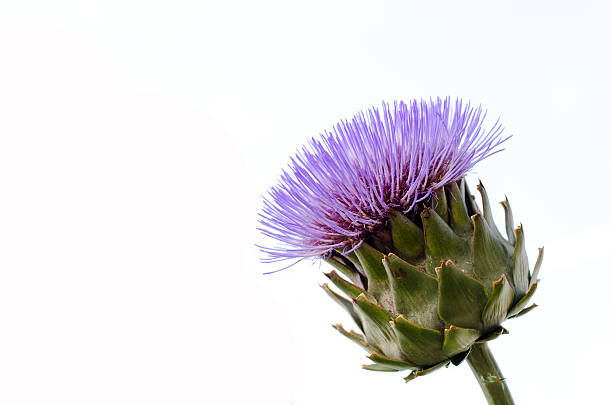
- Produces striking blue to violet, thistle-like flower heads on tall stems.
- Features dramatic silver-green, deeply lobed foliage with a bold architectural form.
- Perennial in mild climates and often grown as an annual in colder regions.
- Excellent for cottage gardens, flower borders, wildlife gardens, and cut flowers.
- Attractive seed heads and textured foliage provide lasting ornamental interest.
Growing Benefits
- Adds height, texture, and a distinctive architectural look to garden spaces.
- Provides beautiful blooms that work well in fresh or dried arrangements.
- Attracts pollinators and contributes visual interest to wildlife-friendly gardens.
- Performs well in sunny locations with fertile, well-drained soil.
- Offers ornamental appeal even before the tall flower stalks appear.
Seed Specifications
Common Name: Blue Cardoon, Cardoon, Artichoke Thistle
Botanical Name: Cynara cardunculus
Plant Type: Herbaceous perennial, often grown as an annual in colder climates
Colors: Blue to violet flowers; silver-green foliage
Height: About four to eight feet, depending on growing conditions and form
Sunlight: Full sun
Soil: Fertile, well-drained soil with good moisture retention
Water: Moderate; keep evenly moist while establishing, then avoid prolonged waterlogging
Germination Time: About two to three weeks under suitable conditions
Sowing Depth: About one-quarter to one-half inch deep
Spacing: About three to four feet between plants
Growing Zones: Generally suited to USDA Zones seven through ten; colder areas may grow it as an annual
Flowering/Maturity: Flowers generally develop from summer into autumn; mature size can take more than one growing season
Uses: Ornamental gardens, cottage gardens, borders, cut flowers, dried arrangements, and pollinator gardens
Growing Tips
- Start seeds indoors several weeks before the last expected frost for a head start.
- Choose a spacious location because mature plants can become large and spreading.
- Handle seedlings carefully when transplanting because cardoon develops a substantial root system.
- Provide shelter from strong winds to protect tall flowering stems and large foliage.
Seed Storage
Store unused Blue Cardoon seeds in a cool, dry, dark location. Keep them in a tightly sealed, moisture-resistant container away from humidity, heat, and direct sunlight. Allow seeds to return to room temperature before opening a refrigerated container to help prevent condensation.
Unique Facts About Seeds
- Blue Cardoon belongs to the daisy family, Asteraceae, and is closely related to the globe artichoke.
- Cardoon is native to the Mediterranean region and has been cultivated for centuries.
- Its flower heads are thistle-like and can develop on tall, branching stems.
- The seeds develop a feathery pappus that helps them disperse naturally by wind.