


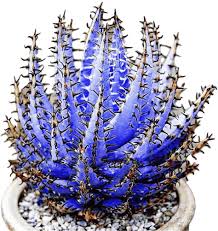
Grow Blue Aloe Vera from heirloom non-GMO seeds for attractive succulent rosettes with fleshy blue-green foliage. Ideal for containers, succulent gardens, patios, sunny windows, rock gardens, and warm-climate landscapes.
Key Features
-
Produces fleshy blue-green to gray-green leaves in rosette form.
-
Heirloom, non-GMO seed choice for succulent garden enthusiasts.
-
Ideal for containers, patios, rock gardens, and sunny spaces.
-
Performs best in bright light and sharply drained soil.
-
Adds sculptural texture and year-round greenery to suitable displays.
-
Well suited to indoor containers in cooler climates.
Growing Benefits
-
Adds cool blue-green tones to succulent garden collections.
-
Creates an attractive focal point in containers and patios.
-
Works well in sunny windows and protected outdoor spaces.
-
Offers a rewarding project for gardeners growing Aloe from seed.
-
Provides long-lasting ornamental interest as rosettes mature.
Seed Specifications
-
Common Name: Blue Aloe Vera
-
Botanical Name: Aloe spp.; exact species or cultivar should be confirmed
-
Plant Type: Perennial succulent
-
Family: Asphodelaceae
-
Leaf Color: Blue-green to gray-green, depending on the specific plant
-
Flower Color: Yellow, orange, pink, or red depending on species
-
Foliage: Fleshy, pointed leaves arranged in rosettes
-
Growth Habit: Rosette-forming, clumping, or stem-forming depending on species
-
Sunlight: Bright light to full sun
-
Soil: Gritty, sandy, sharply drained soil
-
Water: Low to moderate; allow soil to dry between established waterings
-
Germination Time: Approximately 2–6 weeks under favorable conditions
-
Sowing Depth: Surface sow or cover very lightly
-
Spacing: Approximately 8–18 inches depending on species
-
Growing Zones: Varies by species; many Aloe types prefer warm climates and are grown in containers in colder regions
-
Flowering/Maturity: Mature plants may produce tall flower spikes; seed-grown plants require patience before reaching flowering size
-
Uses: Succulent gardens, containers, patios, sunny windows, rock gardens, and warm-climate landscapes
Growing Tips
-
Use a clean, gritty growing medium with excellent drainage.
-
Sow seeds shallowly and avoid covering them deeply.
-
Provide bright light and gentle warmth during early seedling growth.
-
Water carefully to maintain light moisture without leaving the medium soggy.
Seed Storage
Store unused seeds in a cool, dry, dark location. Keep them sealed in their original packet or an airtight container away from moisture, heat, and direct sunlight. Fresh seed is generally preferable for successful germination.
Important Growing Note
“Blue Aloe Vera” is not a standardized botanical name. Aloe foliage can naturally range from green to blue-green or gray-green, and the exact appearance depends on species, cultivar, growing conditions, and light.
If the supplied seeds are specifically Aloe vera, the botanical name should be listed as Aloe vera. If they belong to another Aloe species or selection, use the exact botanical identification from the seed source.
Aloe is widely associated with traditional topical uses, but this listing is intended for garden-growing information only. Do not consume or prepare home-grown Aloe material without correct botanical identification and appropriate professional guidance.
Unique Facts
-
Aloe belongs to the Asphodelaceae family.
-
Aloe leaves are adapted to storing water in their fleshy tissues.
-
Some Aloe species naturally develop blue-green or gray-green foliage.
-
Mature Aloe plants can produce tall spikes of tubular flowers.
-
Seed-grown Aloe plants may vary in foliage color, shape, size, and flowering characteristics.