



Key Features
-
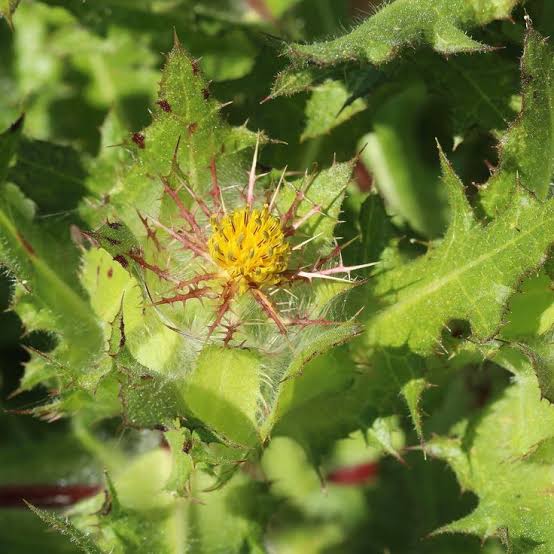
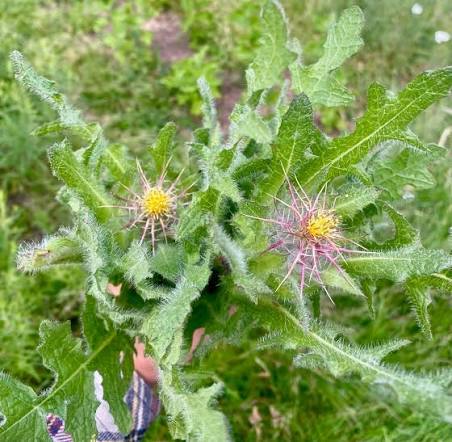
Golden Yellow Flower Heads: Produces distinctive yellow composite flower heads.
-
Spiny Green Foliage: Features deeply lobed leaves with prominent toothed, prickly margins.
-
Annual Flowering Habit: Completes its growth and flowering cycle within one growing season.
-
Branching Plant Structure: Develops hairy stems with a spreading to ascending growth habit.
-
Mediterranean Botanical Character: Adds unusual wildflower texture to ornamental collections.
Growing Benefits
-
Seasonal Yellow Color: Golden-yellow flower heads provide visual interest.
-
Distinctive Leaf Texture: Spiny, lobed foliage creates contrast with softer-leaved garden plants.
-
Botanical Collection Interest: Offers a recognizable example of a thistle-like annual in the daisy family.
-
Naturalistic Garden Appearance: Complements carefully managed wildflower-style plantings.
-
Seasonal Plant Diversity: Adds unusual flowering and foliage forms to ornamental garden displays.
Seed Specifications
-
Common Name: Blessed Thistle, St. Benedict's Thistle, Holy Thistle
-
Botanical Name: Centaurea benedicta
-
Synonym: Cnicus benedictus
-
Plant Family: Asteraceae
-
Plant Type: Ornamental Flowering Garden Herb
-
Plant Classification: Herbaceous Annual
-
Variety: Species Form; Cultivar Not Specified
-
Flower Color: Golden Yellow to Pale Yellow
-
Flower Shape: Thistle-Like Composite Flower Heads
-
Flower Arrangement: Usually Solitary Heads at Branch Tips
-
Foliage Color: Light to Medium Green
-
Leaf Shape: Oblong to Lanceolate, Irregularly Lobed
-
Leaf Margins: Spiny and Sharply Toothed
-
Leaf Texture: Hairy, With Prominent Veins
-
Stem Appearance: Branching, Hairy, Sometimes Reddish
-
Plant Height: Approximately 12–30 Inches
-
Plant Spread: Approximately 12–24 Inches; Variable
-
Growth Habit: Branching, Spreading to Ascending
-
Sunlight: Full Sun
-
Soil: Sandy, Loamy, Rocky, Well-Draining Soil
-
Soil pH: Adaptable; Exact Preference Not Established
-
Water Requirements: Low to Moderate After Establishment
-
Germination Time: Approximately 2–6 Weeks; Conditions Dependent
-
Germination Temperature: Approximately 50–68°F; Germination Response Varies
-
Seed Preparation: No Routine Cold Stratification Generally Required
-
Sowing Depth: Lightly Cover With Soil
-
Plant Spacing: Approximately 12–18 Inches
-
USDA Growing Zones: Seasonal Annual Cultivation Where Permitted
-
Planting Season: Spring or Early Autumn, Depending on Climate
-
Flowering Season: Late Spring Through Summer
-
Maturity: Completes Its Life Cycle Within One Growing Season
-
Native Region: Mediterranean Region and Western Asia
-
Uses: Controlled Botanical Collections and Ornamental Garden Displays Where Permitted
-
Seed Count Per Pack: Confirm Actual Quantity
-
Special Characteristics: Golden Yellow Flowers, Spiny Bracts, Hairy Stems, Lobed Leaves
Growing Tips
-
Check Local Regulations: Verify cultivation and seed-sale requirements before planting or distributing seeds.
-
Choose Full Sun: Where cultivation is permitted, provide a bright location with good airflow.
-
Maintain Drainage: Avoid persistently saturated soil.
-
Allow Growing Space: Keep plants away from narrow walkways because their foliage and flower bracts are spiny.
-
Wear Protective Gloves: Handle plants carefully when working around sharp leaf margins.
-
Prevent Unwanted Spread: Remove flower heads before mature seeds disperse into surrounding areas.
Seed Storage
-
Cool Storage: Keep seeds in a cool environment away from excessive heat.
-
Dry Conditions: Store thoroughly dried seeds in sealed, moisture-resistant containers.
-
Secure Packaging: Prevent accidental seed release during storage and handling.
-
Proper Labeling: Record the botanical name, seed lot, and collection date.
-
Regulatory Compliance: Do not distribute seeds into jurisdictions where their sale or movement is restricted.
Unique Facts About the Seeds
-
Mediterranean Origin: Blessed Thistle naturally occurs in Mediterranean and nearby western Asian habitats.
-
Distinct From Milk Thistle: Centaurea benedicta is different from Silybum marianum, which has large silver-marbled leaves and purple flower heads.
-
Spiny Flower Bracts: The yellow flower heads are surrounded by conspicuous spine-tipped bracts.
-
Annual Growth Cycle: Plants generally flower, produce seeds, and complete their life cycle within one growing season.
-
Botanical Naming History: The species is widely known as Cnicus benedictus, while Centaurea benedicta is used as its accepted name in current botanical references